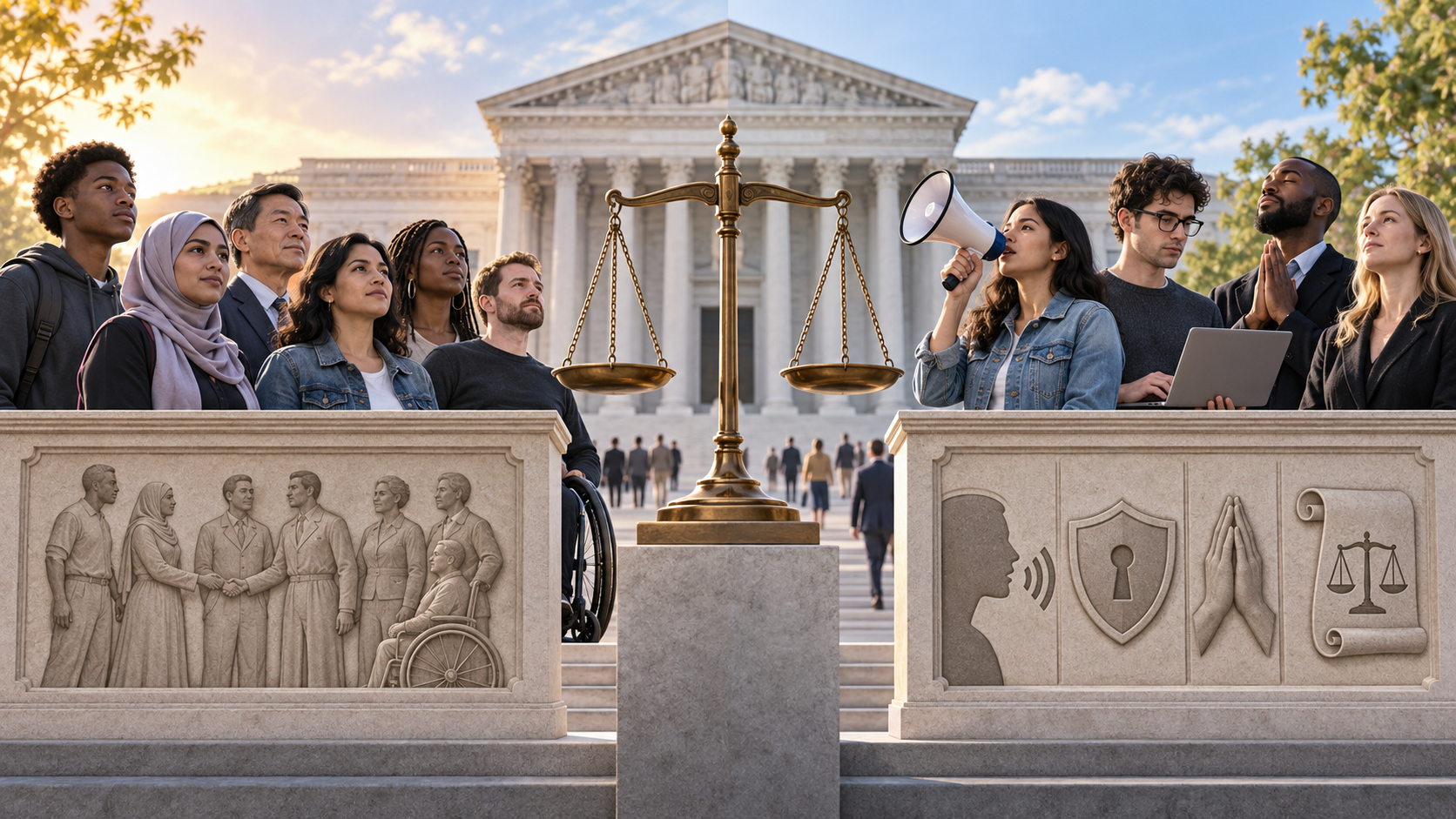
This beginner-friendly guide explains civil rights and liberties for readers who want to see how rights show up outside courtrooms. It keeps the focus on practical examples, core definitions, and the questions that make civic debates easier to understand.
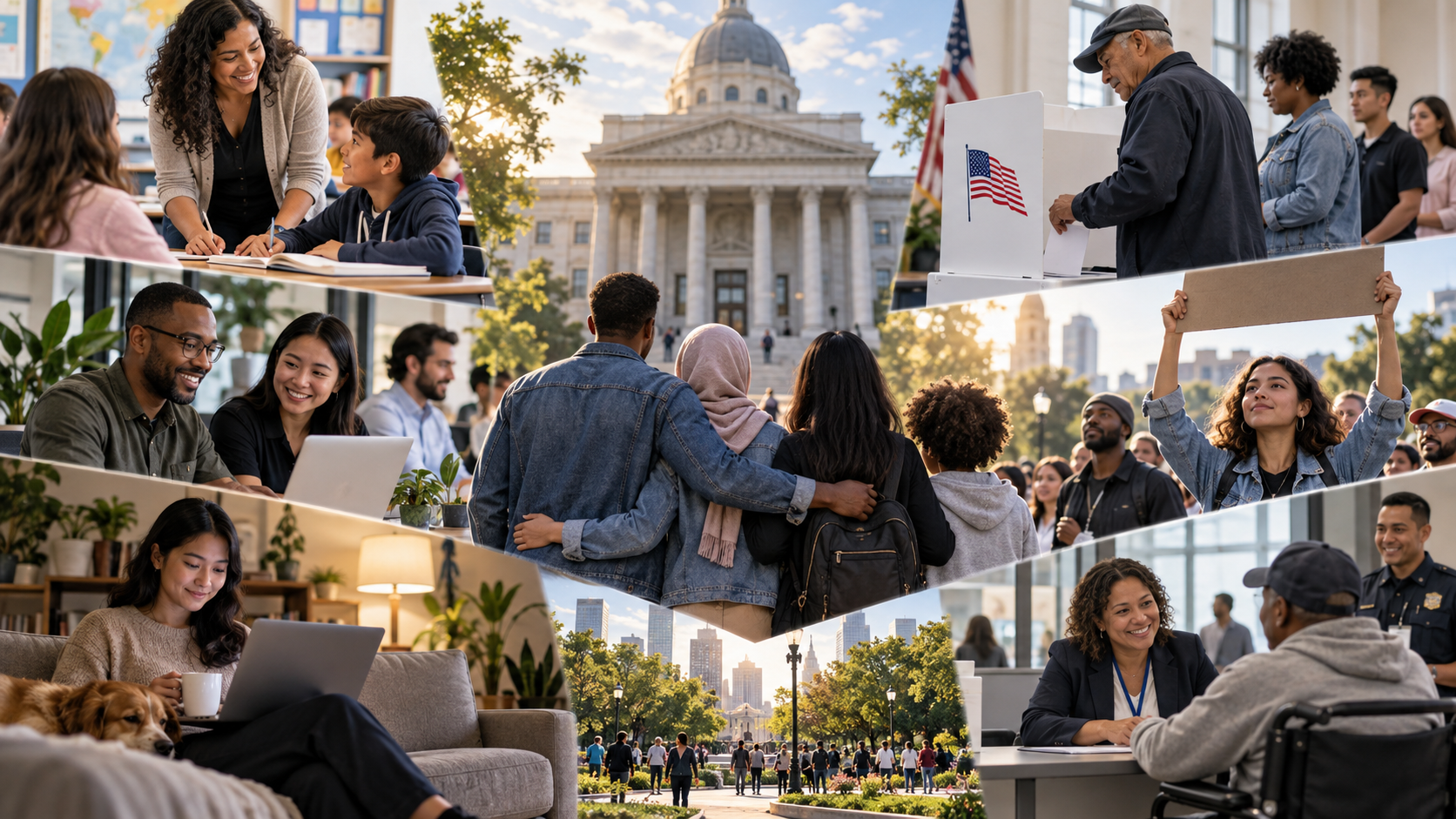
Civil rights and liberties matter in everyday life because they shape ordinary choices: where people can live, work, learn, worship, vote, speak, gather, receive public services, and challenge government decisions. They are not only courtroom concepts. They influence whether people are treated fairly at work, whether students receive equal access, whether police follow legal limits, whether voters can participate, and whether people can speak or believe without government punishment.
At school and work
Civil rights protections can affect hiring, discipline, accommodations, harassment policies, language access, disability access, and equal opportunity. Civil liberties can appear when students or workers raise questions about expression, privacy, religious practice, or fair procedures. These protections do not remove every rule. Schools and workplaces can still set standards. The point is that rules must be applied lawfully, fairly, and with respect for protected rights.
In voting and public participation
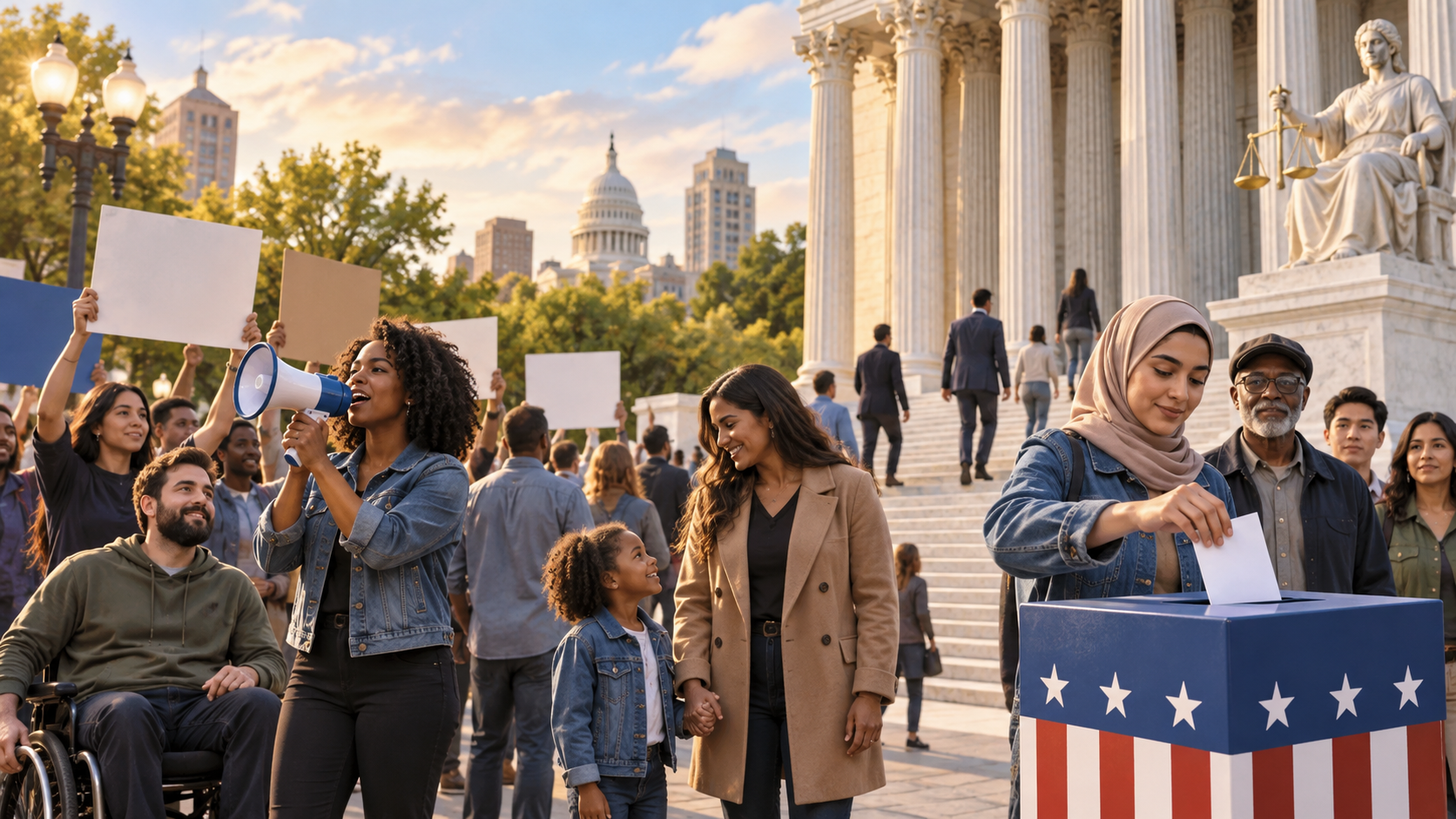
Voting access, district maps, registration rules, ballot procedures, protest rules, public meetings, and campaign activity all connect to rights and liberties. Civil rights help protect equal access to political participation. Civil liberties protect speech, association, petitioning government, and peaceful assembly. A democracy depends on both: people need the freedom to express views and the equal ability to participate in the process.
In policing and public services
Rights matter when someone is stopped, searched, detained, charged, fined, or denied a public benefit. Civil liberties require government to follow legal limits and fair procedures. Civil rights require public institutions to avoid discriminatory treatment. Public safety and rights are sometimes framed as opposites, but durable public safety depends on legitimacy, trust, accountability, and clear rules that apply to everyone.
In digital life and privacy
Modern life has made privacy and equal treatment questions more complex. Data collection, surveillance, automated decision systems, online speech rules, workplace monitoring, and digital access can all raise civil liberties or civil rights concerns. A housing algorithm, school discipline tool, or policing database can affect real people even when the decision looks technical. That is why rights conversations increasingly include technology.
Bottom line
The useful habit is to connect civil rights and liberties to real institutions and real choices. Once the terms are clear, it becomes easier to see which rights are involved, who has responsibility, and what a fair solution would need to protect.