
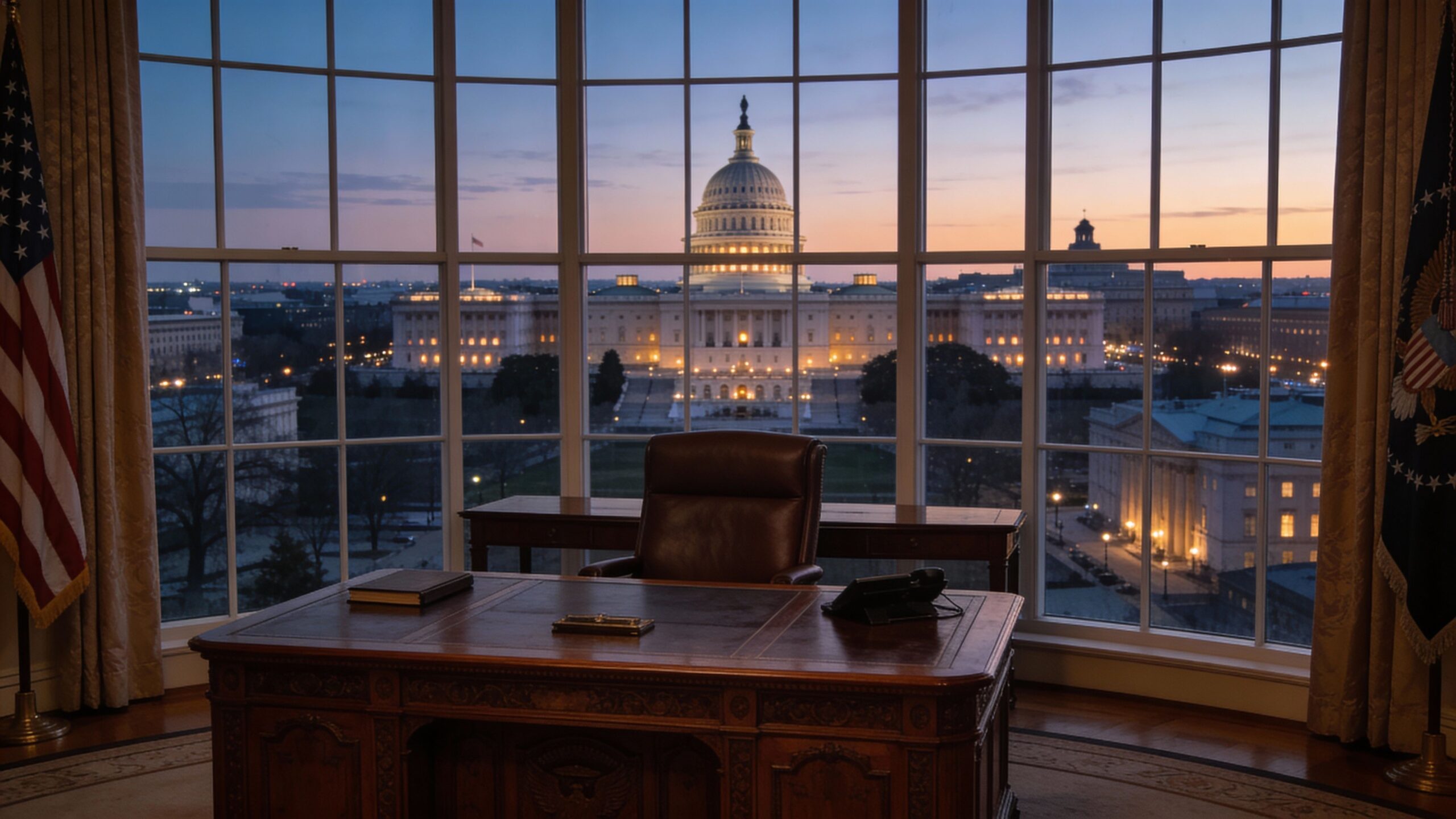
Presidents and prime ministers sit at the very center of modern power, shaping nations through moments of crisis, reform, ambition, and legacy. This section explores the leaders who guide countries from the executive seat, examining how their decisions ripple through history, society, and global affairs. From commanding wartime strategies and navigating economic upheaval to championing social change or consolidating authority, these figures operate under intense scrutiny and extraordinary pressure. Some rise as unifying voices in divided times, others become controversial symbols of their era, but all leave fingerprints on the political landscape. Here, you’ll find in-depth articles that go beyond titles and terms in office, diving into leadership styles, governing philosophies, personal backgrounds, and defining moments. We look at how presidents and prime ministers gain power, how they wield it, and how they are remembered once it fades. Whether you’re interested in democratic leadership, strong-executive systems, reformist agendas, or cautionary tales of power, this collection offers a clear, engaging window into the people steering nations at the highest level.
A: It depends on the system: a president may be ceremonial or executive; a prime minister usually leads the government day-to-day.
A: Typically the leader who can command a majority in parliament—often the head of the largest party or coalition.
A: Yes—via a vote of no confidence, party leadership change, or resignation (rules vary by country).
A: A parliamentary vote that can force the government to resign or trigger an election if it loses.
A: Not at all—many presidents are ceremonial, while PMs can be highly powerful in parliamentary systems.
A: A governing partnership formed by multiple parties to reach a working majority.
A: A directive from the executive that can act quickly, usually limited by courts, laws, and constitutional boundaries.
A: Leaders use reshuffles to manage internal politics, respond to events, or refresh public trust.
A: Often the executive leads, but budgets, oversight, and treaty ratification can require legislative support.
A: Follow budgets, passed laws, independent audits, court rulings, and credible reporting—then compare to stated promises.