
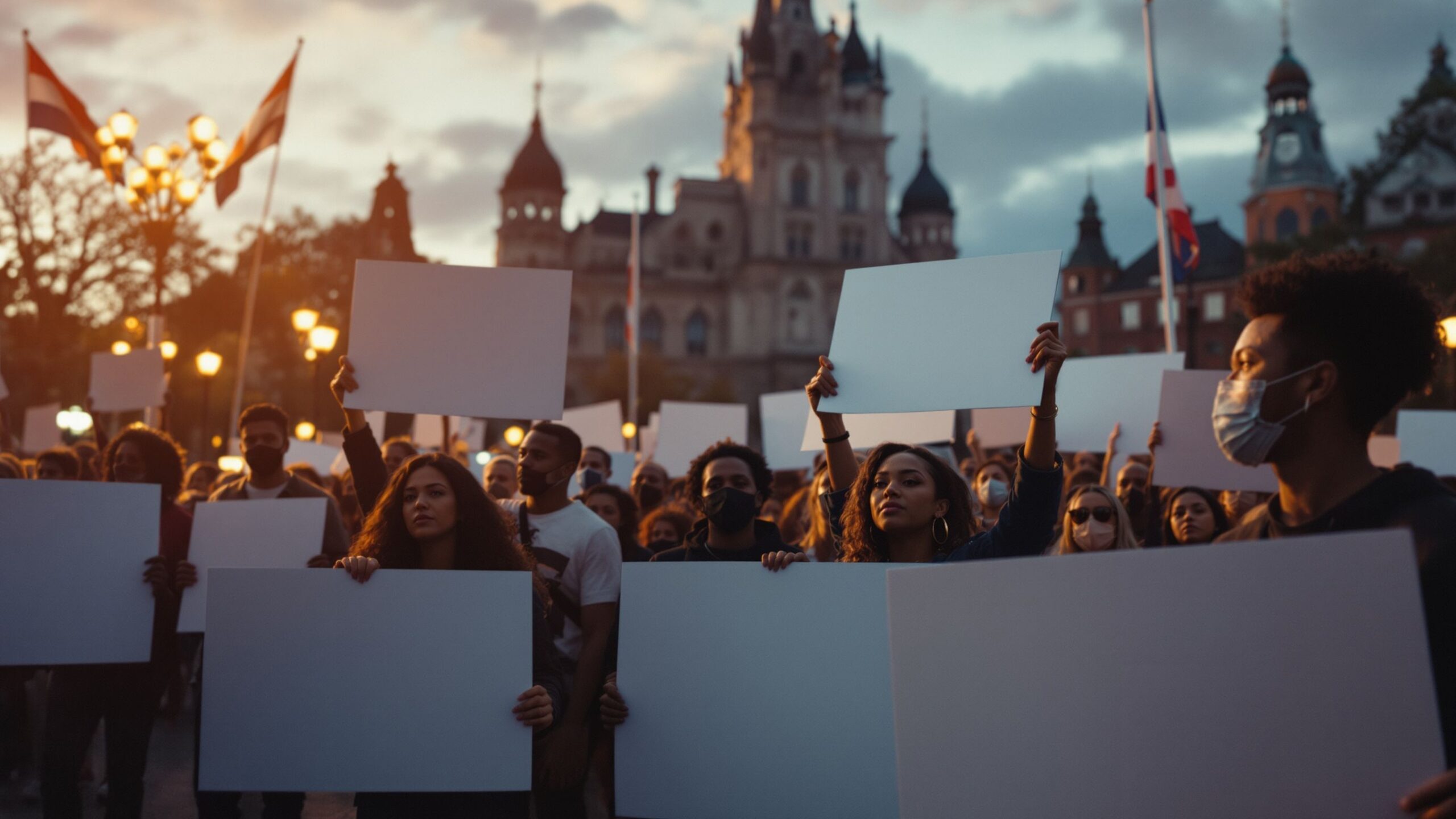
Civil Rights & Liberties is where the ideals of democracy meet the realities of everyday life. This space explores the ongoing struggle to define, defend, and expand the freedoms that shape societies—from free speech and equal protection to privacy, voting rights, and freedom of belief. These rights are not frozen in history; they evolve through landmark court cases, grassroots movements, legislative battles, and moments of public resistance that challenge the status quo. On Politics Street, this sub-category dives into the stories behind the laws, the people who fought to change them, and the debates that continue to test their limits. You’ll find clear explanations of foundational rights, deep looks at modern controversies, and historical context that reveals how past victories inform today’s challenges. Whether examining protests that reshaped nations, court decisions that redefined liberty, or emerging issues in the digital age, Civil Rights & Liberties invites readers to understand not just what these rights are, but why they matter. It’s a place to explore power, justice, and the ongoing pursuit of equality in a changing world.
A: Liberties limit government interference (speech, privacy); rights protect against unfair treatment (discrimination, voting access).
A: Usually constitutional claims require government action, but civil rights laws can restrict private discrimination in specific settings.
A: Many forms are, but certain narrow categories (like true threats) can be restricted; context matters a lot.
A: You may be required to identify yourself in some places and situations, but you generally have the right to remain silent.
A: Typically reasonableness; many searches require warrants/probable cause, but exceptions exist depending on circumstances.
A: Document events, report through internal channels, and consider filing with the relevant civil rights agency within deadlines.
A: Through rules that affect access, registration, ballot counting, or district maps—often litigated under state and federal law.
A: Schools have more authority than public streets, but policies can’t be arbitrary; off-campus and political speech can be contested.
A: Fair procedures and fair treatment when government decisions affect your freedom, property, or legal status.
A: If there’s immediate risk, looming deadlines, or complex facts—early advice can prevent losing options.
What Are Civil Rights and Civil Liberties? A Beginner’s Guide
Civil rights and civil liberties are two major ways the law protects people from unfair treatment and government overreach. Civil rights focus on equal.
Civil Rights vs Civil Liberties: What’s the Difference?
The simplest difference is this: civil rights are about equal treatment, while civil liberties are about individual freedoms. Civil rights ask whether.

Why Civil Rights and Liberties Matter in Everyday Life
Civil rights and liberties matter in everyday life because they shape ordinary choices: where people can live, work, learn, worship, vote, speak, gather,.