
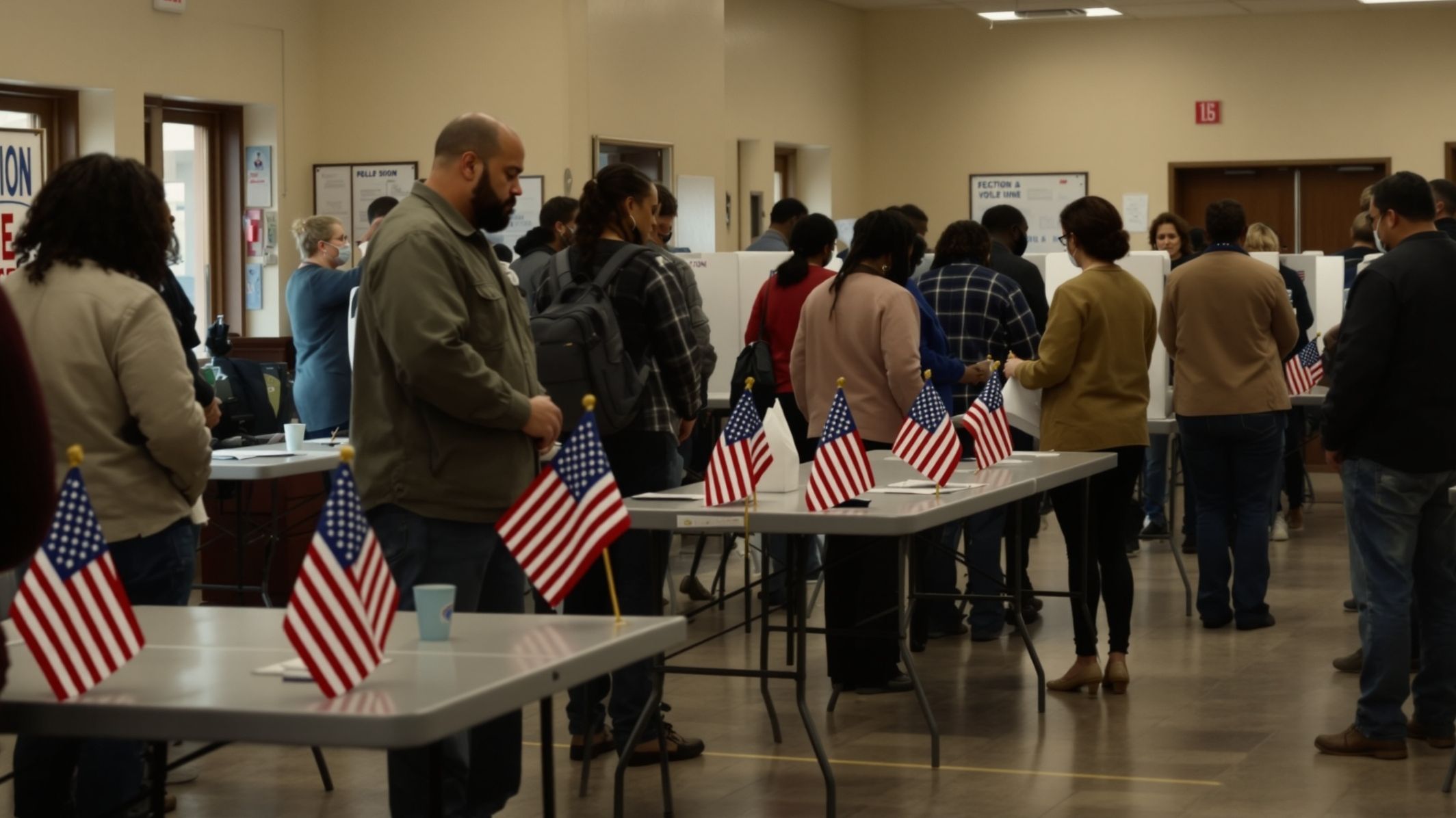
Local elections are the closest and most personal expression of democracy, shaping the decisions that affect daily life in direct and lasting ways. From mayors and city council members to school boards, sheriffs, judges, and ballot initiatives, these races determine how communities grow, spend public funds, and respond to local challenges. While they often receive less national attention, local elections influence everything from zoning and public safety to education quality and transportation planning. This Politics Street sub-category explores how local elections work, why turnout matters, and how grassroots campaigns can drive real change. You’ll discover how candidates build community support, how nonpartisan races differ from party-driven contests, and why local offices often serve as launching pads for future state and national leaders. We also dive into pivotal local races that transformed cities, shifted regional power, or sparked wider political movements. Local elections remind us that democracy doesn’t begin in Washington—it starts on our streets, in our neighborhoods, and at the ballot box closest to home, where civic participation has the most immediate impact.
A: They affect schools, safety, housing, and services you interact with every day.
A: Some are, but many are officially nonpartisan even if candidates have party ties.
A: Less media coverage and off-cycle election dates reduce participation.
A: Yes—low turnout means organized groups can have major influence.
A: A direct vote on a policy, tax, or local law change.
A: Look at local news, candidate forums, official websites, and community groups.
A: Some do, some serve part-time or receive stipends—varies by office.
A: In some states and cities, voters can initiate recall elections.
A: Typically county or municipal election offices under state law.
A: Vote, attend meetings, and engage directly with local representatives.