
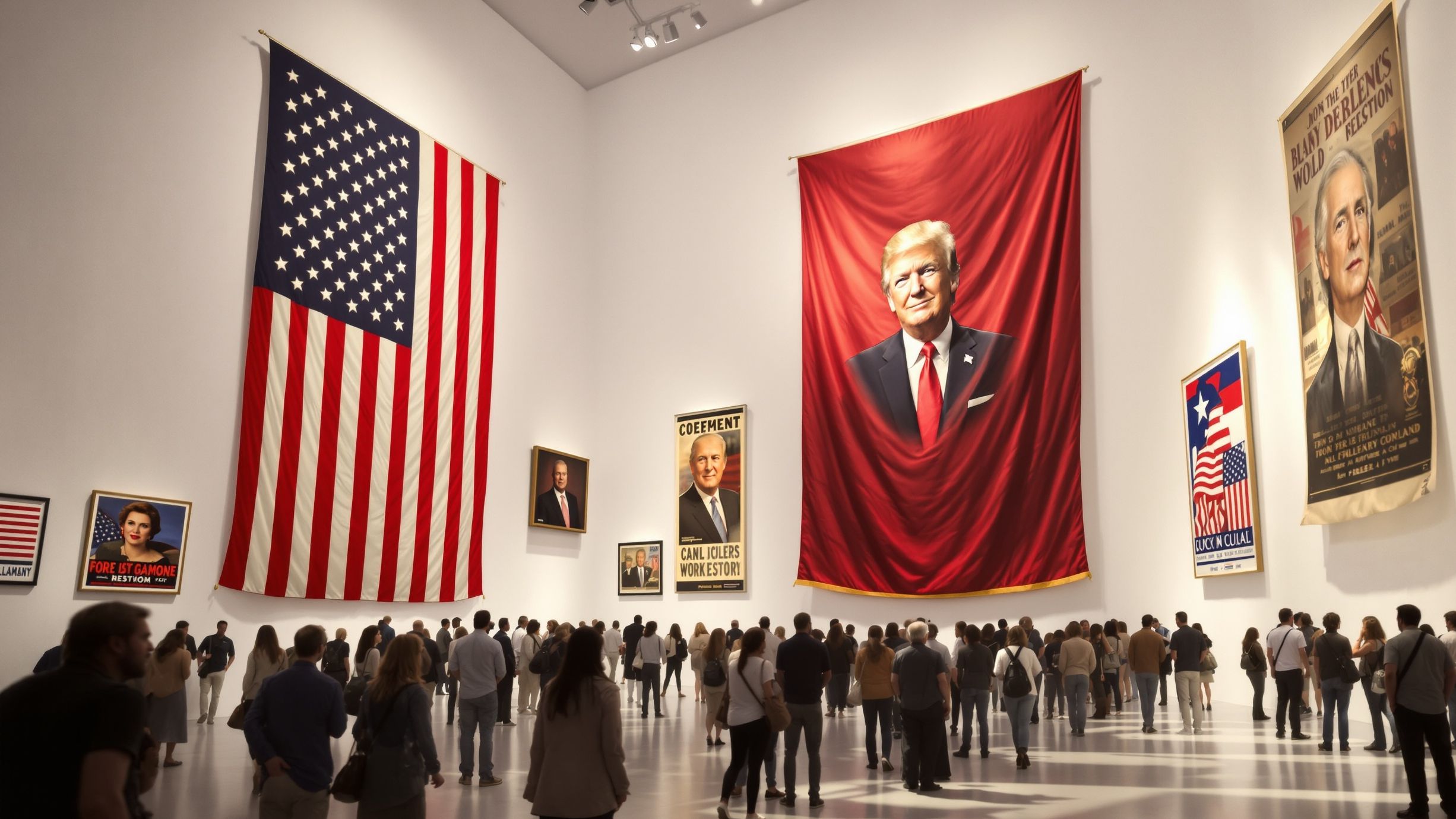
Politics has always relied on powerful images to communicate ideas, inspire loyalty, and shape public identity. Political symbols and iconography transform complex ideologies into instantly recognizable visuals—from national flags and party emblems to hand gestures, colors, and historic imagery. These symbols serve as emotional shorthand, allowing campaigns, movements, and governments to convey messages that resonate across cultures, languages, and generations. Throughout history, political iconography has played a central role in shaping how citizens connect with leadership and national identity. A simple symbol can evoke patriotism, unity, resistance, or reform. Whether displayed on campaign banners, social media graphics, protest signs, or government seals, these visual elements help define movements and rally supporters around shared beliefs. In the modern political landscape, symbols travel faster than ever. Images captured at rallies, debates, and demonstrations can spread globally within moments, turning logos, colors, and gestures into powerful tools of communication and persuasion. Understanding the meaning behind political symbols reveals how visual storytelling influences public perception and political culture. In this section of Politics Street, we explore the history, meaning, and impact of political symbols and iconography—from historic emblems to modern campaign branding that shapes today’s political narratives.
A: It is the use of symbols, colors, logos, and imagery to represent political ideas, leaders, parties, or movements.
A: They make messages faster to recognize, easier to remember, and more emotionally powerful.
A: No, some are official party or campaign graphics, while others emerge from protest culture or public use.
A: Flags instantly connect politics to national identity, unity, and shared meaning.
A: Yes, symbols often gain new interpretations as history, culture, and political events evolve.
A: Simplicity, clarity, strong symbolism, and the ability to work across many formats.
A: Repetition builds recognition and helps audiences connect the image with the candidate or cause.
A: Yes, protest symbols are often more spontaneous, emotional, and easy for the public to copy and spread.
A: Absolutely, because color can signal ideology, tradition, urgency, or national identity.
A: Using visuals that are confusing, overloaded, culturally tone-deaf, or too weak to be memorable.