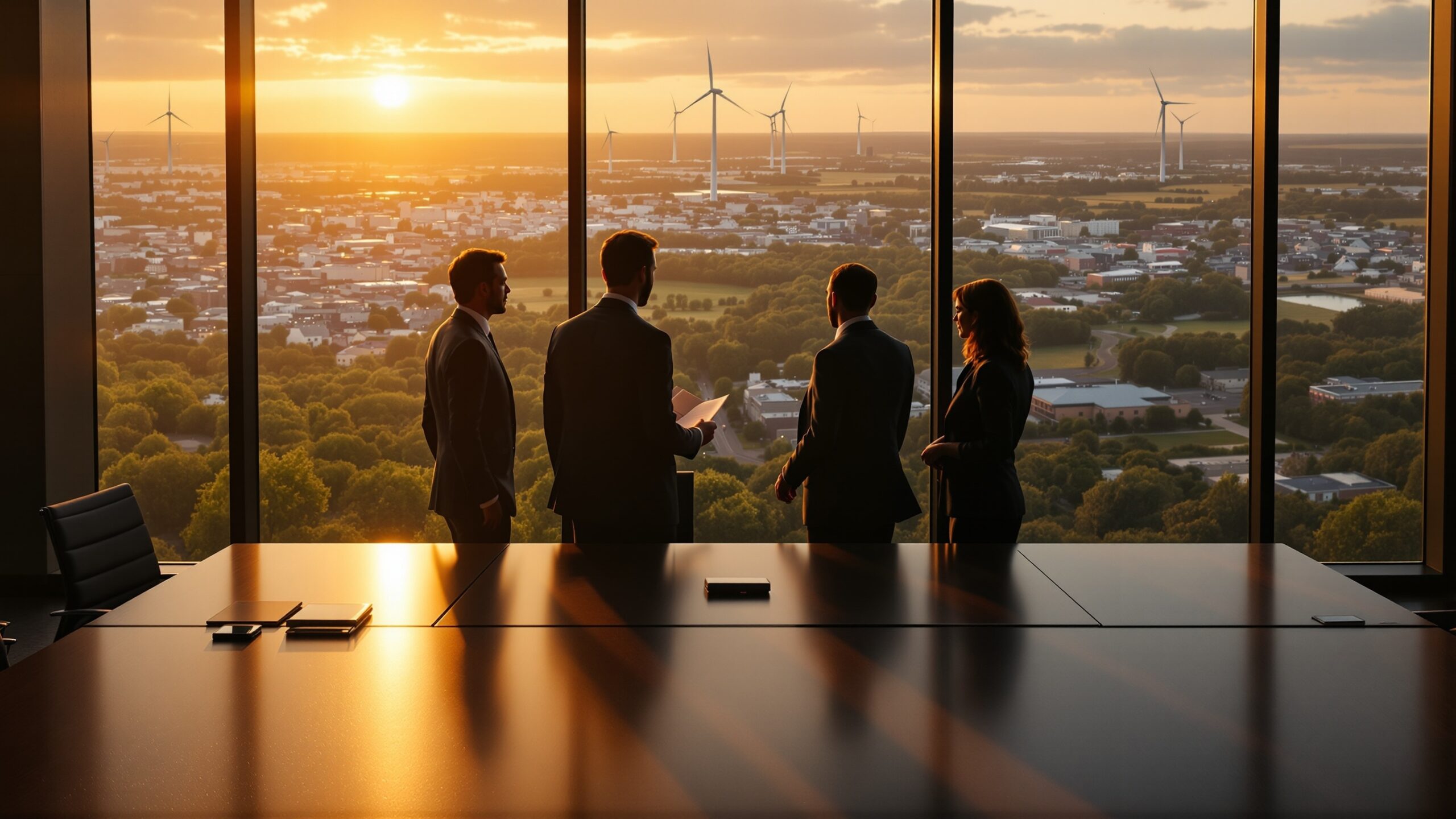

Environmental policy shapes how societies protect natural resources, manage growth, and respond to the environmental challenges of both today and tomorrow. It influences the air we breathe, the water we drink, the land we develop, and the ecosystems we depend on for survival and economic stability. On Politics Street, our Environmental Policy section explores the laws, regulations, and political debates that define humanity’s relationship with the planet. This hub brings together articles that examine climate change strategies, conservation efforts, energy policy, pollution control, wildlife protection, and sustainable development through a clear political lens. We break down how environmental regulations are written, enforced, and challenged, and how they affect industries, communities, and global cooperation. From international climate agreements and renewable energy initiatives to local land-use disputes and environmental justice movements, these articles connect policy decisions to real-world consequences. Whether you’re interested in the science behind environmental legislation, the economics of green transitions, or the political battles shaping environmental action, Environmental Policy on Politics Street offers informed, engaging insight into how governments balance progress, protection, and responsibility in an increasingly interconnected world.
A: Conservation protects ecosystems and species; climate policy targets emissions and resilience—often they overlap.
A: Data collection, alternatives analysis, public comments, and legal requirements can stretch timelines—especially for big projects.
A: It depends: market tools can be efficient, but strong standards and enforcement are still essential for health protections.
A: Reducing unequal exposure, improving participation, and directing resources to communities carrying heavier burdens.
A: Be specific: cite local impacts, request measurable conditions, and ask how compliance will be monitored and enforced.
A: Often stormwater runoff and aging infrastructure—both can overwhelm systems during heavy rain.
A: Yes, but policy scales impact—individual choices plus community rules change markets and infrastructure.
A: Projects like rain gardens, permeable pavement, and street trees that manage stormwater and reduce heat.
A: Through permits, inspections, monitoring reports, citizen suits in some cases, and penalties for violations.
A: Update building codes and fleets, map hotspots, fund efficiency and cooling, and publish clear performance dashboards.

What Is Environmental Policy? A Beginner’s Guide to Protecting the Planet
A practical explainer of environmental policy, showing how decisions move from public debate into everyday systems, costs, access, and accountability.

How Environmental Policy Shapes Climate Change Solutions
A practical explainer of climate-focused environmental policy, showing how decisions move from public debate into everyday systems, costs, access, and accountability.

Why Environmental Policy Matters for Future Generations
A practical explainer of long-term environmental policy, showing how decisions move from public debate into everyday systems, costs, access, and accountability.
Environmental Laws Explained: How Governments Protect Nature
A practical explainer of environmental law, showing how decisions move from public debate into everyday systems, costs, access, and accountability.
How Environmental Policy Affects Air, Water, and Land
A practical explainer of air, water, and land policy, showing how decisions move from public debate into everyday systems, costs, access, and accountability.

Climate Policy Explained: What You Need to Know
A practical explainer of climate policy, showing how decisions move from public debate into everyday systems, costs, access, and accountability.
