

Constitutions & Charters is where the blueprint of governance begins—the foundational texts that determine what a government can do, what it cannot, and how power flows through a society. This category invites you into the world of the documents that define nations, protect freedoms, and establish the rules that guide political life. Whether centuries old or recently drafted, these charters serve as living frameworks that evolve alongside the people they represent. Here, you’ll explore how constitutions are crafted—through debate, compromise, vision, and sometimes revolution. You’ll uncover the structures they create: branches of government, checks and balances, systems of rights, and the mechanisms by which laws are made and disputes are resolved. You’ll also examine constitutional amendments, reinterpretations, and court rulings that continually reshape how these documents function in modern life. Beyond the United States, this space highlights global constitutions and founding charters, revealing how different cultures and histories influence the design of governance. Constitutions & Charters shows how the written word becomes political reality—and how these foundational texts continue to define justice, authority, and identity across the world.
A: It’s a foundational document that sets out how a political system works—who has power, how it is limited, and what rights people have.
A: Charters often play a similar role at local or organizational levels, defining structures and powers for cities, regions, or institutions.
A: They provide stable rules of the game so that changes in leadership don’t require rewriting basic institutions each time.
A: That depends on the document—changes may require special legislative votes, public referendums, or charter commissions.
A: It’s a section that explicitly lists key rights and freedoms that governments must respect and protect.
A: Courts interpret constitutional and charter provisions when deciding whether laws or actions are valid.
A: Text helps, but practice, culture, leadership, and public engagement also play major roles.
A: It typically means local governments have broader authority over local matters without needing permission for every change.
A: Many official websites publish the full text, summaries, and educational materials; libraries and civic groups are also good resources.
A: Because they can alter how power is shared, how rights are protected, and how democratic institutions function for years to come.
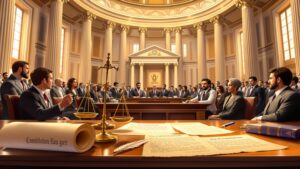
What Is a Constitution? A Beginner’s Guide
A constitution is the foundation of a nation’s government and legal system. Discover what constitutions are, how they work, and why they are essential to democracy.

What Is a Charter? Understanding the Basics
A charter is a foundational document that grants rights, powers, or authority to an organization or government. Discover how charters work and why they remain important today.

Why Constitutions Matter in Modern Government
Constitutions are the foundation of modern governments. Learn how they protect freedoms, establish the rule of law, and create stable, accountable political systems around the world.