
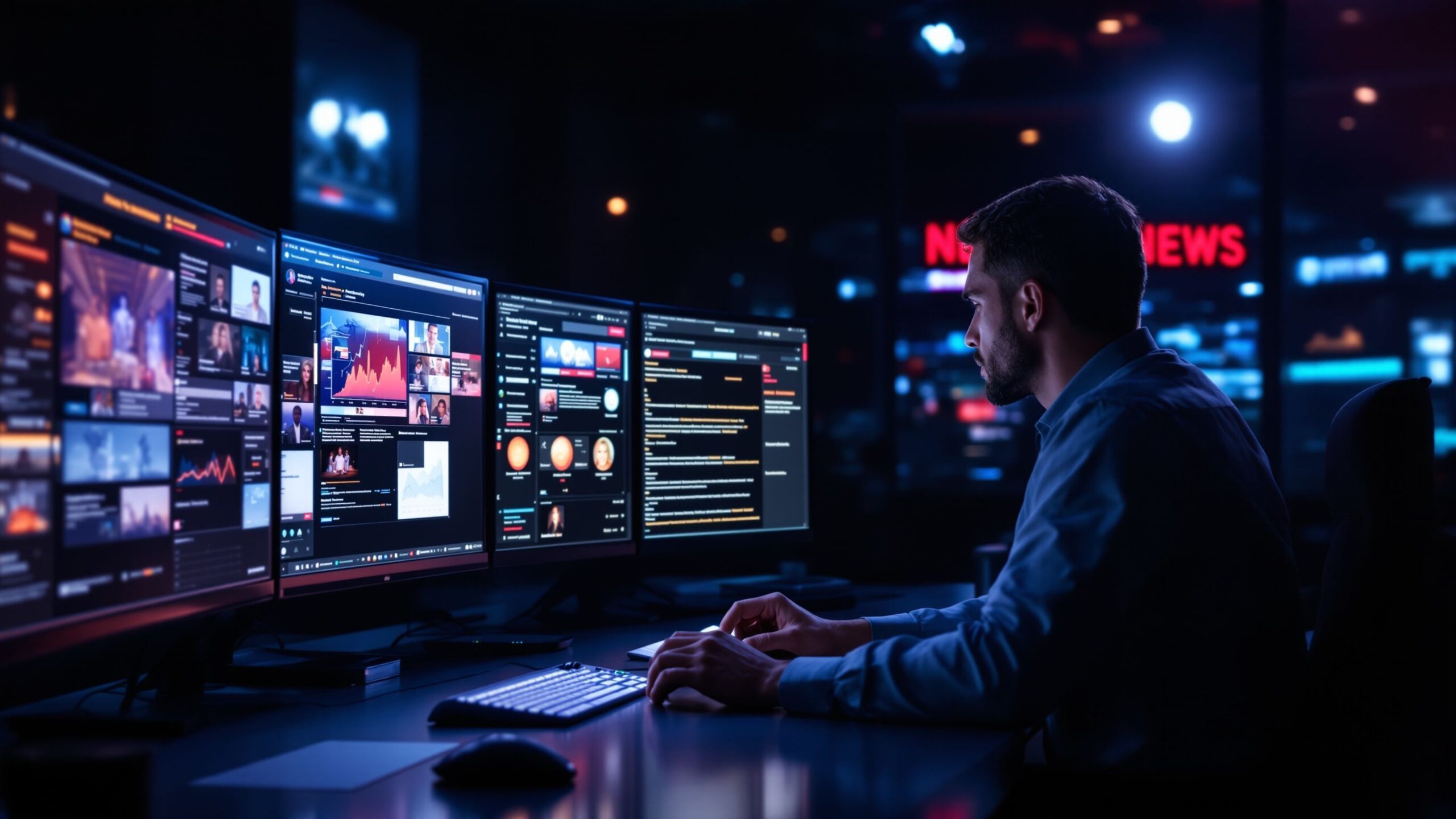
In today’s digital world, political conversations move at the speed of a scroll. Social media platforms have transformed how information travels, turning tweets, posts, and viral videos into powerful forces that can influence elections, shape public opinion, and ignite global debates within minutes. While these platforms have opened new doors for communication and civic engagement, they have also created fertile ground for misinformation to spread rapidly and widely. Political journalists now face a new challenge: navigating an information landscape where truth, opinion, propaganda, and satire often collide. False claims, manipulated images, misleading headlines, and coordinated disinformation campaigns can spread across networks faster than traditional reporting can verify them. As a result, the role of journalism in monitoring, fact-checking, and contextualizing political content online has become more critical than ever. This section explores the complex relationship between social media and modern political reporting. From viral misinformation and algorithm-driven narratives to fact-checking strategies and digital media literacy, these articles examine how journalists, platforms, and audiences are grappling with the realities of politics in the age of social media.
A: It is false, misleading, or out-of-context information spread through social platforms.
A: No. People often share false content without realizing it is inaccurate.
A: Misinformation may be shared unknowingly, while disinformation is spread deliberately to deceive.
A: Because dramatic, emotional, and identity-driven content often gets more engagement.
A: Check the source, date, original context, and whether reliable outlets confirm it.
A: Not by themselves. They can be edited, cropped, or stripped of important context.
A: Memes, short clips, old photos, fake quotes, altered headlines, and emotionally loaded posts.
A: Yes. It can shape voter beliefs, trust in institutions, and reactions to public events.
A: A deepfake is fabricated audio, video, or imagery designed to look convincingly real.
A: Pause before sharing and verify the claim through trustworthy, original, and current sources.