
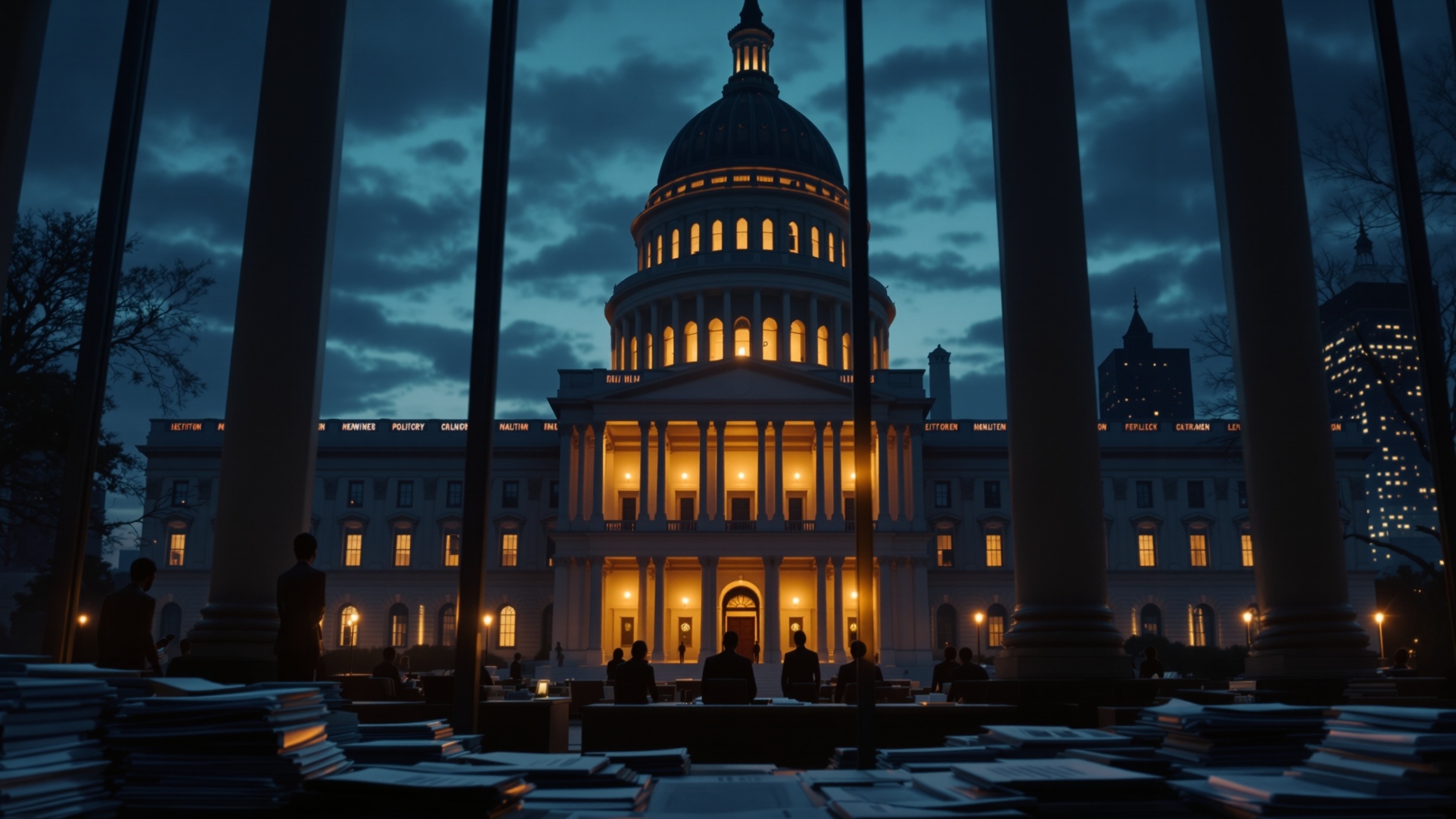
Economic policy is where ideas meet impact, shaping how nations grow, spend, tax, and protect their people in an ever-changing world. It influences everything from the price of groceries and gas to job creation, wages, housing affordability, and long-term national stability. On Politics Street, our Economic Policy hub explores the decisions that drive prosperity—or trigger uncertainty—behind the scenes of everyday life. This page brings together in-depth articles that break down complex topics like fiscal strategy, monetary policy, trade agreements, public spending, inflation control, and economic reform into clear, engaging insights anyone can follow. Whether you’re curious about how government budgets are built, why interest rates rise and fall, or how economic policy affects different communities, industries, and generations, you’ll find thoughtful analysis here. We examine historical turning points, modern debates, and future-focused ideas shaping the global economy, always connecting policy decisions to real-world consequences. From bold stimulus plans to austerity measures, market regulation to free-trade philosophies, Economic Policy on Politics Street is your guide to understanding how financial power, political choices, and public priorities intersect to shape the direction of society.
A: Fiscal = taxes/spending set by elected officials; monetary = interest rates/liquidity set by the central bank.
A: Prices may rise faster than wages, gains can be uneven, and housing/health costs can dominate budgets.
A: Not necessarily—deficits can cushion recessions, but long-term imbalances can raise debt risks.
A: They influence mortgage rates, car loans, credit cards, and business borrowing—shaping hiring and investment.
A: A mix of steady rate policy, easing supply constraints (housing/energy/logistics), and targeted fiscal choices.
A: Housing is a major household cost and a key part of inflation; supply limits can ripple through the economy.
A: Progressive takes a larger share from higher incomes; regressive hits lower incomes harder as a share of income.
A: They can support specific sectors, but they can also raise costs for consumers and other industries.
A: Track inflation, jobs, wages, and housing—then ask how policy changes those four.
A: Sustainable growth: stable prices, rising real wages, broad opportunity, and manageable debt.

What Is Economic Policy? A Beginner’s Guide to How Governments Shape the Economy
Economic policy is the collection of choices governments make to influence jobs, prices, growth, taxes, spending, trade, and the general direction of the.

How Economic Policy Affects Inflation, Jobs, and Your Daily Life
Economic policy affects daily life because it shapes the conditions people live and work inside. It can influence whether employers are hiring, how.

Fiscal Policy vs Monetary Policy: What’s the Difference?
Fiscal policy and monetary policy are two of the biggest ways public institutions try to guide the economy. Fiscal policy is about government taxing and.