
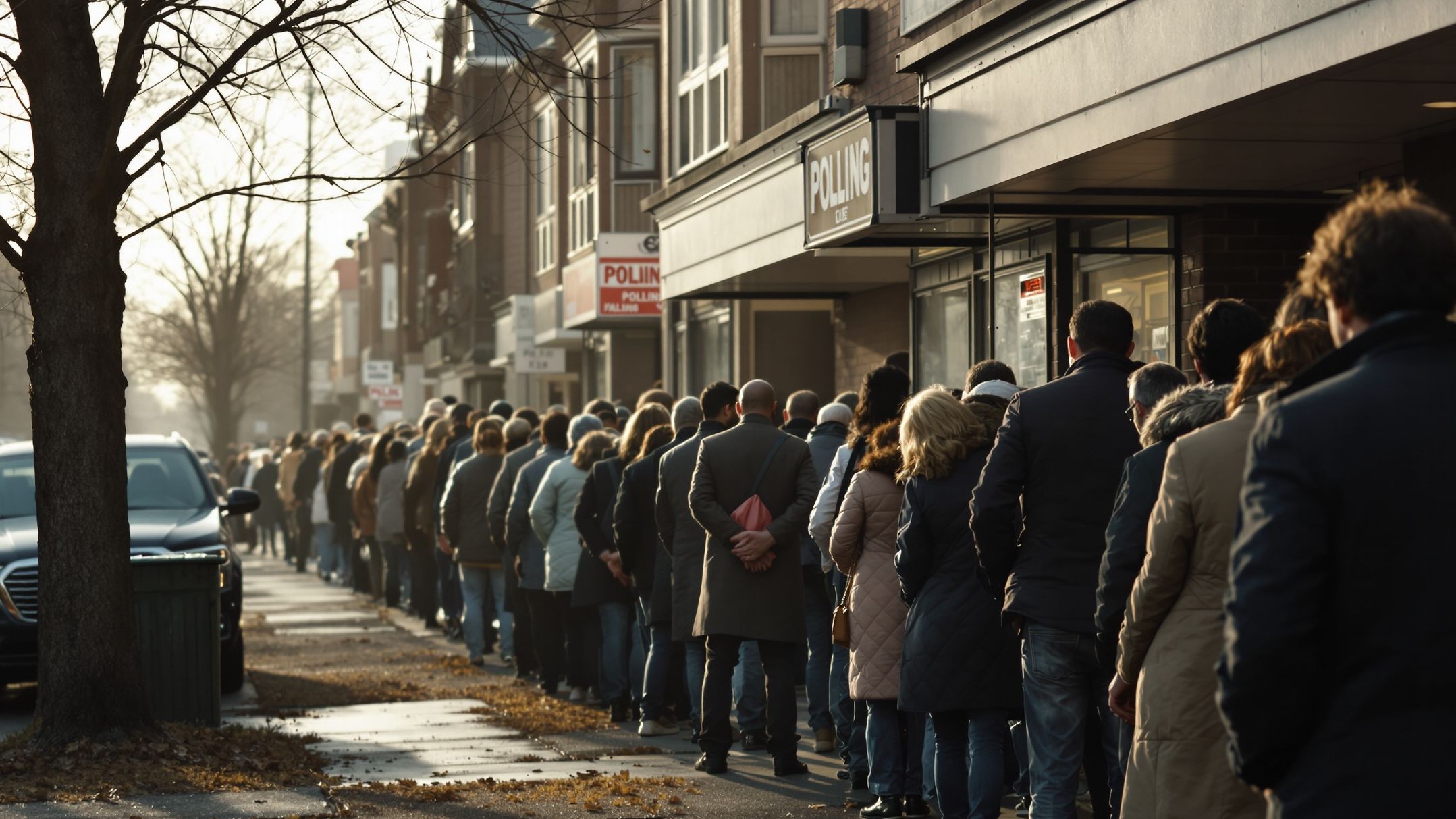
Voter rights and suppression sit at the center of democratic legitimacy, determining who can participate, how easily they can vote, and whether every voice carries equal weight. Throughout U.S. history, expansions of voting rights have often been met with efforts to restrict access through laws, procedures, and administrative barriers. This Politics Street sub-category explores that tension in depth, examining how voting rights are protected, challenged, and debated in modern elections. We break down key issues such as voter ID laws, registration access, mail-in and early voting, purges of voter rolls, and the role of courts and federal oversight. You’ll also find historical context on landmark legislation, alongside analysis of contemporary disputes shaping turnout and representation. By looking at both policy intent and real-world impact, this section helps readers understand how rules at the ballot box can influence outcomes long before Election Day. Voter rights and suppression are not abstract legal concepts—they directly affect participation, trust, and the health of democracy itself.
A: Practices that make voting harder for certain groups of eligible voters.
A: Supporters say they protect integrity; critics argue they can restrict access.
A: Mostly states, with federal laws setting minimum protections.
A: Yes—courts can block laws that violate constitutional or statutory protections.
A: Studies generally show fraud is rare, but debate continues.
A: Resource allocation and turnout levels vary by location.
A: It depends on state law and sentence status.
A: Practices that weaken the voting power of a group without denying the vote.
A: Know the rules, report problems, and seek assistance if needed.
A: It sits at the intersection of rights, power, and trust in democracy.