
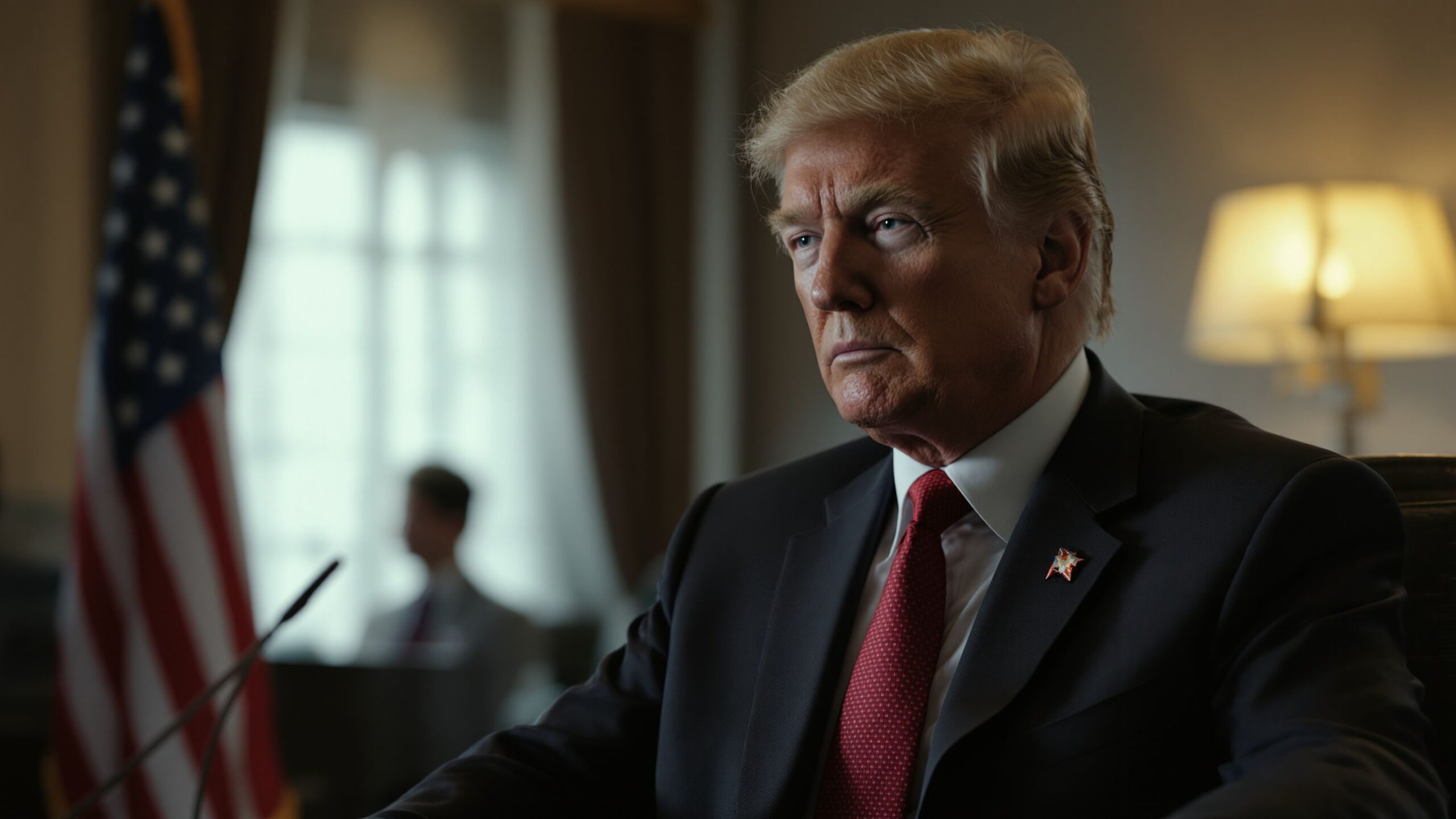
In politics, appearance is never accidental. Political fashion and presentation play a powerful role in shaping how leaders are perceived, influencing everything from credibility and authority to relatability and trust. Clothing, grooming, posture, and personal style all contribute to the visual story a candidate tells before they even speak. A well-chosen outfit can signal professionalism, cultural connection, confidence, or solidarity with specific communities. Throughout history, political figures have used fashion as a subtle yet impactful form of messaging. From carefully tailored suits and patriotic color palettes to cultural garments and symbolic accessories, clothing choices often reinforce the values and identity a candidate wants to project. Even small details—such as tie colors, lapel pins, or the decision to dress casually at certain events—can carry meaning and influence how voters interpret a leader’s personality and priorities. In the era of television, livestreams, and viral images, presentation matters more than ever. Every campaign appearance becomes a visual moment shared across news outlets and social media, making style and stage presence essential tools of political communication. In this section of Politics Street, we explore how political fashion and presentation shape public image, media coverage, and the visual language of leadership in modern campaigns.
A: Because visual presentation influences how audiences perceive confidence, professionalism, and relatability.
A: Yes, many campaigns consider wardrobe as part of overall messaging and public image.
A: They appear professional, stable, and camera-friendly.
A: Pins, ties, scarves, or badges can symbolize causes, identity, or national pride.
A: Sometimes, distinctive fashion choices can become talking points in news and social media.
A: They can appear distracting or distorted on television and digital video.
A: Yes, especially during community visits or informal gatherings.
A: To reinforce credibility and connect with audiences visually.
A: Yes, wearing culturally meaningful attire can signal recognition and inclusion.
A: Simplicity, authenticity, and alignment with the candidate’s message.