

The Presidency is the epicenter of American leadership—an office where history, power, and responsibility converge in every decision made. This category pulls you into the heart of the nation’s executive branch, exploring the people, pressures, and defining moments that have shaped the role from its earliest foundations to its modern complexities. Here, the presidency isn’t just a title—it’s a legacy built one choice, one crisis, and one vision at a time. You’ll uncover how presidents navigate global diplomacy, domestic challenges, legislative battles, and the ever-shifting tides of public opinion. From iconic speeches and landmark reforms to behind-the-scenes strategy and the emotional weight of command, this space reveals the multifaceted world of presidential leadership. It also traces the evolution of executive power, exploring how each administration redefines the boundaries of the office. Whether you’re studying historic presidencies, analyzing modern administrations, or exploring the symbolism and stagecraft that accompany the role, this category offers a front-row view of the institution that shapes national direction and global influence. The Presidency is where leadership becomes legacy.
A: Schedules usually include briefings, meetings with advisors, public events, and review of ongoing initiatives.
A: Through proposals, negotiations, consultations, and formal messages required by law or tradition.
A: A combination of cabinet members, specialized councils, staff, and subject-matter experts.
A: Yes—courts, legislatures, and oversight bodies can review actions according to constitutional rules.
A: The method—direct election, electoral colleges, or legislative selection—is defined by each system’s basic law.
A: A transition process prepares the next administration, while continuity plans keep services running.
A: Many significant changes require cooperation with legislatures, courts, and sometimes other levels of government.
A: Official releases, reputable news sources, and public records portals provide updates on presidential activity.
A: Constitutions, laws, court decisions, and oversight systems define and constrain the office.
A: Understanding the office helps citizens interpret decisions, follow policies, and engage more effectively in civic life.
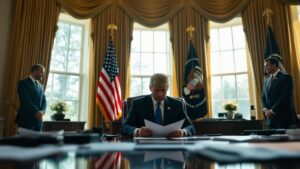
What Does the President of the United States Actually Do? A Complete Breakdown
The President of the United States is far more than a public figure. From commanding the military to shaping laws and leading global diplomacy, this in-depth guide reveals the real responsibilities behind one of the most powerful roles in the world.
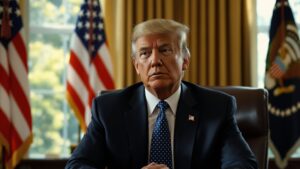
The Powers of the U.S. President Explained Simply
What powers does the U.S. President really have? This clear and engaging guide breaks down executive, military, legislative, and diplomatic authority in simple terms anyone can understand.

How the President Is Elected: Step-by-Step Guide to the Electoral Process
Confused about how the presidential election works? This simple, step-by-step guide breaks down primaries, conventions, the Electoral College, and how a president is officially elected.