
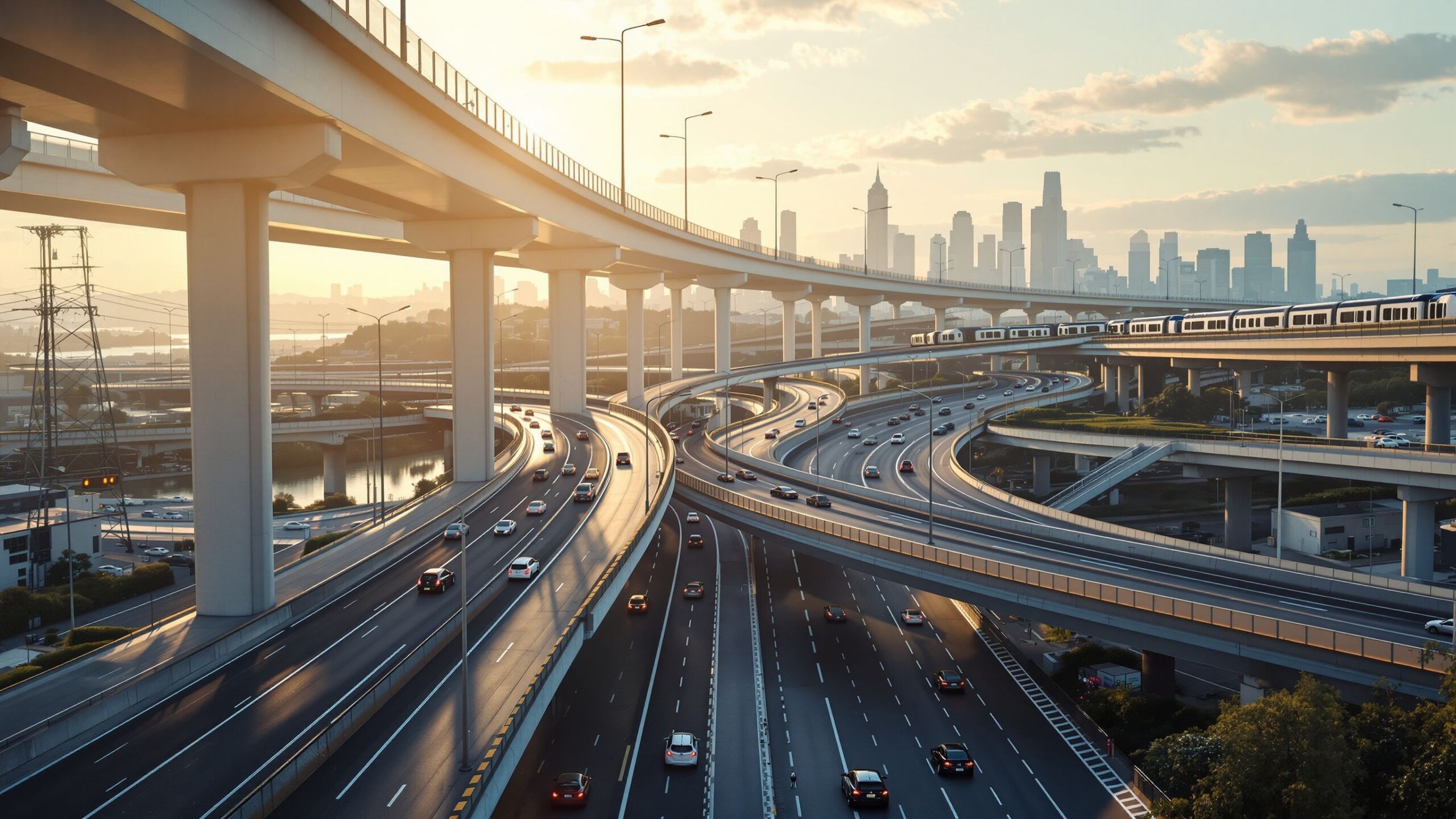
Infrastructure & Transportation explores the systems that keep modern society moving, connected, and functioning behind the scenes. Roads, bridges, railways, ports, power grids, and transit networks shape daily life as much as any law or policy, influencing economic growth, public safety, and environmental impact. This space examines how governments plan, fund, and maintain the physical backbone of nations, and what happens when those systems are neglected or reimagined. On Politics Street, this sub-category dives into debates over public investment, aging infrastructure, high-speed rail, urban transit, highways, and the future of mobility. You’ll find historical context on how major infrastructure projects transformed cities and regions, alongside analysis of modern challenges like climate resilience, smart cities, and sustainable transportation. It also explores how infrastructure decisions affect equity, access, and opportunity across communities. From everyday commutes to massive national projects, Infrastructure & Transportation reveals how concrete, steel, and policy intersect to shape economic power, quality of life, and the long-term direction of society.
A: Planning, environmental review, funding, land acquisition, and construction all add time.
A: Often temporarily—new capacity can attract more driving over time.
A: Local agencies and regional planning bodies, often with state and federal oversight.
A: Through mixes of taxes, tolls, fees, bonds, and federal or state grants.
A: Lower speeds, better lighting, protected crossings, and clear sightlines.
A: Repairs are less visible politically than new projects, despite higher long-term value.
A: Yes—early public input can change alignments, stops, and safety features.
A: Charging for peak-time road use to manage demand and fund alternatives.
A: Heat, floods, and storms strain materials and require new design standards.
A: Access to reliable travel shapes opportunity, costs, and quality of life.