
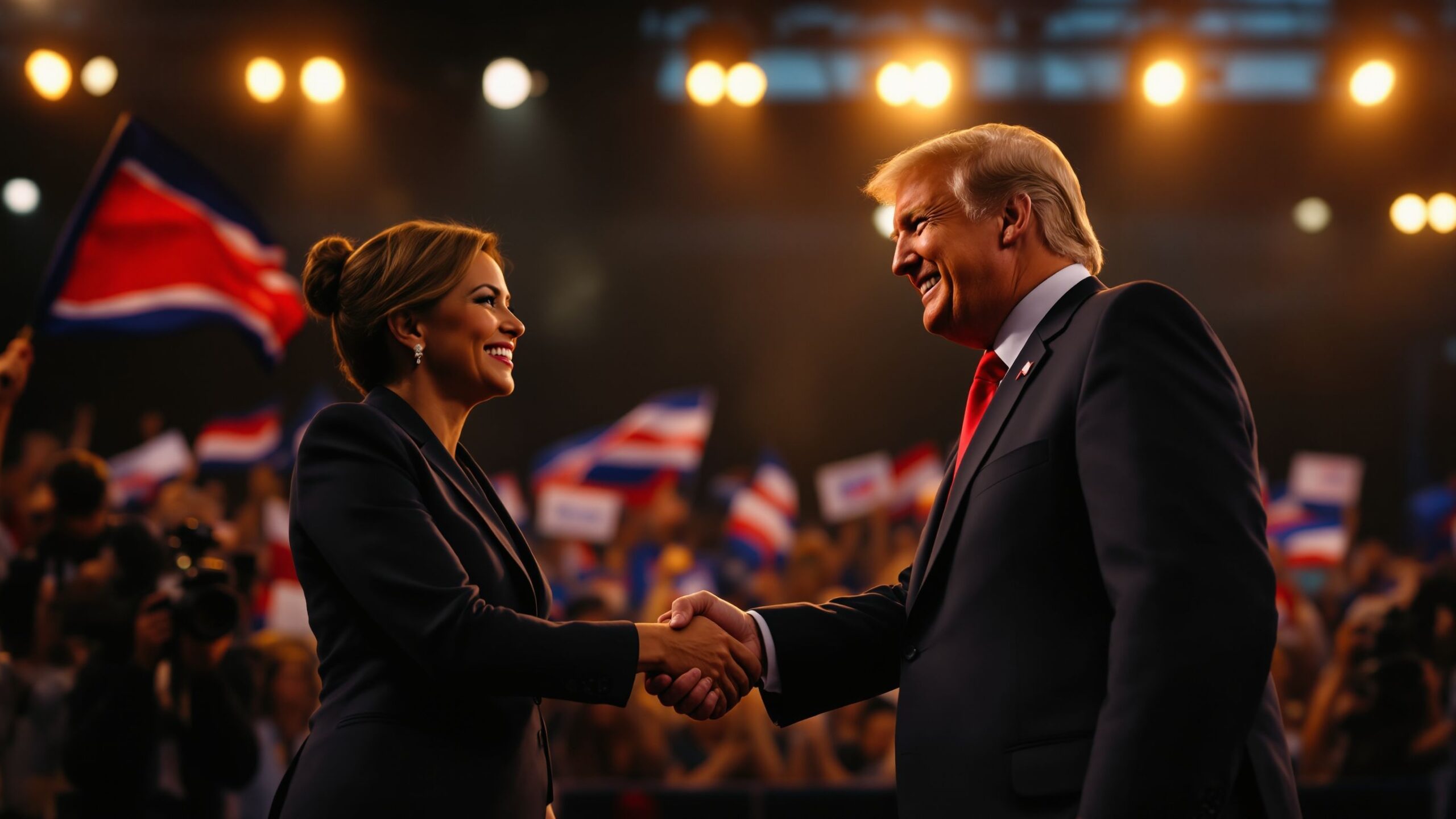
Politics is often communicated not only through words, but through carefully timed gestures, movements, and symbolic actions. Symbolic gestures and political choreography shape how leaders connect with audiences, express unity, and create memorable moments that resonate far beyond the event itself. A handshake between rivals, a raised hand to greet supporters, or a carefully staged group appearance can send powerful messages about leadership, cooperation, or solidarity. Campaigns and political events frequently rely on subtle choreography to create visually meaningful moments. The order in which speakers appear on stage, the positioning of supporters behind a candidate, and even the timing of applause or flag displays can all be part of a larger visual narrative. These moments are designed not only for the live audience but also for cameras capturing images that may circulate through news outlets and social media around the world. Symbolic gestures also carry deep cultural meaning. Simple acts—such as placing a hand over the heart, embracing supporters, or walking through a crowd—can communicate empathy, confidence, and connection with voters. In this section of Politics Street, we explore how symbolic gestures and political choreography help leaders shape powerful visual narratives that influence public perception and define historic moments.
A: They are actions or movements used to communicate meaning or emotion beyond spoken words.
A: Because visual moments often become powerful images in media coverage.
A: It refers to the planned movements and timing of actions during events.
A: They help set the tone and pacing of an event.
A: Yes, they can reinforce emotional connection and engagement.
A: Many gestures are coordinated during rehearsals and event planning.
A: Because they capture emotion and storytelling in a single image.
A: Authenticity, timing, and visual clarity.
A: Yes, different cultures interpret gestures in different ways.
A: To reinforce the message of an event through meaningful visual moments.