

State & Local Governments are where democracy feels most personal—where the decisions that shape daily life are debated, crafted, and put into action just steps from home. This category takes you inside the engine of community governance, highlighting the leaders, agencies, and institutions responsible for everything from education and transportation to public safety, zoning, economic development, and emergency response. Here, you’ll explore how governors, mayors, city councils, boards, and commissions work together (and sometimes collide) as they balance budgets, manage crises, and respond to the immediate needs of their constituents. You’ll uncover the processes behind local ordinances, statewide legislation, infrastructure planning, and the countless public services that keep cities, towns, and rural communities running. State & Local Governments also reveals how civic participation—voting in local elections, attending town halls, volunteering, or joining advisory boards—can have a profound impact on policy and quality of life. Whether you’re examining how states innovate, how counties deliver services, or how local governments shape the character of a community, this category shows democracy in its most hands-on form.
A: States set broad laws and frameworks; local governments handle day-to-day services within those rules.
A: Usually a mayor and city council or a council–manager team; the exact structure depends on your local charter.
A: Counties often run courts, jails, property records, and regional services that span multiple cities or towns.
A: Primarily from taxes (income, sales, property), fees, and federal or state grants.
A: School boards and district administrators, under state education laws and standards.
A: Vote in local elections, attend public meetings, contact your representatives, and join community groups.
A: It’s authority granted by the state that lets a city or county govern many local matters without state micromanagement.
A: Sometimes yes, but states can preempt local ordinances if they choose.
A: Each state writes its own constitution and laws, and communities tailor local policies to their needs.
A: Most state and local government websites have “find my representative” tools based on your address.
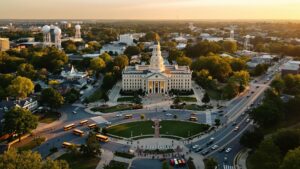
What Do State and Local Governments Actually Do? A Complete Guide
Discover how state and local governments manage schools, roads, police departments, healthcare programs, utilities, public safety, transportation, and community services. This beginner-friendly guide explains how local and state governments work and why they matter every day.
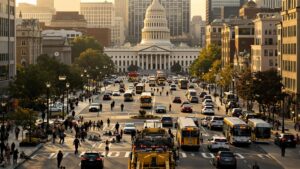
State vs. Local Government: What’s the Difference?
Discover how state and local governments differ in power, structure, responsibilities, and services. From education and public safety to roads, taxes, and local laws, this complete guide explains how each level of government shapes American communities.
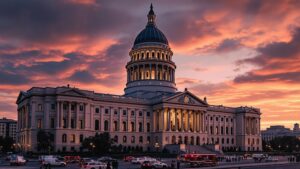
What Powers Do State Governments Have?
Discover the major powers and responsibilities of state governments in America. This beginner-friendly guide explains how states create laws, manage public services, oversee education, enforce criminal justice systems, and shape daily life for millions of residents.