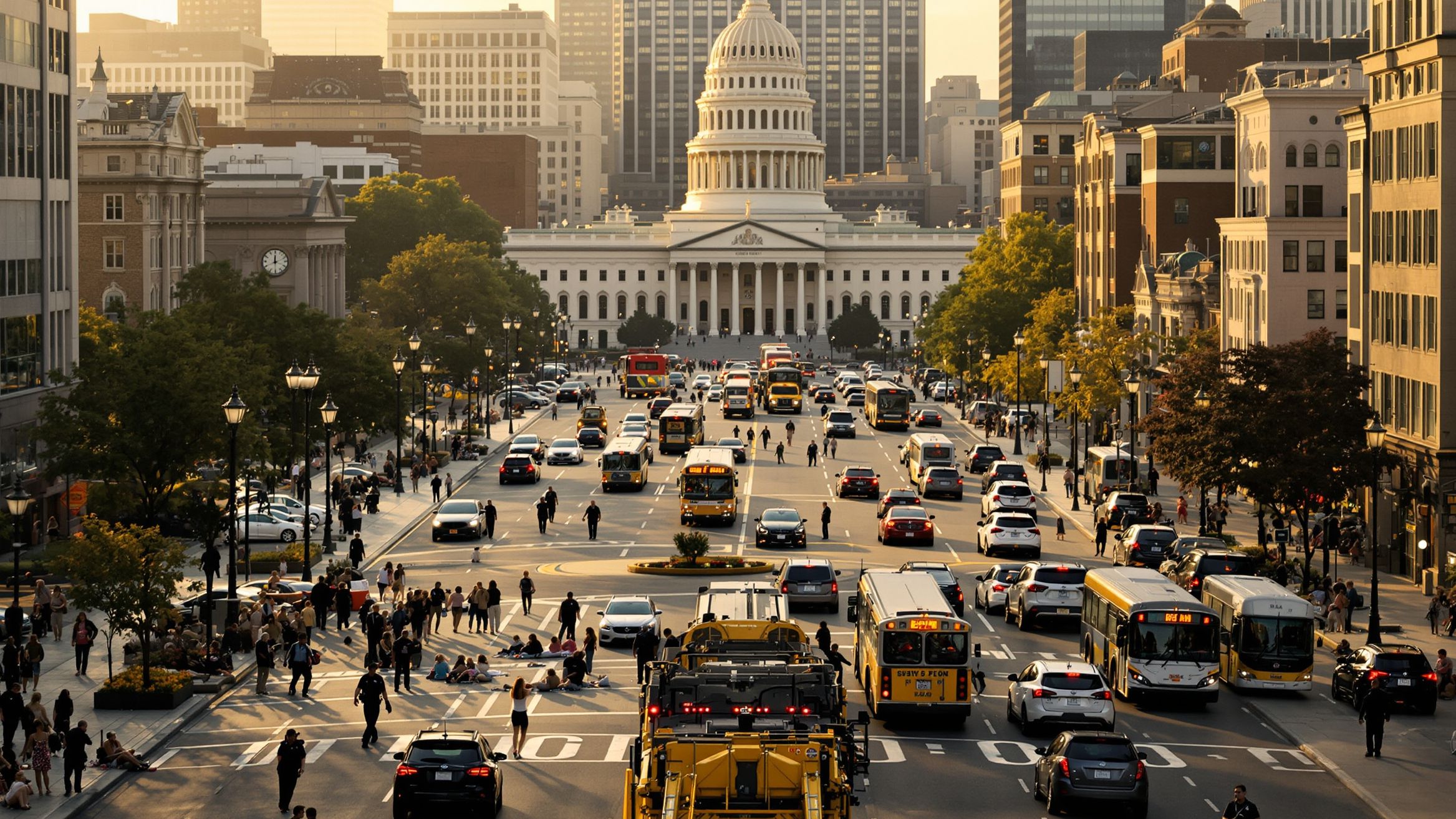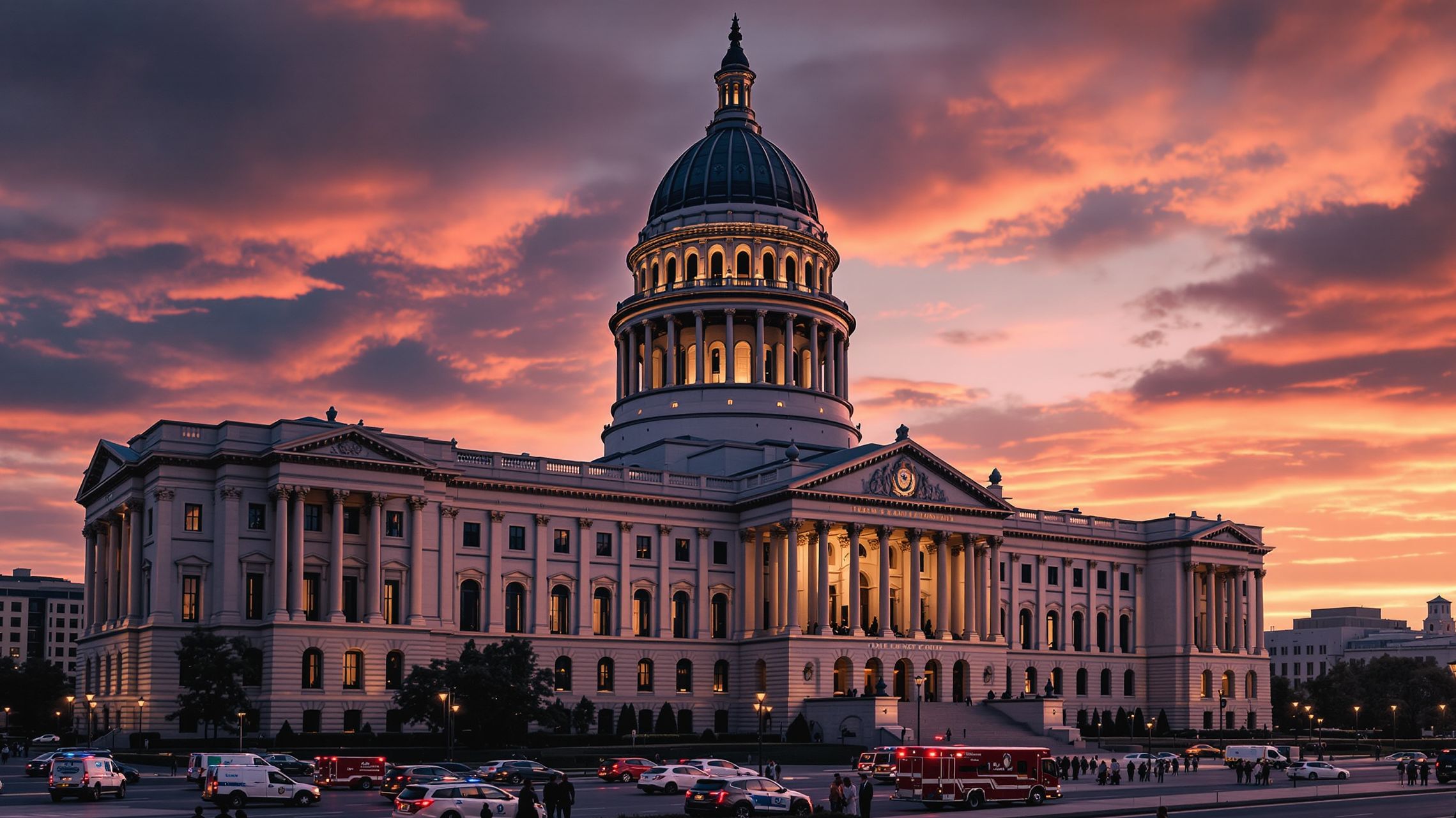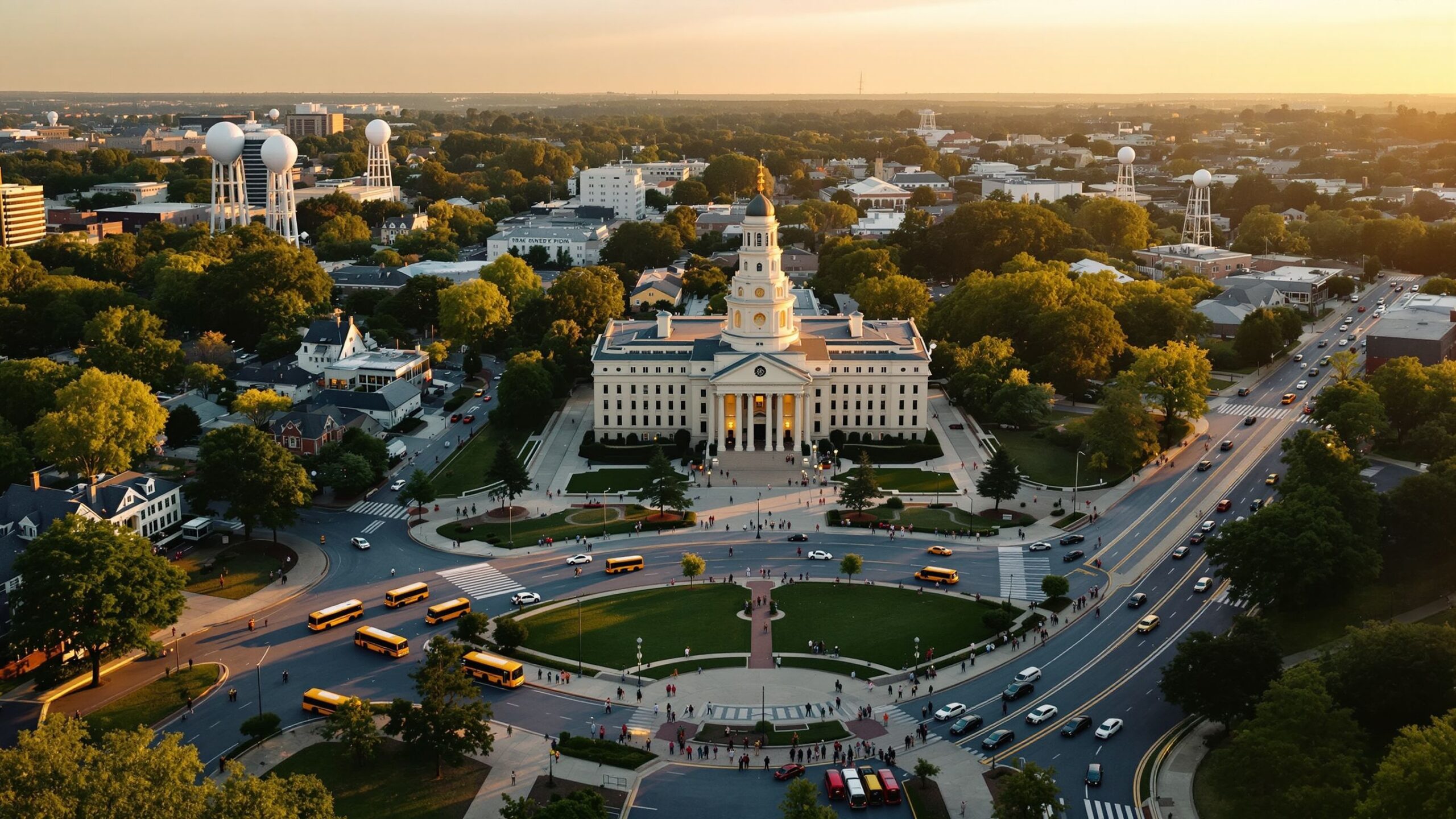
State and local governments are responsible for many of the public services and systems people rely on every single day. While the federal government often receives the most national attention, state and local governments handle many of the practical responsibilities that directly affect communities, neighborhoods, schools, roads, public safety, utilities, and local economies.
Most Americans interact with state and local government systems far more frequently than they realize. Public schools, driver’s licenses, police departments, fire services, trash collection, local courts, public transportation, water systems, road maintenance, zoning laws, and parks are all managed primarily at the state or local level. These governments shape everyday life in ways that are often more visible and immediate than federal policy.
Understanding how state and local governments function is important because they make decisions that influence taxes, education, healthcare access, public safety, business regulations, housing development, and infrastructure within individual communities. They also serve as the connection between citizens and larger government systems, responding directly to local needs and regional challenges.
Although state and local governments work closely with federal agencies in many areas, they have separate powers, responsibilities, and structures. Their roles are designed to allow communities and states to manage many of their own affairs while still operating within the broader framework of the United States Constitution.
A: States oversee statewide laws and systems, while local governments manage community services and local policies.
A: Governors lead executive branches while legislatures create laws and courts interpret them.
A: Mayors oversee city departments, budgets, infrastructure projects, and public services.
A: They directly affect schools, policing, roads, housing, and neighborhood development.
A: Mostly through property taxes, sales taxes, fees, and state assistance.
A: Zoning laws determine how land can be used for homes, businesses, industry, or recreation.
A: Local governments manage city streets while states maintain state highways and transportation systems.
A: Counties often handle courts, jails, elections, records, and regional health services.
A: Yes, state laws can preempt local ordinances depending on legal authority.
A: They shape major systems like education, transportation, healthcare, and economic policy.
What Is State Government?
State governments are the official governing systems for each individual U.S. state. Every state has its own constitution, laws, executive leadership, court system, and legislature. State governments operate similarly to the federal government in structure but focus specifically on issues affecting residents within their state borders.
Each state government is led by a governor who serves as the head of the executive branch. Governors oversee state agencies, enforce state laws, manage state budgets, and coordinate emergency responses during crises such as natural disasters or public health emergencies.
State legislatures create state laws involving education, transportation, healthcare, taxes, criminal justice, business regulations, environmental policy, and public safety. State courts interpret those laws and handle legal disputes involving state matters.
Because states have significant authority under the Constitution, they can create policies that differ greatly from one another. This is why laws involving taxes, education systems, healthcare programs, and business regulations may vary depending on the state.
What Is Local Government?
Local governments operate at the county, city, town, and municipal levels. These governments are closest to the public and manage many community-specific services and operations.
Cities and counties often oversee police departments, fire departments, local courts, sanitation services, water systems, zoning rules, and neighborhood infrastructure projects. Local governments also manage public parks, libraries, recreation centers, and community planning efforts.
Local officials may include mayors, city councils, county commissioners, sheriffs, and school board members. These leaders make decisions directly affecting local neighborhoods, businesses, schools, and public services.
Unlike federal or state governments, local governments focus heavily on practical day-to-day community operations. Their decisions often involve highly visible issues such as pothole repairs, garbage collection schedules, school budgets, traffic systems, and housing development projects.
Education Is Mostly Managed by States and Local Communities
One of the biggest responsibilities handled by state and local governments is public education. While the federal government provides some funding and educational guidance, states and local school districts control most aspects of public school systems.
State governments establish educational standards, graduation requirements, teacher certification rules, and statewide testing systems. They also distribute education funding and oversee large public university systems.
Local school districts manage daily school operations, including hiring teachers, maintaining school buildings, setting local policies, and overseeing transportation services for students.
Because education is managed largely at the state and local levels, school quality, funding, curriculum standards, and educational opportunities can vary significantly between communities and states.
State and Local Governments Handle Public Safety
Public safety responsibilities are heavily managed by state and local governments. Police departments, sheriff’s offices, fire departments, and emergency medical services are usually organized locally or regionally.
Local police departments respond to crimes, traffic incidents, emergency calls, and community safety concerns. County sheriff’s offices often operate county jails, provide courtroom security, and patrol unincorporated areas outside city boundaries.
Fire departments respond to fires, hazardous material incidents, rescue operations, and medical emergencies. Many local governments also operate emergency management offices that help coordinate disaster preparedness and crisis response efforts.
State governments oversee highway patrol agencies, state police forces, correctional systems, and statewide emergency coordination programs. During large emergencies, state governments often work closely with local governments and federal agencies to manage response operations.
Roads, Transportation, and Infrastructure
State and local governments are responsible for maintaining much of the nation’s infrastructure. Roads, bridges, traffic systems, water pipelines, sewer systems, and public transportation networks are typically managed at these levels.
State transportation departments oversee highways, state roads, bridge construction, and large transportation infrastructure projects. They also manage driver licensing systems, vehicle registration programs, and traffic safety regulations.
Local governments maintain city streets, sidewalks, traffic lights, parking systems, and public transit systems such as buses and commuter rail services.
Infrastructure maintenance is one of the most expensive and important responsibilities handled by state and local governments. Aging roads, water systems, electrical infrastructure, and transportation networks require constant repairs and modernization.
State Governments Oversee Healthcare Programs
Healthcare responsibilities are shared between federal, state, and local governments, but states play major roles in administering healthcare programs and public health systems.
State governments help manage Medicaid programs, public health departments, healthcare licensing systems, mental health services, and hospital oversight programs.
Local health departments monitor disease outbreaks, conduct health inspections, support vaccination programs, and provide community health education services.
Public health emergencies often require strong coordination between state and local governments. Disease outbreaks, environmental hazards, and healthcare shortages may involve multiple agencies working together to protect public safety.
State and Local Governments Create and Enforce Laws
State legislatures create laws covering a wide range of issues including criminal law, labor standards, environmental regulations, healthcare systems, business licensing, and consumer protections.
Local governments create ordinances and regulations involving zoning, parking, noise restrictions, building codes, and land use planning.
For example, local governments may decide where businesses can operate, how neighborhoods are developed, and what construction standards buildings must follow.
State and local courts enforce these laws and resolve disputes involving criminal cases, property issues, family law matters, and civil lawsuits.
Taxes and Budgets
State and local governments collect taxes to fund public services and infrastructure projects. These taxes may include income taxes, sales taxes, property taxes, fuel taxes, and local business taxes.
Property taxes are especially important for funding schools, police departments, fire services, and local government operations.
State legislatures create budgets determining how tax revenue will be distributed across education, healthcare, transportation, law enforcement, and public assistance programs.
Budget decisions often become major political issues because governments must balance public service needs with taxpayer concerns and economic conditions.
Housing and Community Development
Local governments play major roles in housing development and urban planning. Zoning laws determine how land can be used within cities and counties.
These rules affect where homes, businesses, factories, parks, and commercial buildings can be built. Zoning decisions influence traffic patterns, housing prices, business growth, and neighborhood development.
Local governments also oversee building permits, construction inspections, and housing safety standards.
Community development programs may involve affordable housing projects, downtown revitalization efforts, public parks, and economic development initiatives designed to attract businesses and improve quality of life.
Environmental and Utility Responsibilities
State and local governments help manage environmental protection programs and public utility systems.
Local governments often oversee drinking water systems, sewer infrastructure, waste management programs, and recycling services.
State environmental agencies monitor pollution levels, regulate natural resource management, and enforce environmental laws involving air quality, water safety, and land conservation.
Utility services such as electricity, water delivery, natural gas systems, and internet infrastructure may involve partnerships between local governments and private utility companies.
Elections and Voting Systems
State governments are responsible for administering elections and maintaining voting systems. They establish voting rules, oversee voter registration systems, certify election results, and manage election security procedures.
Local governments often operate polling locations, train election workers, and process ballots during elections.
Because election laws are primarily controlled at the state level, voting procedures and election regulations can vary between states.
Election administration has become an increasingly important public issue involving debates over voting access, mail-in ballots, election security, and voter identification requirements.
How State and Local Governments Work Together
State and local governments frequently collaborate because many issues overlap across different levels of government.
For example, transportation projects may involve state funding combined with local construction management. Public health programs may involve state guidance alongside local implementation.
State governments also provide funding and oversight for many local services such as schools, emergency management programs, and infrastructure projects.
Local governments, however, generally cannot create laws that conflict with state law. States have authority over local governments because local governments are legally created under state systems.
Challenges Facing State and Local Governments
State and local governments face numerous modern challenges involving population growth, infrastructure aging, housing affordability, climate risks, healthcare costs, and technological change.
Many communities struggle with balancing budgets while maintaining essential services. Road repairs, public safety staffing, water infrastructure upgrades, and school funding all require significant financial resources.
Climate-related disasters such as floods, hurricanes, droughts, and wildfires have increased pressure on emergency management systems and infrastructure planning.
Rapid urban growth has also created housing shortages, traffic congestion, and increased demand for public services in many cities.
Technology presents both opportunities and challenges as governments modernize digital services while addressing cybersecurity risks and data privacy concerns.
Why State and Local Governments Matter
State and local governments matter because they are responsible for many of the systems people rely on every day. They maintain roads, operate schools, provide emergency services, regulate development, oversee elections, and support public health programs within communities.
These governments are also often more accessible than federal institutions. Citizens can attend city council meetings, contact local officials, participate in school board elections, and directly influence community decisions.
Because state and local governments operate closer to the public, they can often respond more quickly to regional needs and local concerns than larger federal systems.
Their decisions shape neighborhoods, economic growth, public safety, transportation systems, and quality of life throughout the country.
Conclusion
State and local governments play essential roles in managing the daily operations that keep communities functioning across the United States. From education and healthcare to transportation, public safety, housing, and infrastructure, these governments handle many of the services people interact with most frequently.
Although federal policies often receive national attention, state and local governments are responsible for many practical decisions that directly affect everyday life. They provide the local leadership, services, and systems that support schools, neighborhoods, businesses, and public safety within communities.
Understanding what state and local governments actually do helps explain how American government functions beyond Washington, D.C. These institutions form the operational foundation of public life, connecting citizens with the services, protections, and infrastructure that shape communities every day.