
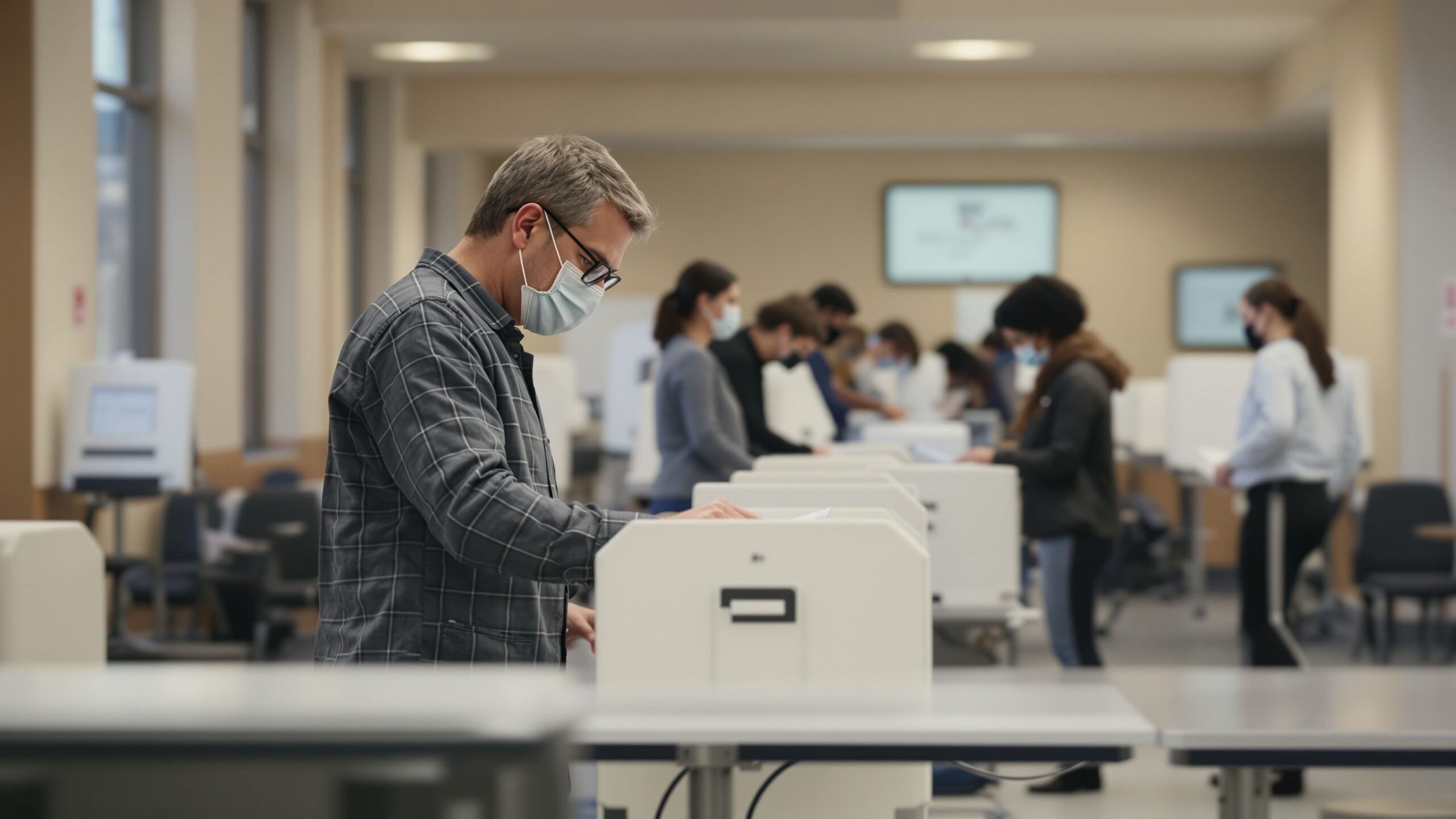
Voting technology sits at the heart of modern democratic elections. From traditional paper ballots to sophisticated electronic systems, the tools used to cast and count votes determine how efficiently, securely, and accurately elections are conducted. As populations grow and election processes become more complex, technology has become essential in helping governments manage large-scale voting systems while maintaining public trust in the results. Over time, voting systems have evolved dramatically. Mechanical lever machines once dominated polling places, eventually giving way to optical scanners, electronic voting machines, and digital ballot tabulation systems. These technologies are designed to streamline the voting process, reduce counting errors, and provide faster election results while maintaining the integrity of the democratic process. At the same time, voting technology raises important questions about cybersecurity, transparency, and accessibility. Election officials and technology experts work constantly to ensure voting systems are protected from interference while remaining accessible to all eligible voters. In this section, you’ll explore articles that examine the history, development, and future of voting technology, revealing how innovation continues to shape the way democratic societies conduct elections.
A: It refers to the machines and systems used to cast, record, and count votes in elections.
A: They are designed with multiple security measures and often include paper records for verification.
A: It is a paper ballot that is read and counted by a scanning machine.
A: Paper records allow election officials to verify results and conduct recounts if needed.
A: Some systems allow voters to review their choices before final submission.
A: No, voting technology varies widely depending on the country and jurisdiction.
A: It is a process used to confirm that vote counts match verified records.
A: Election officials and government agencies typically oversee these systems.
A: Improved accessibility and convenience can encourage greater voter turnout.
A: Public confidence in election technology is essential for democratic legitimacy.