
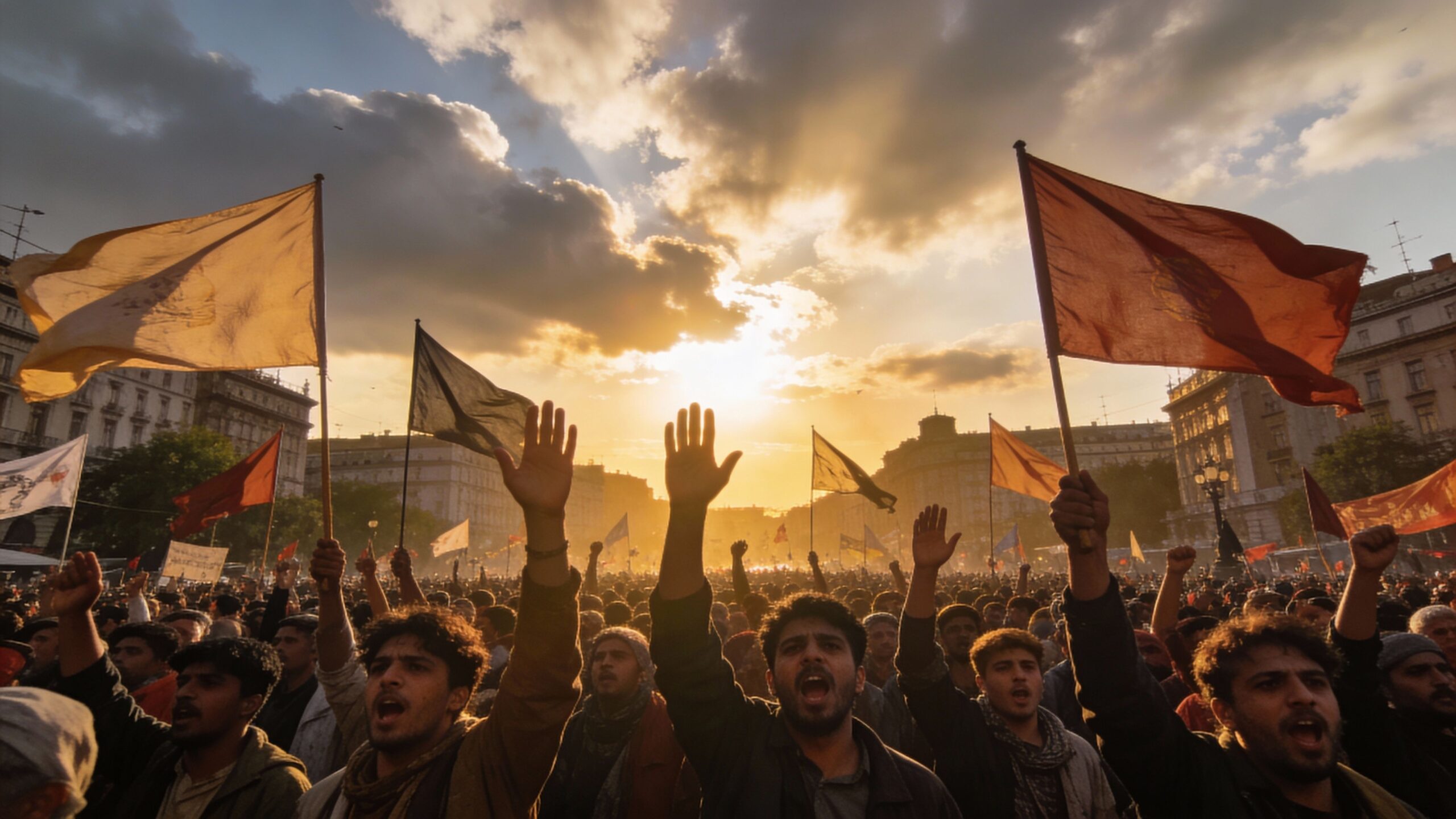
Movements and revolutions mark the moments when collective action reshapes the course of history. This section explores the uprisings, mass movements, and ideological shifts that challenge existing power and redefine societies. From peaceful protests and civil resistance to sweeping revolutions that overturn governments, these moments are driven by shared grievances, bold ideas, and the courage of ordinary people. Some movements achieve lasting reform, others spark conflict or unfinished change, but all leave deep political and cultural impacts. Here, you’ll find in-depth articles that examine how movements begin, how they grow, and why they succeed or fail. We explore leadership dynamics, symbolism, strategy, and the social conditions that ignite widespread action. By looking at revolutions across eras and regions, this collection reveals patterns of hope, resistance, and transformation. Whether you’re interested in grassroots organizing, historic uprisings, or modern protest movements, this section offers a powerful look at how unified voices can challenge authority and remake the world.
A: Movements seek change; revolutions aim to overhaul power systems.
A: No—some are largely nonviolent.
A: Repression, division, or lack of organization.
A: Yes, but mass participation is crucial.
A: Often years or decades.
A: Yes—counter-revolutions and authoritarian drift are common.
A: It unifies but can divide if rigid.
A: Broad support, clear goals, and ethical conduct.
A: Rarely—triggers and outcomes vary.
A: With historical context, multiple sources, and critical thinking.