
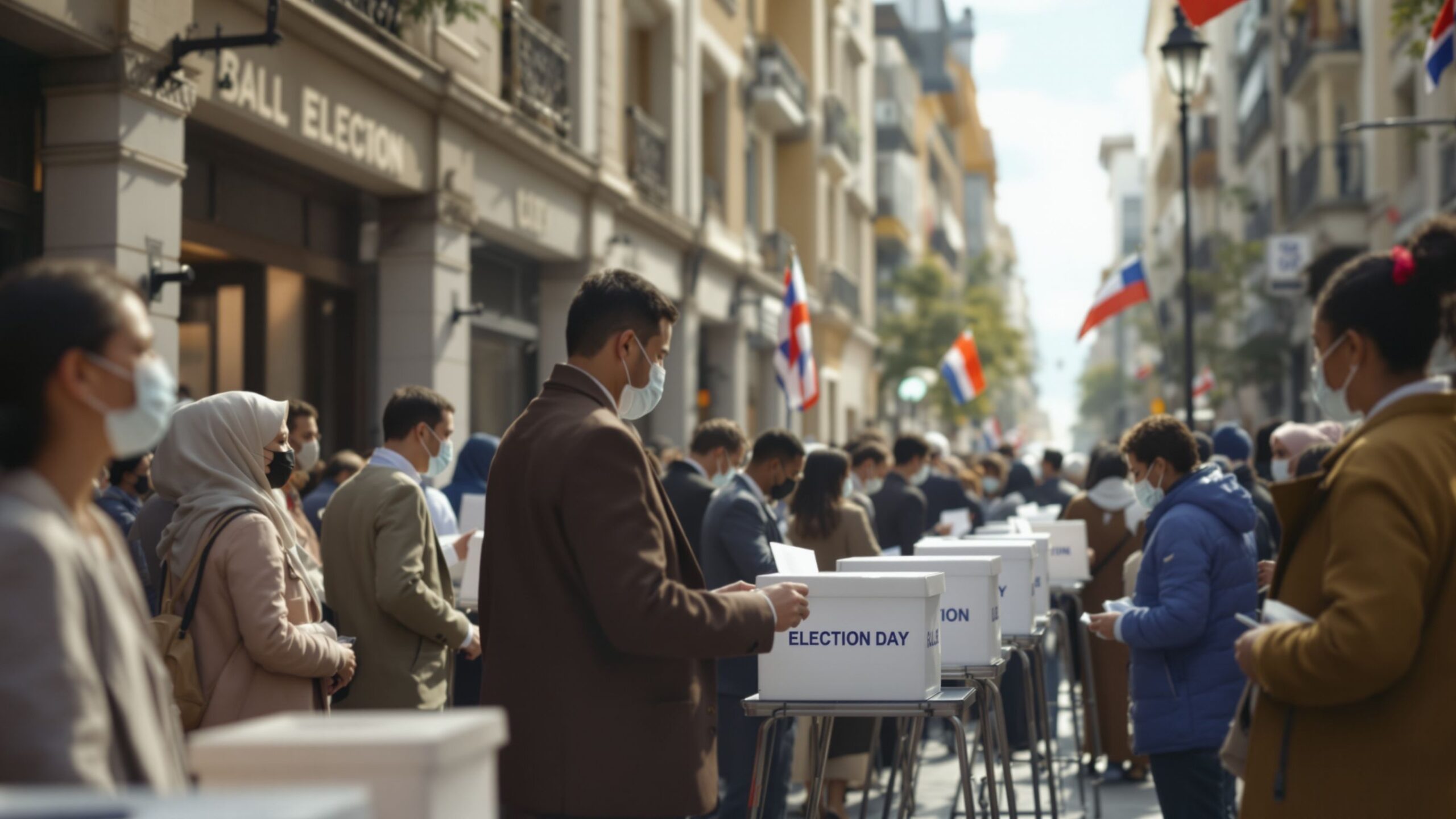
International elections offer a global window into how democracy, power, and governance take shape across cultures, systems, and societies. From parliamentary contests and presidential races to referendums and transitional elections, these events determine leadership, influence global alliances, and often signal broader shifts in political stability or reform. Each country brings its own rules, traditions, and challenges—whether it’s proportional representation, coalition governments, emerging democracies, or tightly controlled electoral environments. This Politics Street sub-category explores how elections work around the world and why they matter far beyond national borders. You’ll find insights into different voting systems, election monitoring, campaign dynamics, and the role of media and technology in shaping outcomes. We also examine landmark international elections that triggered major political change, sparked protest movements, or redefined a nation’s global role. International elections remind us that democracy is not a single model, but a spectrum of practices shaped by history and culture. Understanding them helps readers see how political power rises, shifts, and is contested on the world stage.
A: Systems vary widely, with many countries using parliamentary or proportional systems.
A: A system where parties gain seats based on their share of the vote.
A: No single party wins a majority, requiring alliances to govern.
A: No—standards vary, and some elections lack full competition or transparency.
A: They monitor elections and report on fairness and procedures.
A: Yes—new governments often shift alliances and priorities.
A: An election called earlier than scheduled.
A: Outcomes can affect trade, regulation, and stability.
A: In many countries, yes—through absentee or embassy voting.
A: Fair rules, real competition, transparency, and respect for results.