
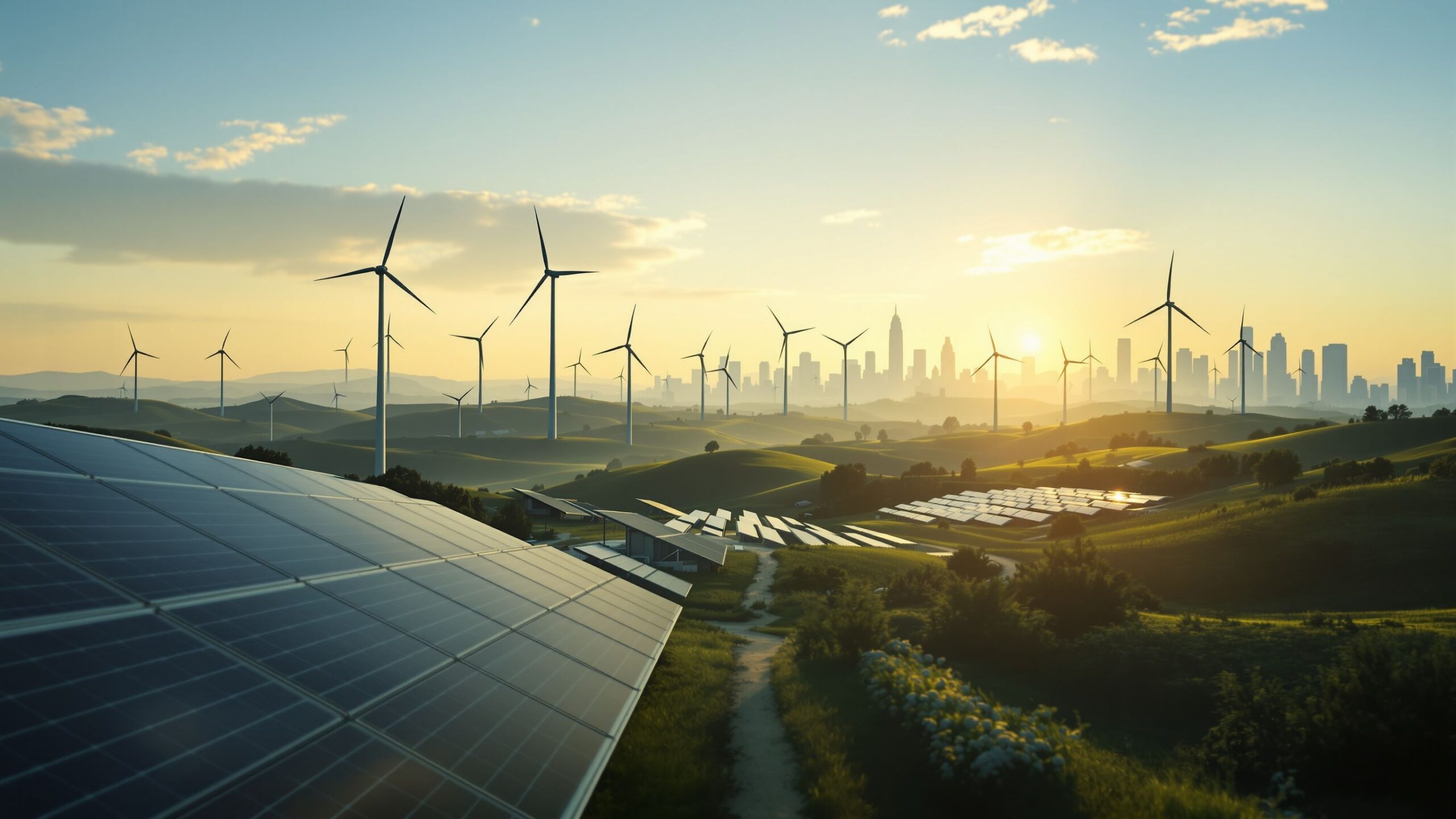
Energy & Climate Policy explores how nations power their economies while confronting the realities of a warming planet. This space examines the political choices behind energy production, environmental regulation, and climate action, revealing how decisions made today shape economies, ecosystems, and future generations. From fossil fuels and renewable energy to emissions targets, climate agreements, and energy security, these policies sit at the crossroads of science, industry, and public interest. On Politics Street, this sub-category dives into debates over clean energy transitions, climate resilience, carbon markets, and the balance between economic growth and environmental responsibility. You’ll find historical context on how energy systems developed, alongside analysis of modern challenges such as extreme weather, global supply chains, and the push toward net-zero goals. It also explores how climate and energy policies affect jobs, communities, national security, and global cooperation. Energy & Climate Policy invites readers to understand not just the technical side of energy and climate issues, but the political forces, trade-offs, and values that determine how societies respond to one of the defining challenges of our time.
A: Energy policy focuses on production and use; climate policy targets emissions and impacts.
A: Not inherently—planning, storage, and transmission are key.
A: Fuel sources, infrastructure, regulation, and demand vary.
A: A policy that assigns a cost to emissions to guide market decisions.
A: Extreme weather stresses generation, transmission, and fuel supply.
A: The share of household income spent on energy bills.
A: Yes—through utility hearings, elections, and public comment.
A: Some policies include it for low-carbon reliability; debates continue.
A: Mitigation cuts emissions; adaptation manages unavoidable impacts.
A: Stable rules encourage long-term clean energy investment.