
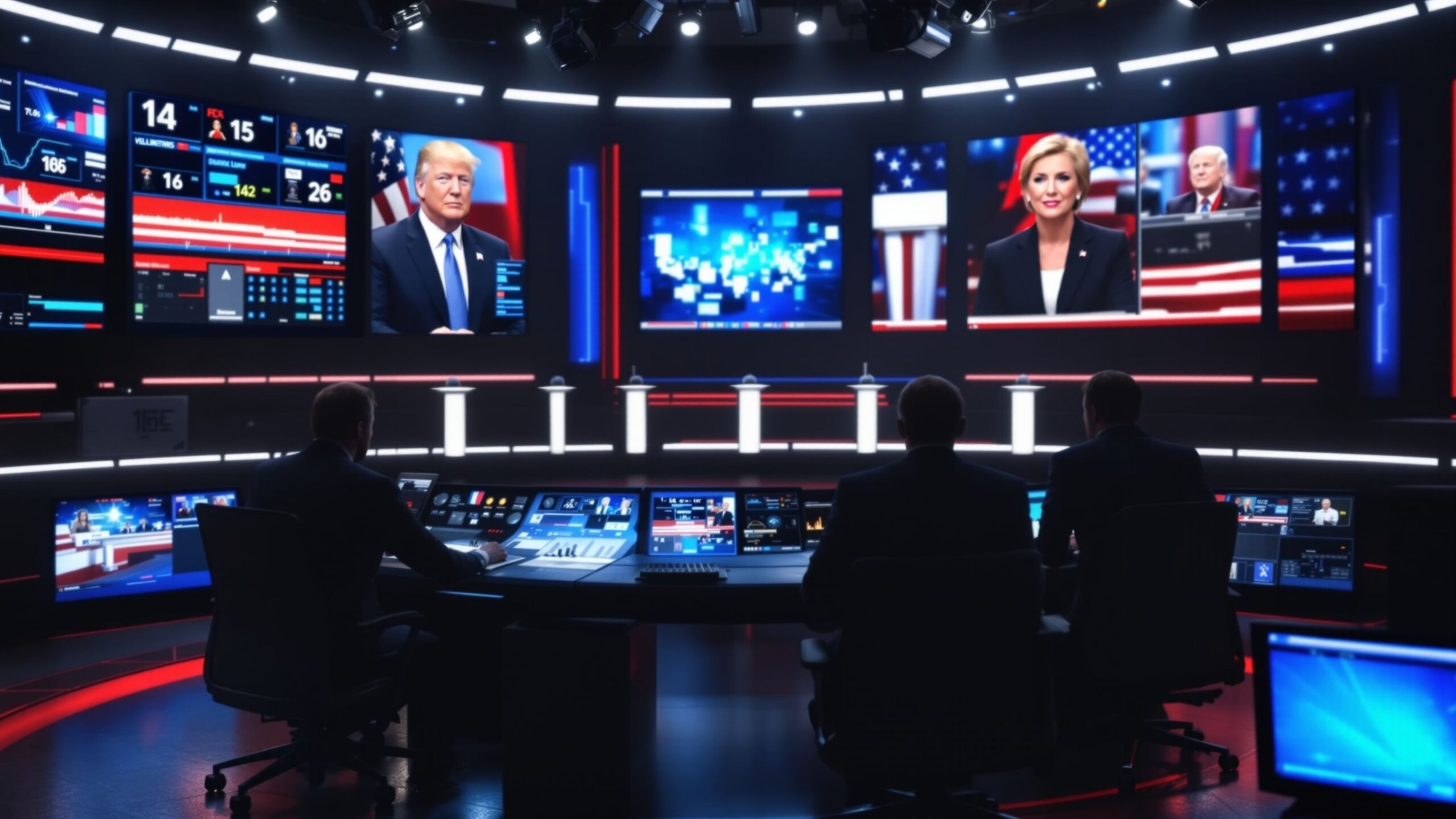
Debate streaming tools have transformed how political debates are broadcast and experienced by audiences around the world. In the past, televised debates were limited to traditional broadcast networks, reaching viewers primarily through scheduled television programming. Today, digital streaming platforms allow debates to be shared instantly across websites, social media platforms, and video services, dramatically expanding their reach and accessibility. These technologies enable political debates to be watched live by millions of viewers across multiple devices, from smartphones and tablets to computers and smart TVs. Streaming platforms also introduce new interactive features, such as real-time commentary, audience reactions, live polling, and instant fact-checking overlays that provide viewers with additional context during the debate itself. For journalists, debate streaming tools create opportunities to analyze political exchanges as they happen. Media outlets can highlight key moments, share clips across social networks, and provide immediate analysis of candidate performances. In this section, you’ll explore articles examining the platforms and technologies that power live political debate coverage and how digital streaming continues to reshape the way audiences engage with political discourse.
A: They are digital platforms and software used to broadcast political debates online.
A: Streaming allows audiences to watch debates live from anywhere in the world.
A: Many platforms allow viewers to submit questions or participate in chat discussions.
A: Yes, most platforms archive debates for later viewing and analysis.
A: Media outlets, campaigns, universities, and civic organizations.
A: Many include captions, translations, and screen-reader compatibility.
A: Yes, video conferencing tools allow candidates to join from different locations.
A: Moderation software manages speaking order, time limits, and audience questions.
A: They allow journalists, researchers, and voters to review candidate positions.
A: It has expanded audience reach and created new ways for people to engage with political discussions.