
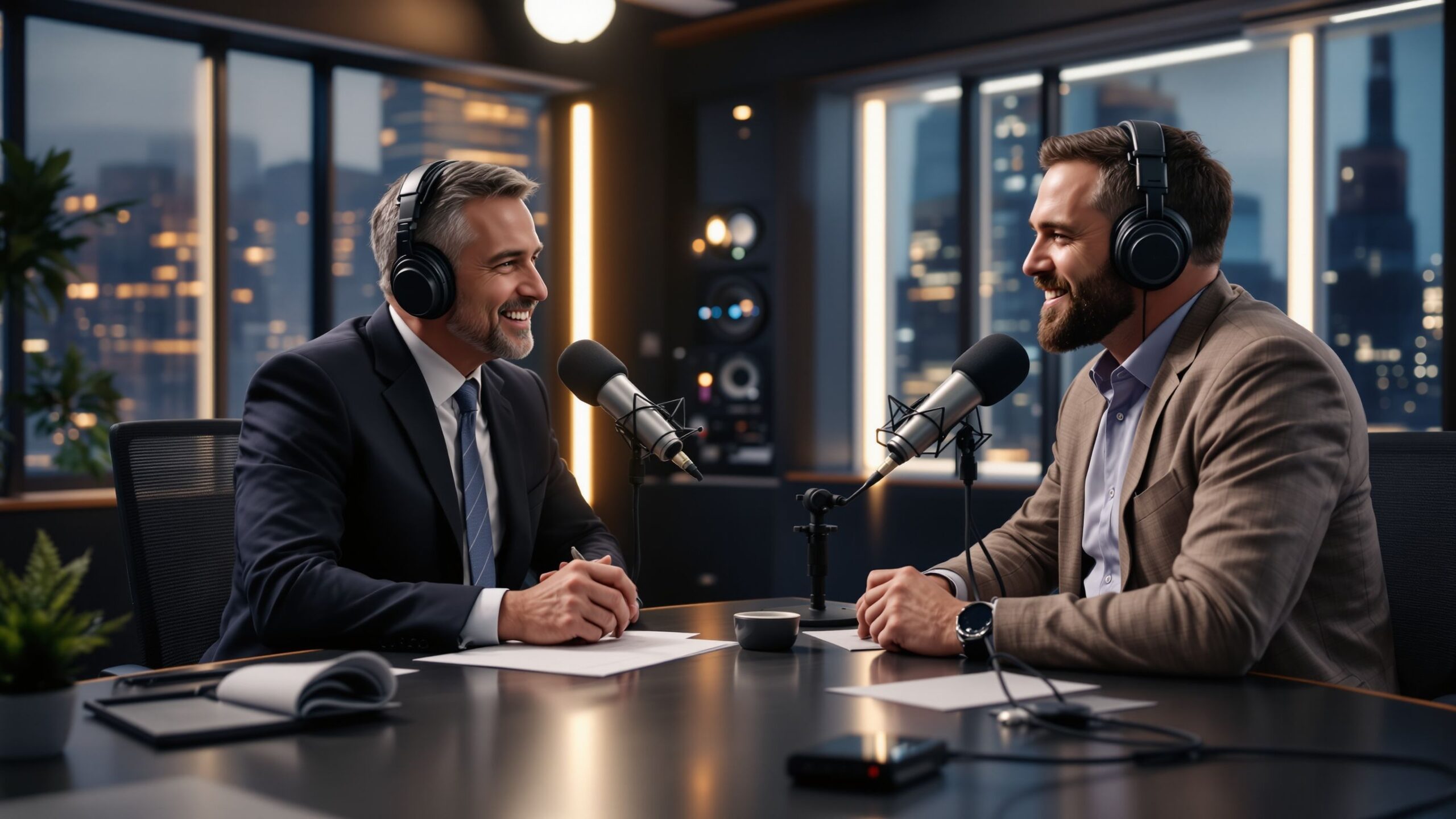
Political podcasts and audio shows have become one of the fastest-growing platforms for political journalism and commentary. With the rise of digital streaming and on-demand listening, audiences can now tune into political conversations anytime and anywhere—from daily news breakdowns during a commute to long-form interviews that explore complex issues in depth. Unlike traditional news segments that are often limited by time, podcasts allow hosts and guests to dive deeply into political topics. Journalists, analysts, historians, campaign strategists, and political leaders frequently appear on these programs, offering perspectives that reveal the strategies, debates, and decisions shaping modern politics. The conversational format also creates a more personal connection with listeners, making complicated political issues easier to understand. Political audio shows range from investigative reporting and policy analysis to opinion-driven commentary and storytelling. Some programs focus on daily political developments, while others explore historical events, campaign strategies, or the personal stories behind major political figures. In this section, you’ll explore articles that examine influential political podcasts, the voices behind them, and how audio journalism continues to reshape the way audiences engage with political news and ideas.
A: It focuses on government, elections, policy debates, public issues, or the exercise of power.
A: Many are well-researched, but listeners should compare multiple sources to understand different perspectives.
A: They allow long, relaxed conversations that explore topics more deeply than most broadcast segments.
A: Yes, some use podcasts to communicate directly with supporters and explain policy positions.
A: They often range from 20 minutes to over an hour depending on the format.
A: While they rarely decide elections alone, they can shape narratives, awareness, and voter attitudes.
A: Basic audio recording gear, editing software, and a podcast hosting platform are typically enough.
A: Generally no; podcasts operate with fewer regulatory restrictions than traditional media.
A: Through advertising, sponsorships, subscriptions, and listener donations.
A: Pay attention to sources, guest expertise, evidence presented, and whether alternative viewpoints are discussed.