
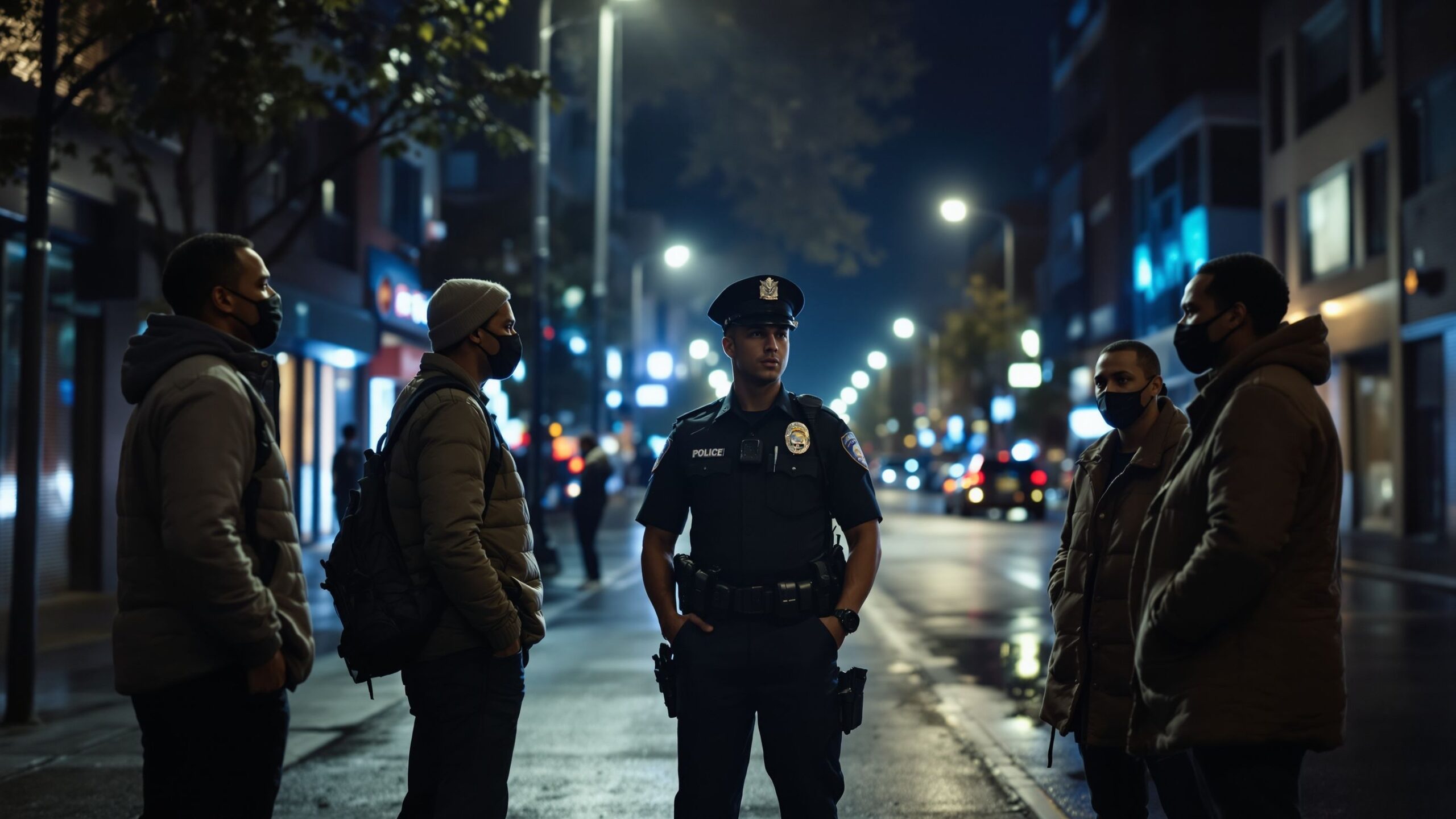
Criminal Justice & Policing examines the systems entrusted with enforcing laws, protecting communities, and delivering accountability in society. This space explores how policing practices, courts, correctional systems, and reform efforts intersect with civil rights, public trust, and political power. From everyday law enforcement encounters to high-profile cases that spark national debate, criminal justice shapes how citizens experience safety, fairness, and authority. On Politics Street, this sub-category goes beyond headlines to unpack how policies are created, how they are applied on the ground, and how historical legacies continue to influence modern outcomes. You’ll find analysis of policing strategies, use-of-force standards, sentencing laws, incarceration trends, and reform movements aimed at increasing transparency and equity. It also looks closely at the human side of the system—the officers, defendants, victims, and communities affected by its decisions. By combining historical context with current debates and data-driven insights, Criminal Justice & Policing helps readers understand not just how the system operates, but why it remains one of the most contested and consequential pillars of modern governance.
A: Reasonable suspicion can justify limited investigative steps; probable cause is a higher standard used for arrests and many searches.
A: Requirements vary; you may have to identify yourself in some places, but you generally can remain silent beyond that.
A: Typically when you’re in custody and being interrogated—routine questioning or casual contacts may not trigger it.
A: Sometimes—there are exceptions; legality often depends on probable cause, consent, or specific circumstances.
A: Get medical help if needed, document injuries, identify witnesses, and use appropriate complaint/legal channels promptly.
A: It’s an agreement to resolve a case without trial; it’s common due to caseloads and the risks/costs of trial.
A: Not always—release depends on state law, privacy rules, active investigations, and agency policy.
A: A structure where non-police bodies review complaints, policies, or incidents to add transparency and accountability.
A: Detention can pressure pleas and disrupt life; reforms aim to reduce detention while ensuring court appearance and safety.
A: Slowing situations down, using communication and distance, and calling appropriate support to reduce force and injuries.