
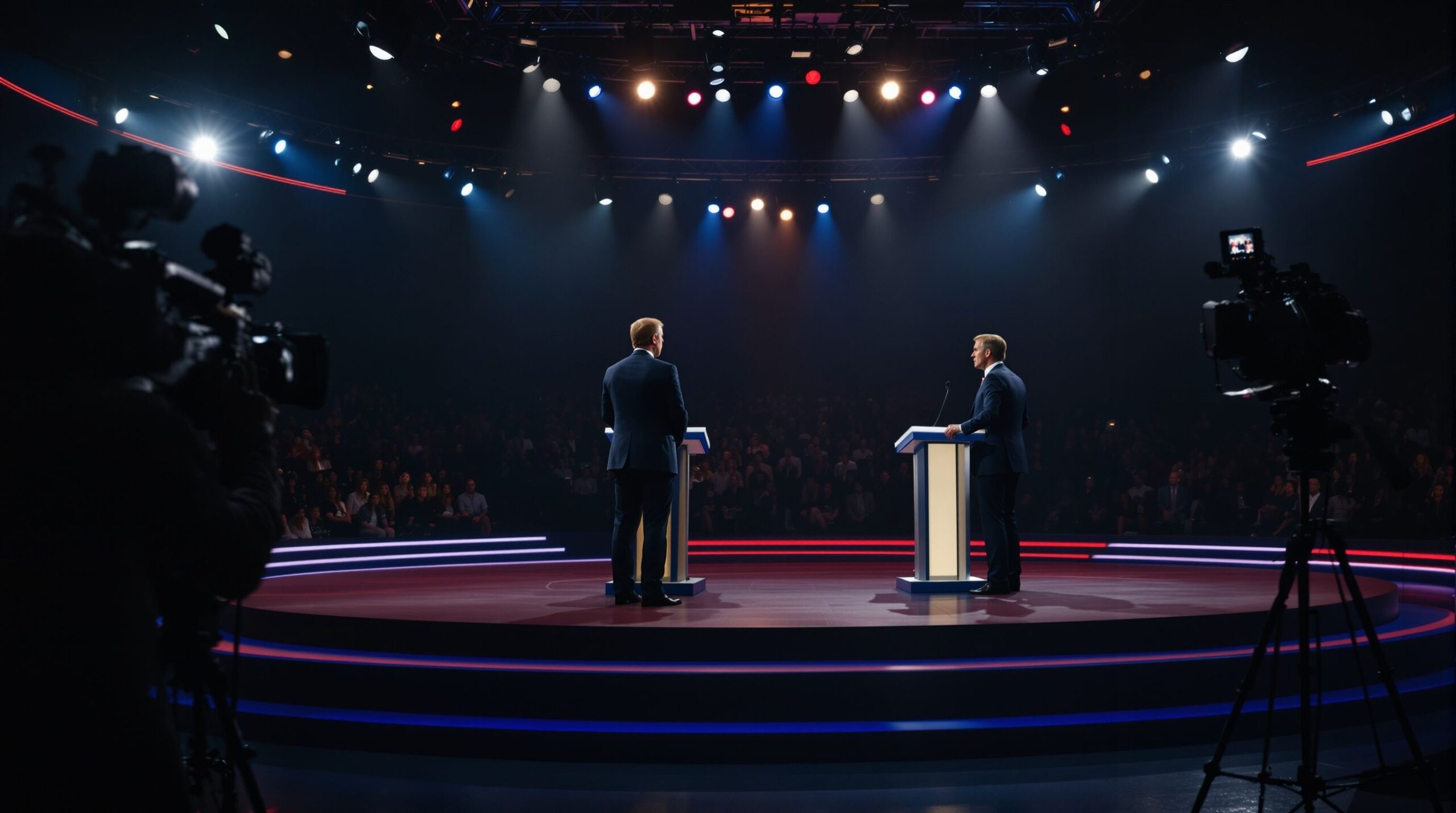
Debates and town halls are where politics becomes immediate, unscripted, and human. These events place candidates face to face with each other—and with voters—testing not just policies, but poise, clarity, and character. Televised debates can shift momentum in minutes, while town halls offer a more intimate setting where citizens ask direct questions and demand real answers. This Politics Street sub-category explores how debates and town halls are structured, why they matter, and how moments on stage can redefine entire campaigns. We break down debate formats, preparation strategies, memorable exchanges, and the role of moderators and media framing. You’ll also find analysis of historic debate moments, breakthrough performances, and missteps that echoed far beyond the room. Town halls, in particular, highlight grassroots democracy, giving voters a voice and candidates a chance to connect beyond soundbites. Together, debates and town halls reveal how ideas are challenged, narratives are shaped, and trust is built—or lost—in real time. They are not just political theater; they are pressure tests for leadership under public scrutiny.
A: Usually they reinforce views, but they can move undecided or low-information voters.
A: They often pivot to protect their message or avoid political risk.
A: Often yes, because questions come from voters and responses are less scripted.
A: Hosting organizations, campaigns, and broadcasters negotiate formats and criteria.
A: Clarity, consistency, leadership style, and respect for facts.
A: They shape media narratives, not actual vote counts.
A: They vary—voters should consult multiple credible sources.
A: Yes, especially frontrunners, but it can carry political costs.
A: Usually days or weeks unless a major moment occurs.
A: Compare answers over time and across formats, not just one performance.