
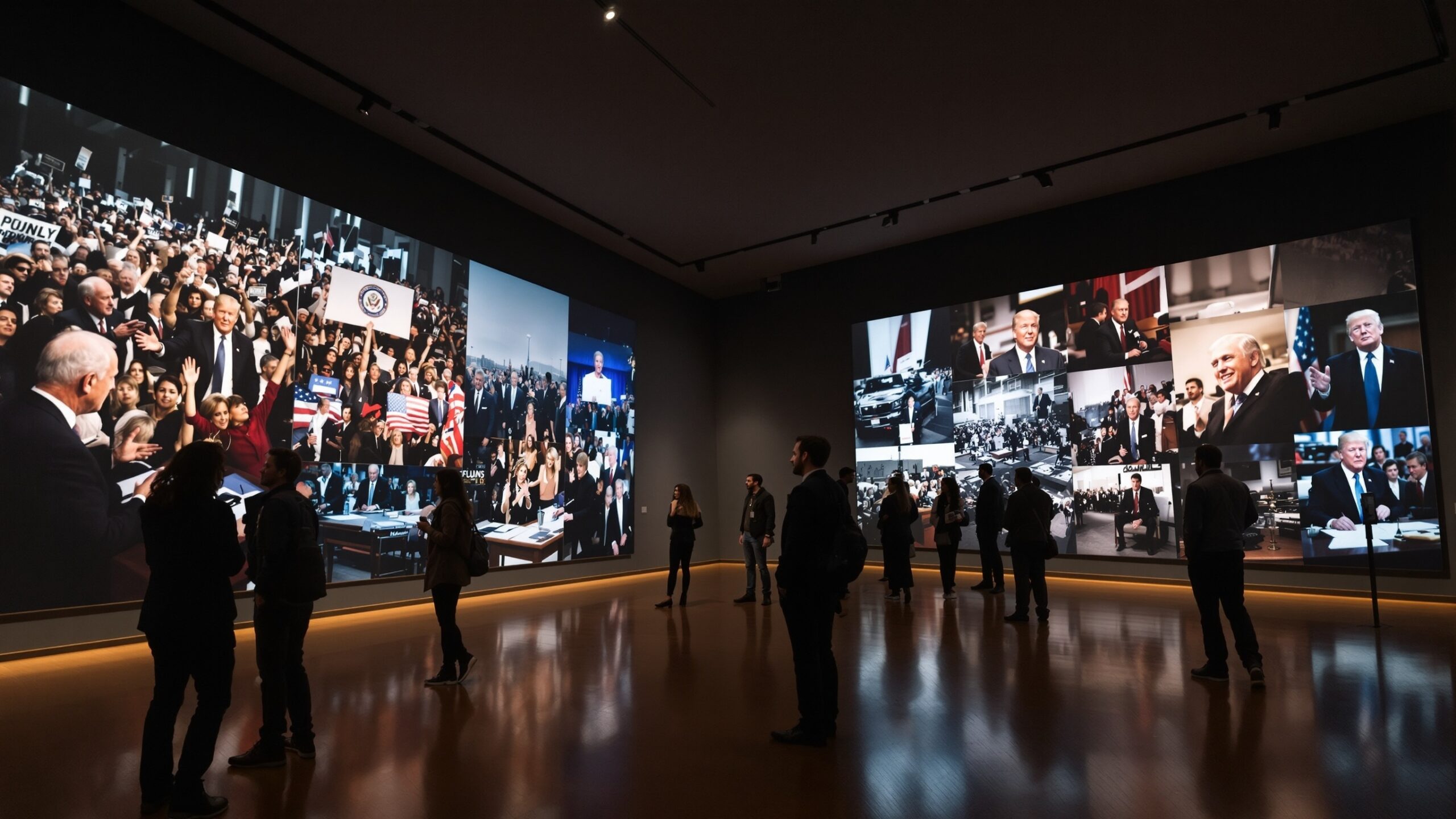
Politigraphs is where politics becomes visual—a dynamic gallery experience that captures the energy, emotion, and evolution of power across time and continents. This collection transforms political history and modern events into a vivid tapestry of images, each one offering a front-row seat to the moments that shaped nations. From electrifying campaign rallies and tense debate stages to landmark legislation signings and global summits, Politigraphs brings the political world to life with cinematic clarity. Each gallery showcases carefully curated visual stories: portraits of influential leaders, snapshots of grassroots movements, behind-the-scenes glimpses of campaign strategy, and documentary-style frames that reveal the human pulse behind public decisions. These images don’t just illustrate history—they illuminate context, highlight emotion, and spark deeper understanding. Whether you’re exploring iconic photographs, analyzing the imagery behind political messaging, or discovering unfamiliar stories through compelling visuals, Politigraphs offers a captivating way to experience politics. This is where art meets governance, where moments meet meaning, and where every frame has something powerful to say.
A: Look for clear labels, cited sources, methodology notes, and access to underlying data.
A: They may use different years, definitions, or datasets—check the fine print.
A: It shows the range within which the true value likely falls, given the sample size and method.
A: Maps show geography, not population density—small areas can visually dominate.
A: Check scales, timeframes, and whether multiple relevant indicators are shown.
A: Zoomed scales can highlight small changes but should be clearly labeled and interpreted with care.
A: Yes—many public data portals encourage reuse with proper attribution.
A: Compare definitions, time ranges, and indicators; both may be highlighting different aspects.
A: Start with open datasets, choose a clear question, and pick simple chart types and labels.
A: Many libraries, schools, and civic organizations offer resources on interpreting charts and graphs.