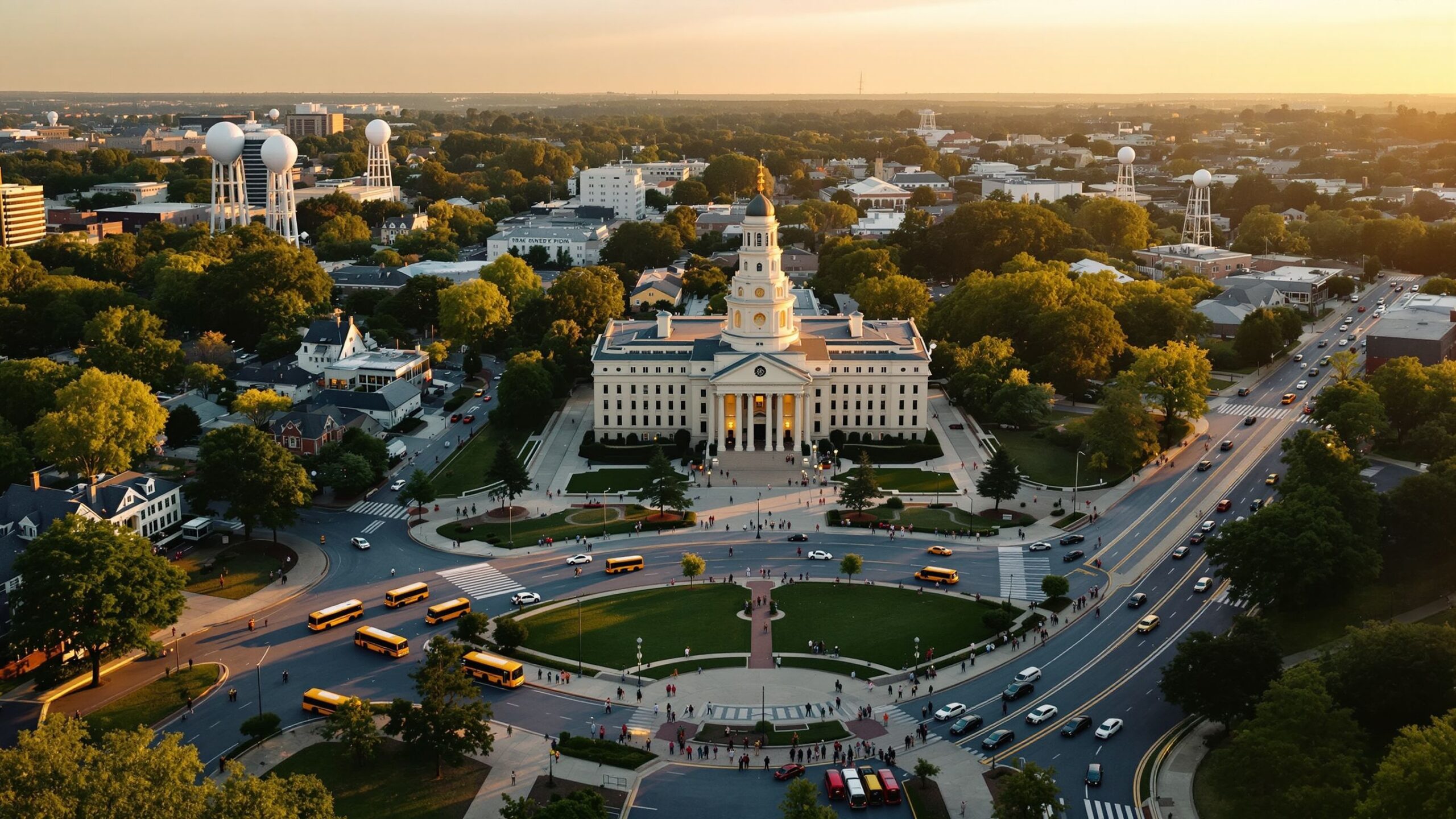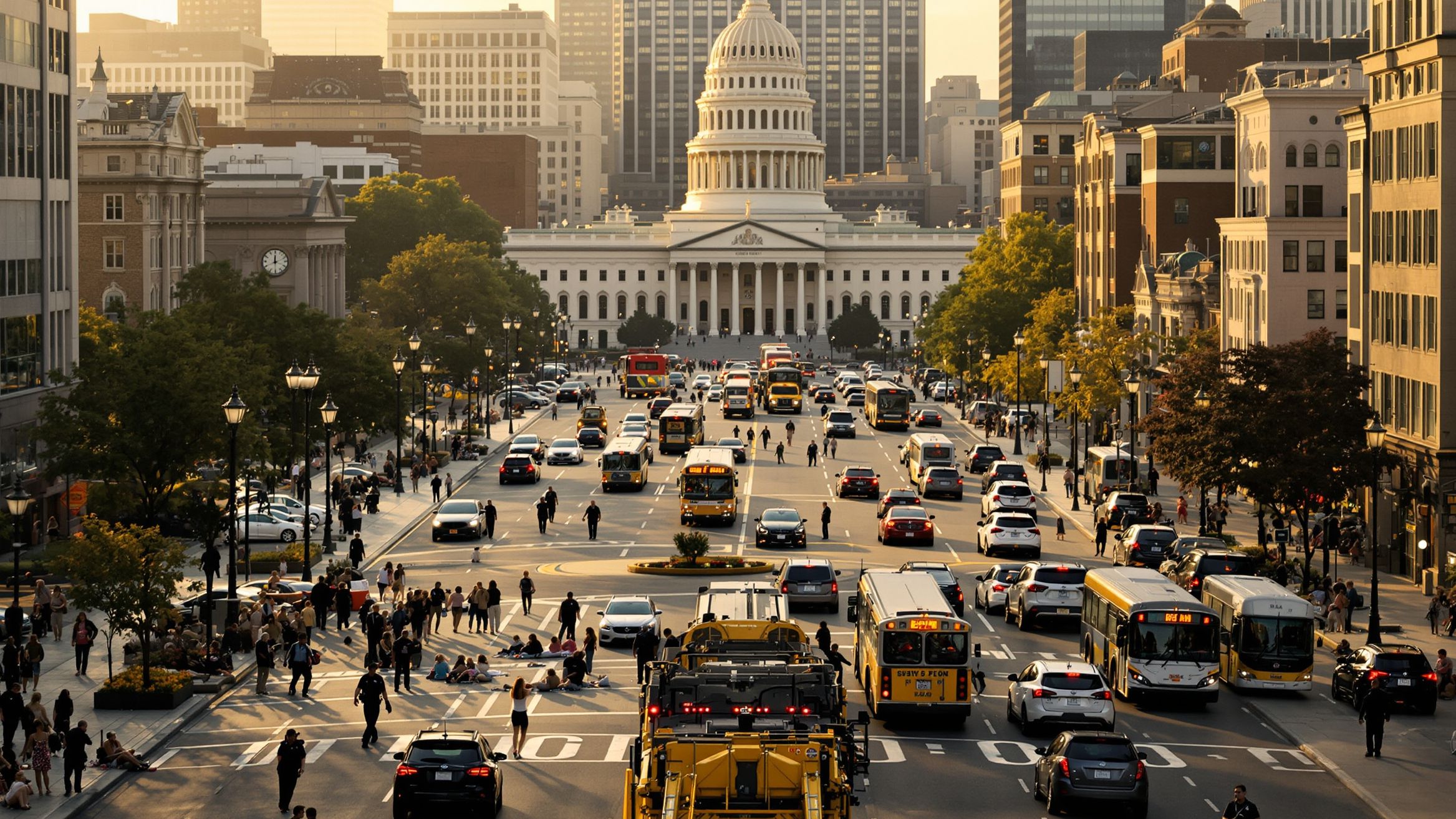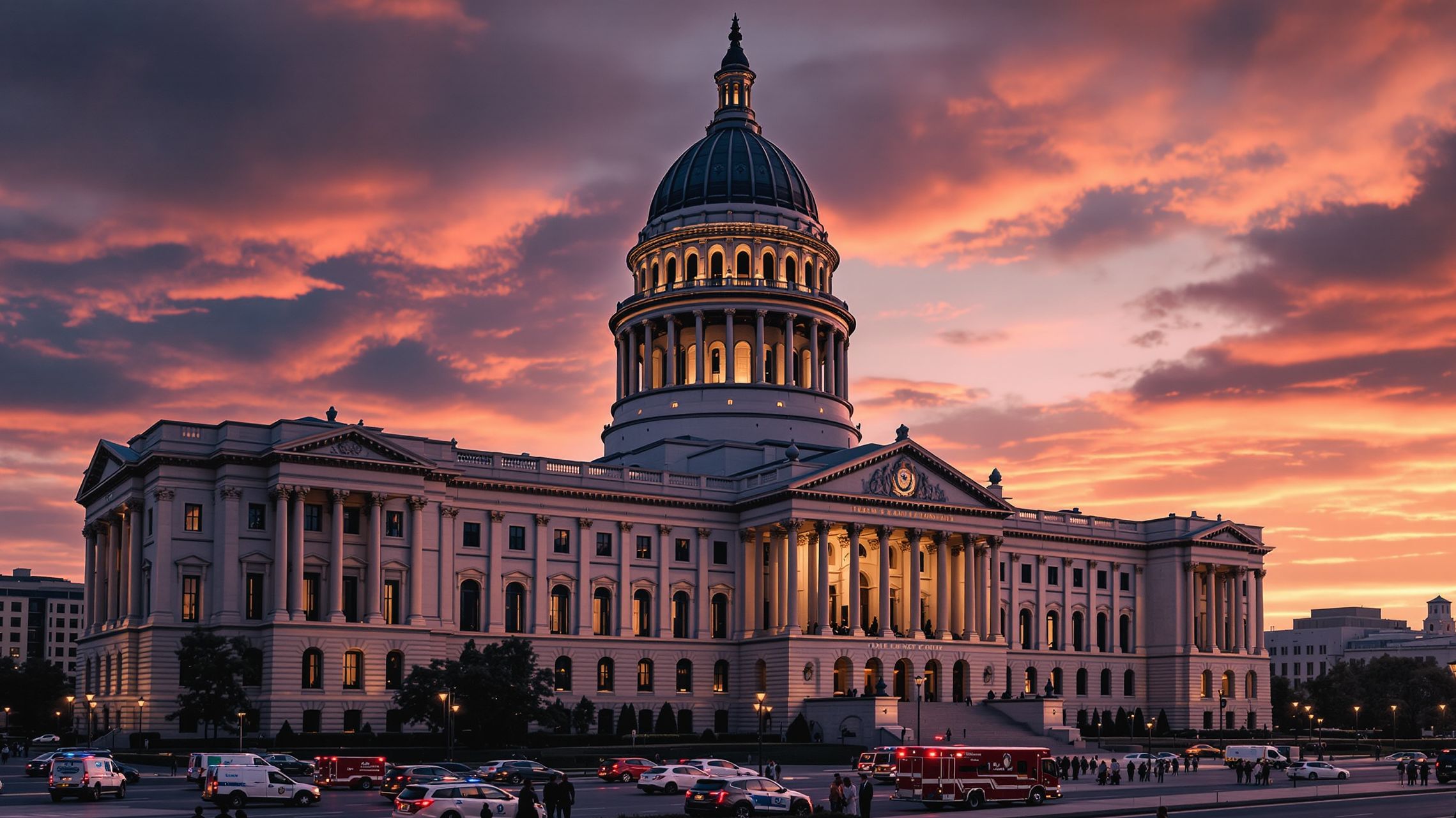
State governments hold enormous power within the American political system and play a major role in shaping everyday life across the United States. While the federal government handles national issues such as foreign policy, military defense, and international trade, state governments control many of the laws, services, and public systems people interact with daily. Education, transportation, healthcare programs, criminal justice systems, elections, public safety, infrastructure, and business regulations are all heavily influenced by state government authority.
The United States was designed as a federal system, meaning power is divided between the national government and individual states. This structure allows states to govern many of their own affairs while still operating under the broader authority of the U.S. Constitution. As a result, states have the ability to create laws, regulate industries, collect taxes, manage public programs, and oversee services that directly affect millions of residents.
Because each state has significant authority, laws and policies can vary greatly across the country. Tax rates, education systems, healthcare programs, business regulations, criminal justice laws, and voting procedures may differ dramatically from one state to another. This flexibility allows states to address regional needs, economic conditions, and local priorities in different ways.
Understanding what powers state governments have helps explain how American government functions beyond the federal level. State governments often have more influence over daily life than many people realize, shaping communities through decisions involving schools, roads, healthcare systems, public safety, and economic policy.
A: States create laws and oversee systems involving education, healthcare, transportation, elections, and public safety.
A: It reserves powers not given to the federal government for the states and the people.
A: Governors lead executive branches alongside legislatures and court systems.
A: Yes, but federal law generally overrides conflicting state law.
A: States oversee highways, public universities, prisons, elections, and statewide healthcare programs.
A: They shape policies and services that directly affect residents’ daily lives.
A: They interpret state laws and constitutions while resolving legal disputes.
A: Yes, governors can issue emergency declarations during disasters and crises.
A: Through taxes, fees, federal grants, and state-managed revenue systems.
A: It describes how states often experiment with new laws and policy ideas.
State Governments Create and Enforce Laws
One of the most important powers held by state governments is the authority to create and enforce state laws. State legislatures pass laws covering a wide range of issues that affect residents within the state’s borders.
These laws may involve criminal justice systems, education standards, labor protections, healthcare regulations, environmental rules, housing policies, transportation systems, and consumer protections.
Every state has its own legislative branch responsible for creating laws. Most state legislatures are divided into two chambers similar to Congress, although the structure may vary slightly between states.
Once laws are passed, governors can sign or veto legislation. State courts then interpret and enforce those laws through the judicial system.
Because states control many legal areas independently, laws involving issues such as taxes, gun regulations, marijuana policy, traffic laws, and business requirements can vary significantly depending on the state.
States Control Public Education Systems
Education is one of the largest responsibilities handled by state governments. While local school districts manage many day-to-day operations, states establish the overall framework for public education systems.
State governments set educational standards, graduation requirements, curriculum guidelines, teacher certification rules, and statewide testing systems.
States also distribute funding to public schools and oversee public university systems. This includes managing state colleges, universities, financial aid programs, and workforce training initiatives.
Because states have broad authority over education, school policies and funding levels may differ greatly across the country. Some states invest heavily in public education and university systems, while others prioritize lower taxes or alternative educational approaches.
State governments also influence education policy debates involving school choice programs, charter schools, standardized testing, and curriculum requirements.
States Operate Criminal Justice Systems
State governments have major authority over criminal law and public safety systems. Most crimes prosecuted in the United States fall under state law rather than federal law.
State governments operate prison systems, oversee state courts, and manage statewide law enforcement agencies such as highway patrol or state police departments.
State legislatures determine criminal penalties, sentencing guidelines, parole systems, and correctional policies.
State courts handle criminal cases, civil lawsuits, family law disputes, and constitutional questions involving state law.
Public safety responsibilities also include emergency response coordination, disaster preparedness programs, and statewide emergency management systems.
States Manage Transportation and Infrastructure
Transportation systems are another major area of state government authority. States oversee highways, bridges, transportation safety programs, and vehicle licensing systems.
State transportation departments maintain interstate highways, state roads, and major bridge infrastructure projects. They also regulate traffic safety standards and oversee driver licensing programs.
States often coordinate transportation funding for local governments and large infrastructure improvement projects.
Public transit systems may involve partnerships between state and local agencies depending on the size and complexity of transportation networks.
Infrastructure management is one of the most expensive responsibilities for state governments because roads, bridges, water systems, and utility infrastructure require continuous maintenance and modernization.
States Collect Taxes and Manage Budgets
State governments have the power to collect taxes and manage public spending through statewide budgets.
Common state taxes include income taxes, sales taxes, fuel taxes, corporate taxes, and licensing fees.
Tax revenue funds public education, healthcare programs, law enforcement agencies, transportation systems, correctional facilities, and social service programs.
Each state creates its own budget based on economic conditions, political priorities, and public needs.
Budget decisions often become major political issues because state governments must balance demands for public services with concerns involving taxation and economic growth.
Some states rely heavily on income taxes, while others depend more on sales taxes, tourism revenue, or natural resource industries.
States Administer Healthcare Programs
State governments play critical roles in managing healthcare systems and public health programs.
States help administer Medicaid programs, oversee healthcare licensing systems, regulate insurance markets, and manage public health departments.
State health agencies monitor disease outbreaks, coordinate vaccination programs, and regulate hospitals, nursing homes, and healthcare providers.
Mental health services, addiction treatment programs, and healthcare assistance initiatives are also heavily influenced by state policy decisions.
Public health emergencies such as pandemics, environmental hazards, and healthcare shortages often require strong state-level coordination and response planning.
States Oversee Elections
State governments are primarily responsible for running elections within their borders.
States establish voter registration systems, voting procedures, election security rules, ballot requirements, and certification processes for election results.
Election laws involving mail-in voting, voter identification requirements, early voting periods, and ballot access vary significantly between states.
State officials also oversee congressional elections, presidential elections, and statewide races involving governors, attorneys general, and legislative offices.
Because states control many election procedures, they play major roles in shaping how American democracy functions at both the state and national level.
States Regulate Businesses and Industries
State governments regulate many industries operating within their borders.
States issue business licenses, enforce labor laws, regulate insurance markets, oversee professional licensing systems, and establish environmental and workplace standards.
Businesses often must comply with both federal regulations and state-specific requirements depending on where they operate.
State governments may also create economic development programs designed to attract businesses, create jobs, and encourage investment.
Different states often compete economically by offering different tax structures, regulatory environments, and business incentives.
States Protect Natural Resources and the Environment
Environmental management is another major state government responsibility.
State environmental agencies regulate pollution, oversee land conservation efforts, manage water resources, and enforce environmental standards.
States also help coordinate responses to environmental disasters such as oil spills, wildfires, droughts, flooding, and severe storms.
Natural resource management involving forests, wildlife, fisheries, agriculture, and mining operations may also fall under state authority.
Environmental priorities often vary depending on geography and local industries. Coastal states may focus heavily on hurricane preparedness and shoreline protection, while western states may prioritize wildfire management and drought planning.
States Can Create Their Own Constitutions
One unique power held by states is the ability to create and maintain their own constitutions.
Every state has its own constitution outlining the structure of state government and the rights of residents within the state.
State constitutions must still follow the U.S. Constitution, but they can provide additional protections and establish unique systems of government organization.
State constitutions influence areas such as taxation limits, election procedures, education systems, and legislative powers.
Some state constitutions are far longer and more detailed than the federal Constitution because they address a wider variety of local governance issues.
States Supervise Local Governments
State governments have authority over local governments such as cities, counties, and municipalities.
Local governments exist because states legally authorize them to operate.
States establish the rules determining what powers local governments have regarding taxation, zoning, policing, infrastructure, and public services.
In some cases, states may restrict or expand local government authority depending on political and legal priorities.
This relationship can create conflicts when cities or counties want policies that differ from statewide leadership priorities.
Emergency Powers and Crisis Response
Governors and state governments hold emergency powers that become especially important during disasters and crises.
State leaders can declare emergencies, mobilize the National Guard, coordinate evacuations, and direct emergency response efforts during hurricanes, wildfires, floods, pandemics, and civil emergencies.
State emergency management agencies coordinate with local governments and federal agencies during large-scale crises.
These powers allow states to respond quickly to regional emergencies that require immediate coordination and resource deployment.
Why State Government Powers Matter
State government powers matter because they directly shape the daily experiences of residents across the country.
State decisions influence education quality, transportation systems, healthcare access, criminal justice policies, tax rates, environmental protections, and economic development opportunities.
Because states have broad authority, people living in different states may experience very different laws, public services, and policy priorities.
This flexibility allows states to experiment with different approaches to governance while addressing regional needs and economic conditions.
Challenges Facing State Governments
State governments face growing challenges involving infrastructure aging, healthcare costs, housing shortages, climate risks, cybersecurity threats, and population growth.
Balancing budgets while funding public services remains one of the biggest challenges for many states.
Rapid technological change also requires states to modernize digital infrastructure, protect sensitive data, and improve cybersecurity systems.
Natural disasters and climate-related emergencies continue increasing pressure on emergency management systems and long-term infrastructure planning.
Political polarization has also made it more difficult in some states to pass legislation and reach agreements on major policy issues.
Conclusion
State governments hold extensive powers that influence nearly every aspect of life within the United States. From education and transportation to healthcare, criminal justice, taxation, and environmental protection, states manage many of the systems people rely on daily.
The American federal system allows states to create laws and policies tailored to their own populations, economies, and priorities while still operating under the broader framework of the Constitution.
Understanding what powers state governments have helps explain why laws and public services can vary dramatically across the country. These governments shape communities, influence economic growth, maintain public safety, and provide essential public services for millions of Americans.
As the nation continues facing new challenges involving technology, healthcare, infrastructure, and climate change, state governments will remain central to shaping the future of American society and governance.