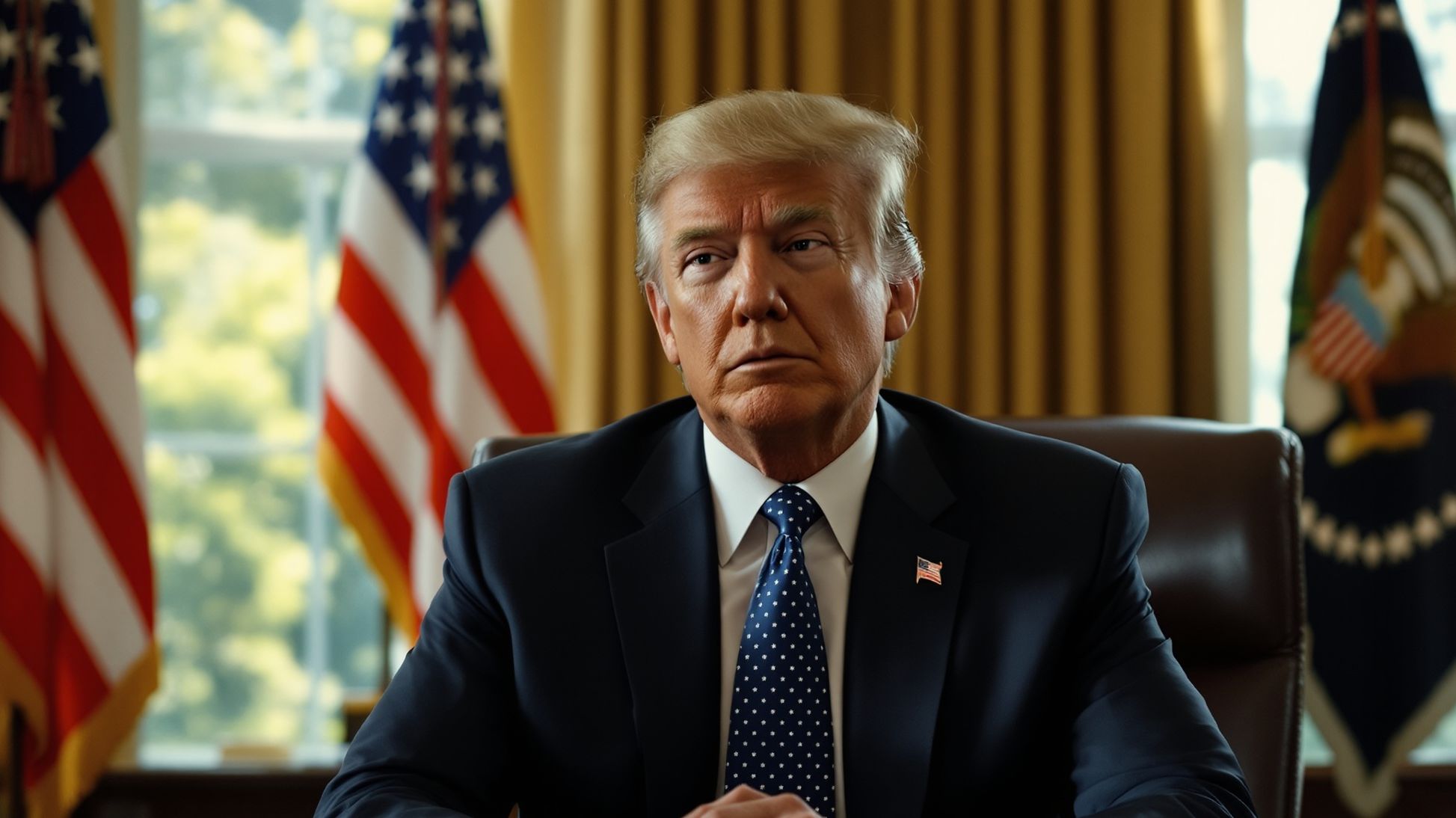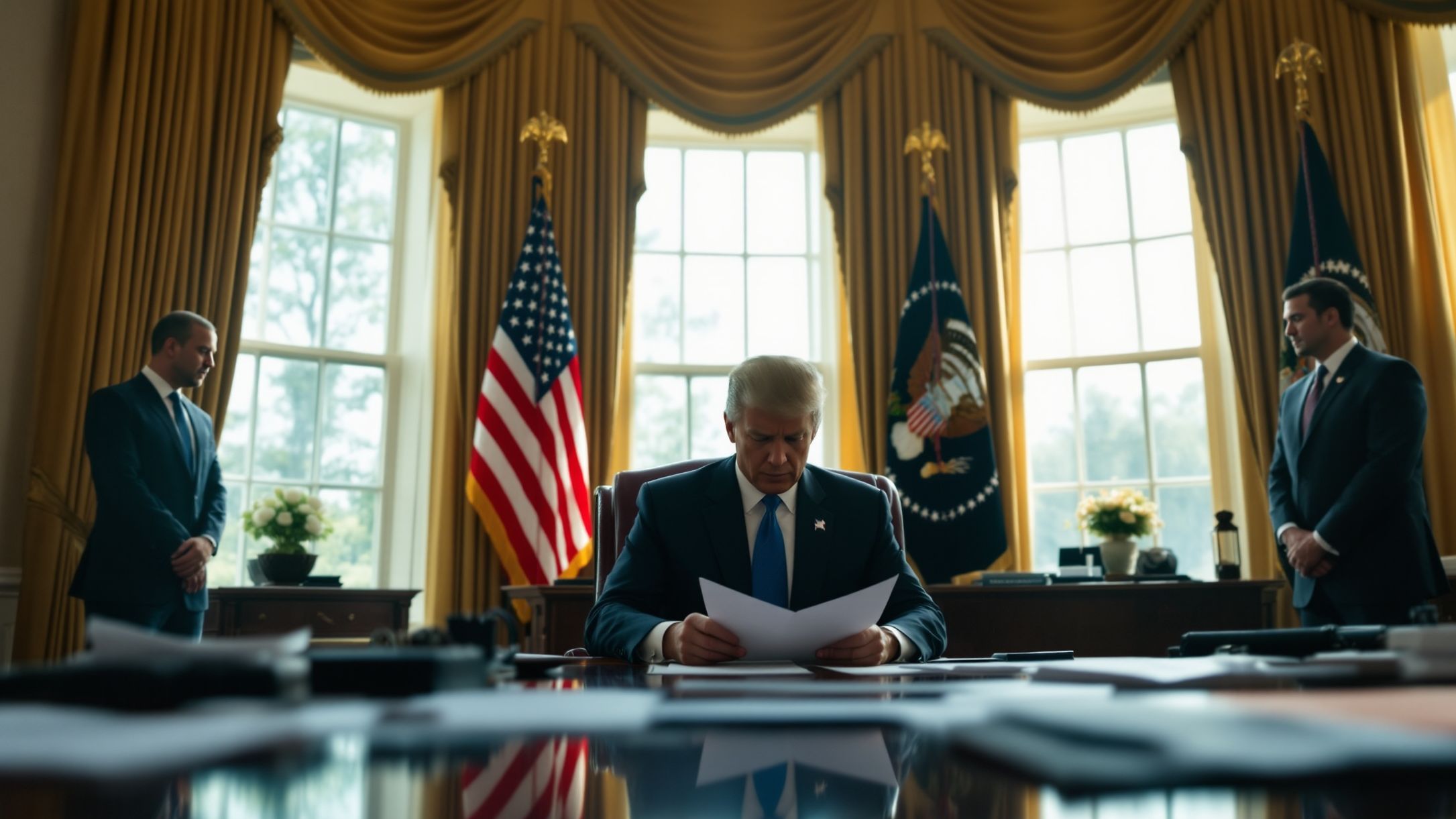
The presidency of the United States is one of the most powerful and visible roles in the world, yet it is often misunderstood. Many people associate the president with speeches, headlines, and major decisions, but the true scope of the job extends far beyond what is seen on television or social media. The president serves as the nation’s chief executive, a symbol of unity, a global diplomat, and the leader of the federal government—all at once. Understanding what the president actually does requires looking at the constitutional foundations, the day-to-day responsibilities, and the real-world influence that comes with the office.
A: No. Congress makes laws, but the president can sign or veto legislation and influence what gets proposed.
A: The president commands the military, but Congress has the constitutional power to declare war and control funding.
A: It is a directive from the president that tells the executive branch how to carry out existing law.
A: Not everyone. Some officials serve at the president’s pleasure, while others have legal protections or fixed terms.
A: No. A president can influence policy, but markets, Congress, the Federal Reserve, and global events also matter.
A: It means the president leads the armed forces, though military action still operates within legal and constitutional limits.
A: No. The president nominates, and the Senate must confirm.
A: The president can pardon federal offenses, but not state crimes, and not impeachment cases.
A: No. The president leads only the executive branch, while Congress and the courts remain separate.
A: Because the office combines legal authority, media attention, crisis leadership, and national visibility in one person.
The Constitutional Foundation of Presidential Power
The role of the president is rooted in Article II of the U.S. Constitution, which establishes the executive branch of government. The Constitution outlines a framework rather than a detailed job description, giving the president both defined powers and broad responsibilities. This flexibility has allowed the office to evolve over time, adapting to the needs of a growing and changing nation.
At its core, the Constitution grants the president the authority to execute federal laws, command the military, negotiate treaties, and appoint key government officials. However, these powers are balanced by the legislative and judicial branches, ensuring that no single part of government becomes too dominant. This system of checks and balances is essential to understanding the limits and influence of the presidency.
The President as Chief Executive
One of the president’s primary responsibilities is serving as the chief executive of the federal government. This means overseeing the implementation and enforcement of laws passed by Congress. The federal government is a massive system made up of departments and agencies, each responsible for specific areas such as defense, education, healthcare, and transportation.
The president appoints the heads of these departments, known as the Cabinet, as well as numerous other officials who help run the executive branch. These individuals advise the president and carry out policies on a national scale. While the president does not personally manage every detail, they set the direction and priorities that guide federal operations.
Executive orders are one of the tools presidents use to direct government action. These orders allow the president to manage how laws are implemented without needing new legislation. While powerful, executive orders are not unlimited; they must be based on existing laws or constitutional authority and can be challenged in court.
The President as Commander in Chief
Another major responsibility is serving as commander in chief of the armed forces. This role places the president at the top of the military chain of command, giving them the authority to direct military operations and respond to national security threats.
Although the president can deploy troops and make strategic decisions, Congress holds the power to declare war and control military funding. This division ensures that decisions about war and peace involve multiple branches of government.
In practice, modern presidents often make rapid decisions during crises, working closely with military leaders and intelligence agencies. From authorizing missions to managing international conflicts, the commander-in-chief role requires both strategic thinking and careful judgment.
The President as Chief Diplomat
The president also acts as the nation’s chief diplomat, representing the United States on the global stage. This involves negotiating treaties, meeting with foreign leaders, and shaping international policy. Through diplomacy, the president works to maintain alliances, resolve conflicts, and promote national interests abroad.
Treaties negotiated by the president must be approved by the Senate, reflecting the shared responsibility between branches of government. In addition to formal agreements, presidents engage in ongoing diplomatic efforts that influence global relationships.
Foreign policy decisions can have long-lasting effects, shaping trade agreements, security partnerships, and international cooperation. The president’s ability to communicate and negotiate effectively is crucial in maintaining the country’s position in the world.
The President as Legislative Leader
While the president is not a member of Congress, they play a significant role in the legislative process. Presidents propose policies, advocate for laws, and work with lawmakers to shape national priorities. Through speeches, public appearances, and direct communication with Congress, the president influences the direction of legislation.
One of the most important tools in this role is the power to veto bills passed by Congress. If the president disagrees with a piece of legislation, they can reject it, forcing Congress to reconsider or override the veto with a supermajority vote.
The president also delivers the State of the Union address, outlining goals and priorities for the coming year. This speech serves as both a report on the nation’s condition and a roadmap for future policy.
The President as Head of State
Beyond policy and governance, the president serves as the symbolic leader of the nation. This role, known as head of state, involves representing the country at official events, ceremonies, and national moments of significance.
From welcoming foreign dignitaries to addressing the nation during times of crisis, the president embodies the unity and identity of the United States. This aspect of the role is less about decision-making and more about leadership, communication, and public trust.
The head-of-state role becomes especially important during challenging times, such as natural disasters or national tragedies. In these moments, the president’s words and actions can provide reassurance and direction to the public.
The President as Economic Leader
The president also plays a key role in shaping the nation’s economic policies. While Congress controls taxation and spending, the president influences economic direction through proposals, budgets, and policy initiatives.
Each year, the president submits a budget proposal outlining priorities for federal spending. This document reflects the administration’s goals and serves as a starting point for negotiations with Congress.
Economic leadership also involves responding to financial crises, promoting job growth, and addressing issues such as inflation and trade. Presidents work closely with economic advisors and agencies to develop strategies that impact both national and global markets.
The President’s Role in Appointments and the Judiciary
One of the most lasting impacts a president can have is through appointments. The president nominates judges to federal courts, including the Supreme Court, as well as ambassadors and other key officials.
These appointments require Senate confirmation, ensuring a balance of power. Judicial appointments, in particular, can shape the interpretation of laws for decades, influencing decisions on critical issues such as civil rights, healthcare, and environmental policy.
By selecting individuals who align with their vision, presidents leave a lasting imprint on the government and legal system.
The Daily Life of the President
While the title carries immense authority, the daily life of the president is filled with constant demands. A typical day includes briefings on national security, meetings with advisors, discussions with lawmakers, and public engagements.
The president receives a daily intelligence briefing that provides updates on global events and potential threats. This information helps guide decisions and ensures awareness of critical developments.
In addition to policy work, the president must communicate with the public, often addressing the nation or responding to current events. Balancing these responsibilities requires discipline, adaptability, and the ability to make decisions under pressure.
Checks, Balances, and Limits of Power
Despite the power associated with the presidency, the role is not absolute. The system of checks and balances ensures that the president’s actions can be reviewed and limited by other branches of government.
Congress can pass laws, control funding, and override vetoes, while the judiciary can interpret laws and rule on their constitutionality. This structure prevents any single branch from gaining too much control.
Public opinion also plays a significant role in shaping presidential power. Elections, media coverage, and public response influence the president’s ability to lead and implement policies.
The Evolution of the Presidency
The presidency has evolved significantly since the nation’s founding. Early presidents operated with limited staff and communication tools, while modern presidents lead a vast and complex government supported by advanced technology and global connectivity.
Over time, the role has expanded to address new challenges, including economic globalization, cybersecurity, and environmental concerns. Each president brings their own approach, shaping the office in ways that reflect the needs of their time.
This evolution highlights the flexibility of the presidency and its ability to adapt to changing circumstances while maintaining its core responsibilities.
Why Understanding the Presidency Matters
Understanding what the president actually does is essential for informed citizenship. The decisions made by the president affect nearly every aspect of life, from national security to economic stability and social policies.
By recognizing the responsibilities and limitations of the role, citizens can better evaluate leadership, participate in elections, and engage with the democratic process. The presidency is not just about one individual; it is a central part of a system designed to represent and serve the people.
The Reality Behind the Power
The presidency is often viewed through the lens of power, but it is equally a role of responsibility, accountability, and constant decision-making. Behind every policy, speech, and action is a complex process involving advisors, institutions, and the broader framework of government.
While the president holds significant authority, their effectiveness depends on collaboration, communication, and the ability to navigate challenges. The office is both a position of leadership and a test of judgment, requiring a balance between vision and practicality.
The Presidency in Action
The president of the United States wears many hats—chief executive, commander in chief, diplomat, legislator, and symbol of the nation. Each responsibility contributes to the overall function of the government and the direction of the country. Understanding these roles provides a clearer picture of how the presidency operates and why it matters. It is not simply a position of power, but a dynamic and demanding role that shapes the future of the nation and its place in the world.