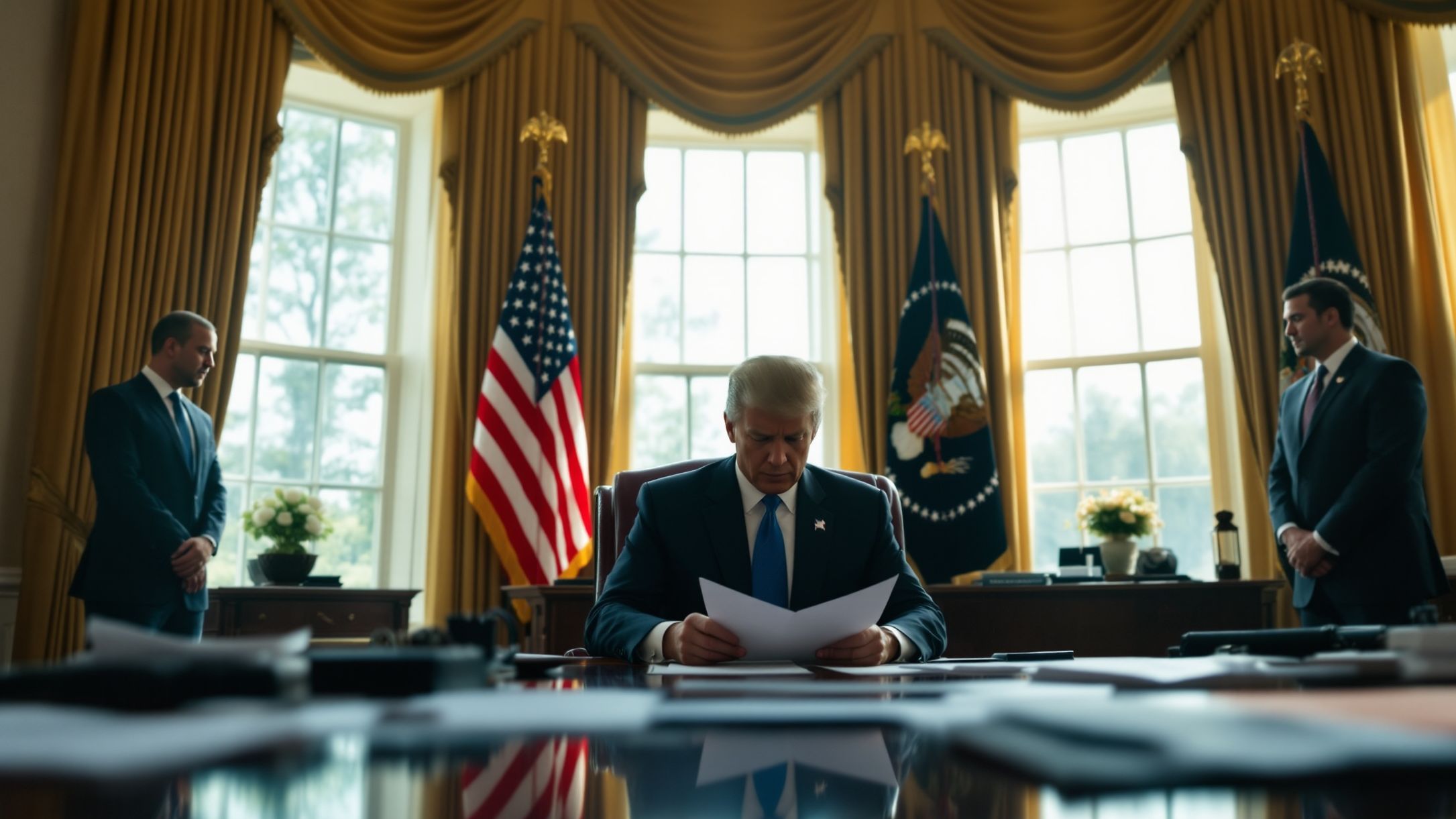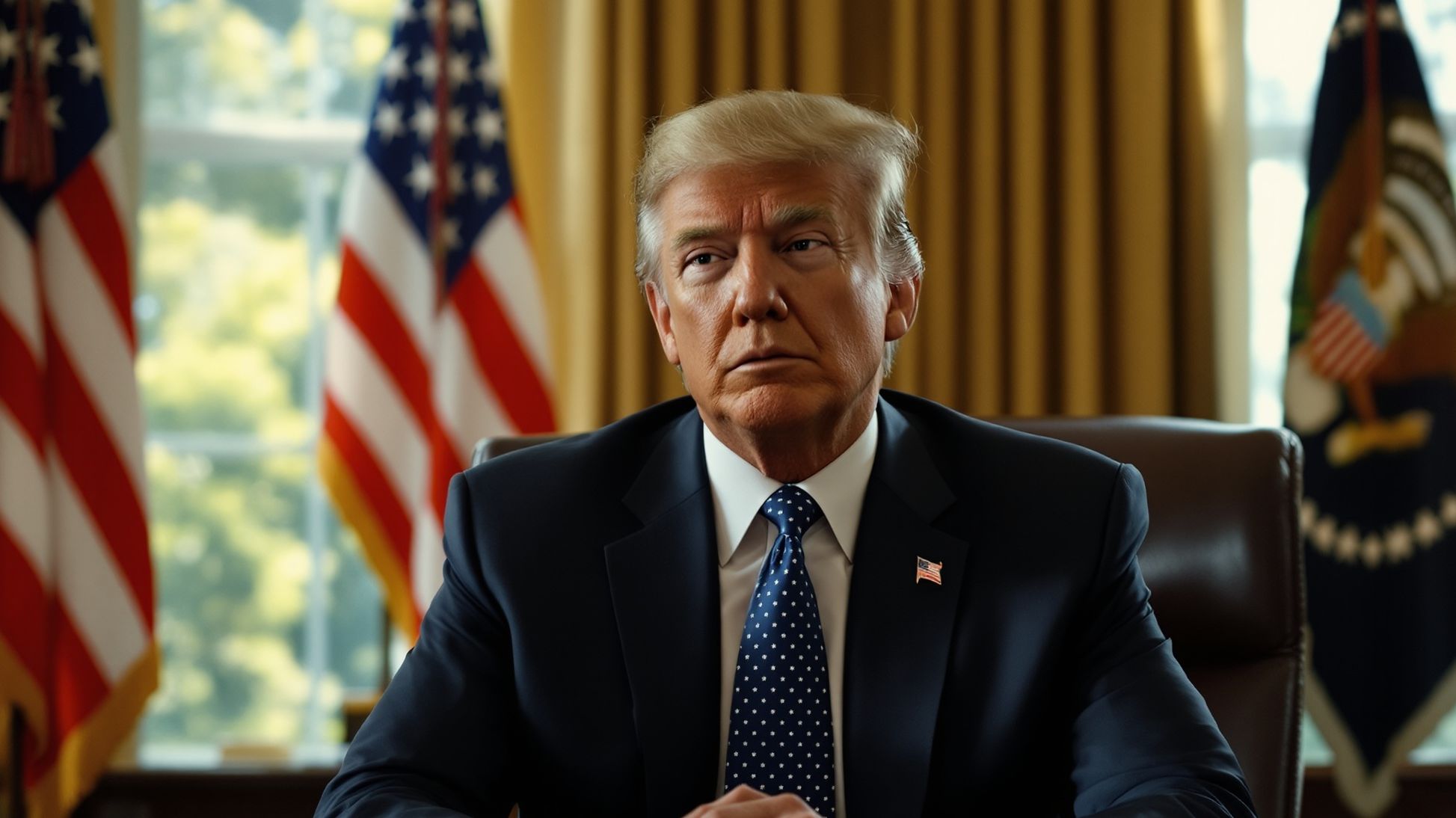
The President of the United States is often described as one of the most powerful leaders in the world, yet the true nature of that power is frequently misunderstood. Many people imagine the president as someone who can make any decision at any time, but the reality is far more structured, balanced, and complex. Presidential power comes from a combination of the Constitution, laws passed by Congress, and traditions that have developed over time. To truly understand what the president can and cannot do, it helps to break down these powers into clear, simple categories.
A: No, only Congress can pass laws, but the president can approve or reject them.
A: Not directly. They can influence it through policy, but many factors are outside their control.
A: It is a directive telling federal agencies how to carry out laws.
A: Congress declares war, but the president leads the military.
A: Some officials, yes—but others have legal protections.
A: No, they rely on agencies, advisers, and other branches.
A: No, court rulings must be followed.
A: Because the role combines leadership, visibility, and influence.
A: No, there is a two-term limit.
A: Many argue it’s the ability to lead, influence, and set direction rather than any single legal power.
Where Presidential Power Comes From
The powers of the president are rooted in the U.S. Constitution, specifically Article II, which establishes the executive branch of government. Rather than listing every detail, the Constitution outlines general responsibilities and grants authority in broad terms. This allows the role to grow and adapt as the country changes. At the same time, the Constitution places limits on presidential power by dividing authority among three branches of government: executive, legislative, and judicial. This system ensures that no single branch becomes too powerful and that each one can check the others when necessary.
Over time, presidential power has expanded beyond what the Founding Fathers may have imagined. Advances in technology, global responsibilities, and the increasing complexity of government have all contributed to a more active and influential presidency. Even so, the core powers remain tied to constitutional principles and legal boundaries.
Executive Power: Running the Government
One of the president’s most important roles is serving as the chief executive, which means leading the federal government and ensuring that laws are carried out properly. The United States government is made up of numerous departments and agencies, each responsible for different aspects of national life such as defense, education, healthcare, and transportation. The president oversees this entire system, setting priorities and guiding how policies are implemented.
To help manage this responsibility, the president appoints leaders to head these departments, forming what is known as the Cabinet. These individuals advise the president and help carry out policies across the country. In addition to the Cabinet, thousands of federal employees work under the executive branch, all ultimately connected to the president’s authority.
The president also has the power to issue executive orders, which are directives that guide how laws should be enforced. These orders allow the president to take action without needing Congress to pass a new law, but they must still be based on existing legal authority. Courts can review executive orders, and future presidents can change or reverse them, showing that even this power has limits.
Military Power: Commander in Chief
Another major power of the president is serving as commander in chief of the U.S. armed forces. This role places the president at the top of the military chain of command, giving them the authority to make critical decisions about national defense and military operations. The president can deploy troops, direct military strategy, and respond to threats against the country.
However, this power is not unlimited. The Constitution gives Congress the authority to declare war and control military funding, creating a shared responsibility between the branches of government. In practice, presidents often make quick decisions during emergencies, but long-term military actions typically involve cooperation with Congress.
Being commander in chief also involves working closely with military leaders and intelligence agencies. The president receives regular briefings on global threats and security issues, allowing them to make informed decisions that can affect both national and international stability.
Diplomatic Power: Leading Foreign Relations
The president plays a central role in shaping the United States’ relationships with other countries. As the nation’s chief diplomat, the president negotiates treaties, meets with foreign leaders, and represents the country on the global stage. This power is essential for maintaining alliances, resolving conflicts, and promoting national interests abroad.
Treaties negotiated by the president must be approved by the Senate, which ensures that international agreements reflect a broader consensus. In addition to formal treaties, the president engages in ongoing diplomacy through discussions, agreements, and strategic partnerships.
Foreign policy decisions can have far-reaching consequences, influencing trade, security, and global cooperation. The president’s ability to communicate effectively and build relationships with other nations is a key part of this role.
Legislative Power: Influencing Laws
Although the president is not a member of Congress, they play a significant role in the legislative process. One of the most visible powers is the ability to veto legislation. If Congress passes a bill that the president disagrees with, the president can reject it, sending it back for reconsideration. Congress can override a veto, but doing so requires a strong majority, making the veto a powerful tool.
The president also helps shape laws by proposing policies and working with lawmakers to turn ideas into legislation. Through speeches, public statements, and direct negotiations, the president influences what issues Congress focuses on and how laws are written.
Each year, the president delivers the State of the Union address, outlining priorities and goals for the nation. This speech not only informs Congress but also communicates directly with the public, helping to build support for key initiatives.
Judicial Power: Appointing Judges
One of the president’s most lasting powers is the ability to appoint federal judges, including justices of the Supreme Court. These appointments can shape the interpretation of laws for decades, influencing decisions on major issues such as civil rights, healthcare, and environmental policy.
Judicial appointments require Senate confirmation, ensuring that the process involves both the executive and legislative branches. This system helps maintain balance while allowing the president to leave a long-term impact on the legal system.
In addition to appointing judges, the president also has the power to grant pardons and commutations for federal crimes. This means they can forgive offenses or reduce sentences, offering a form of mercy within the justice system.
Economic Power: Guiding the Nation’s Finances
The president plays an important role in shaping the nation’s economic direction. While Congress controls spending and taxation, the president influences these decisions through policy proposals and budget recommendations. Each year, the president submits a federal budget outlining priorities and suggesting how money should be allocated.
Economic leadership also involves responding to financial challenges, promoting job growth, and addressing issues such as inflation and trade. The president works with economic advisors and agencies to develop strategies that affect both the national and global economy.
Through trade agreements and economic policies, the president can influence how the United States interacts with other countries, shaping markets and opportunities around the world.
The Power of Communication and Leadership
Not all presidential power comes from laws or the Constitution. One of the most important tools a president has is the ability to communicate and lead. By speaking directly to the public, the president can shape opinions, build support, and bring attention to important issues.
This informal power is often called the “bully pulpit,” a term used to describe the president’s unique platform to influence the nation. Through speeches, interviews, and public appearances, the president can guide conversations and inspire action.
Leadership also involves responding to crises, whether they are natural disasters, economic downturns, or national emergencies. In these moments, the president’s words and actions can provide reassurance and direction to the country.
Limits on Presidential Power
Despite the wide range of powers, the president does not have unlimited authority. The system of checks and balances ensures that other branches of government can limit presidential actions. Congress can pass laws, control funding, and investigate executive decisions, while the courts can review actions to ensure they follow the Constitution.
Public opinion is another important limit. Elections, media coverage, and citizen engagement all influence how much support a president has, which can affect their ability to carry out policies. A president who lacks public or political support may find it more difficult to achieve their goals.
These limits are not weaknesses but essential features of a democratic system. They ensure accountability and prevent any single leader from gaining too much control.
How Presidential Power Has Changed Over Time
The powers of the presidency have evolved significantly since the nation’s founding. Early presidents operated with smaller governments and fewer global responsibilities, while modern presidents manage complex systems and international relationships.
Advancements in technology have increased the speed and reach of presidential decisions. Today, presidents can communicate instantly with leaders around the world and respond quickly to emerging challenges. This has expanded the influence of the office while also increasing expectations.
Each president shapes the role in their own way, using their powers differently depending on their priorities and the challenges they face. This flexibility is one of the defining features of the presidency.
Why Understanding Presidential Powers Matters
Understanding the powers of the U.S. president is essential for anyone who wants to be informed about government and politics. These powers affect daily life in ways that may not always be obvious, from economic policies to national security decisions.
By knowing what the president can and cannot do, citizens are better equipped to evaluate leadership, participate in elections, and engage in meaningful discussions about the future of the country. The presidency is not just about one person; it is about how power is used within a system designed to serve the people.
Power With Responsibility
The powers of the U.S. president are both significant and carefully balanced. From leading the government and military to shaping laws and global relationships, the president plays a central role in the nation’s direction. At the same time, these powers are limited by the Constitution, the other branches of government, and the voice of the people. When viewed simply, presidential power is not about control without limits but about responsibility within a structured system. It is a role that requires judgment, leadership, and the ability to work within a framework designed to protect democracy while allowing the nation to move forward.