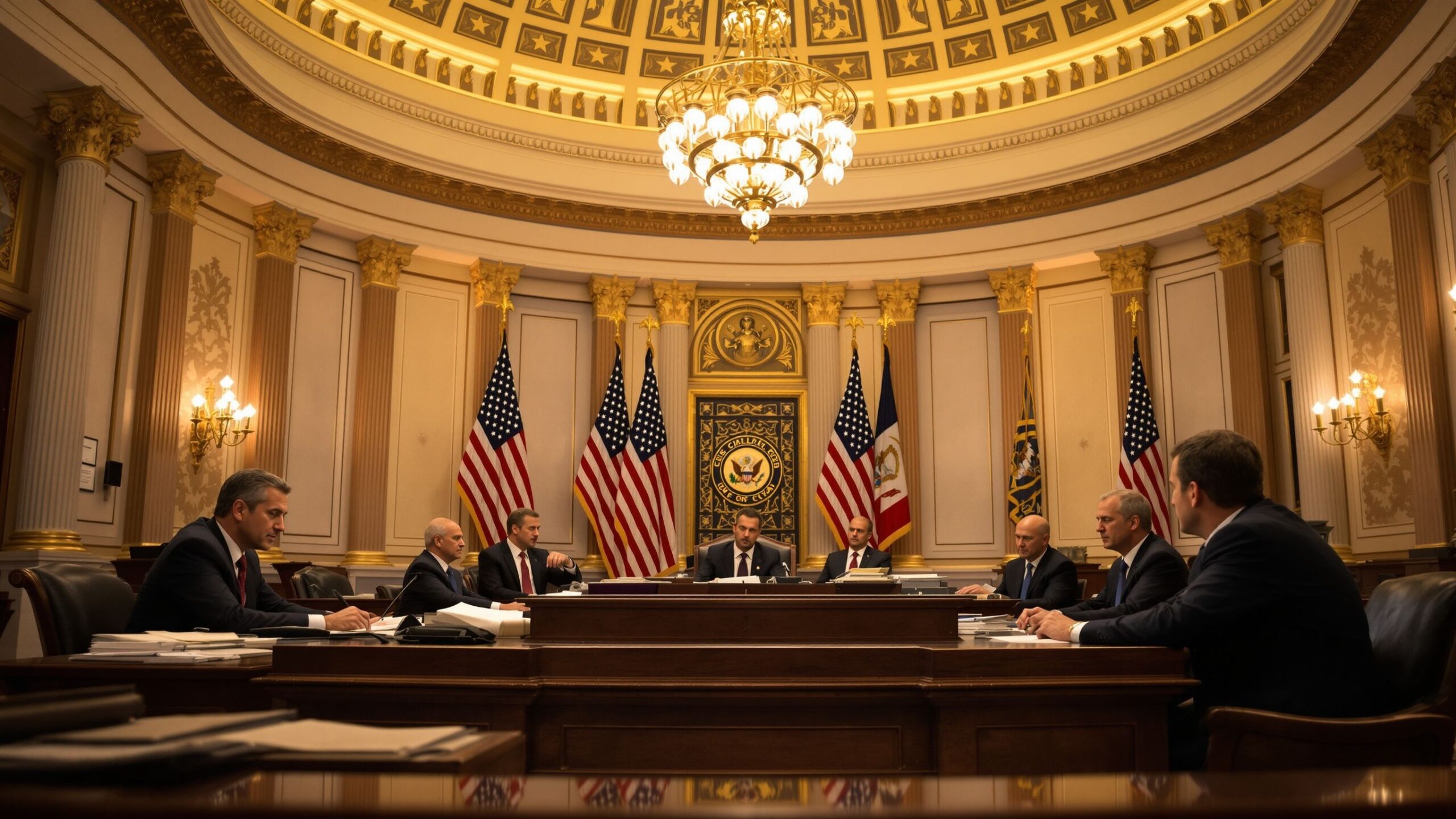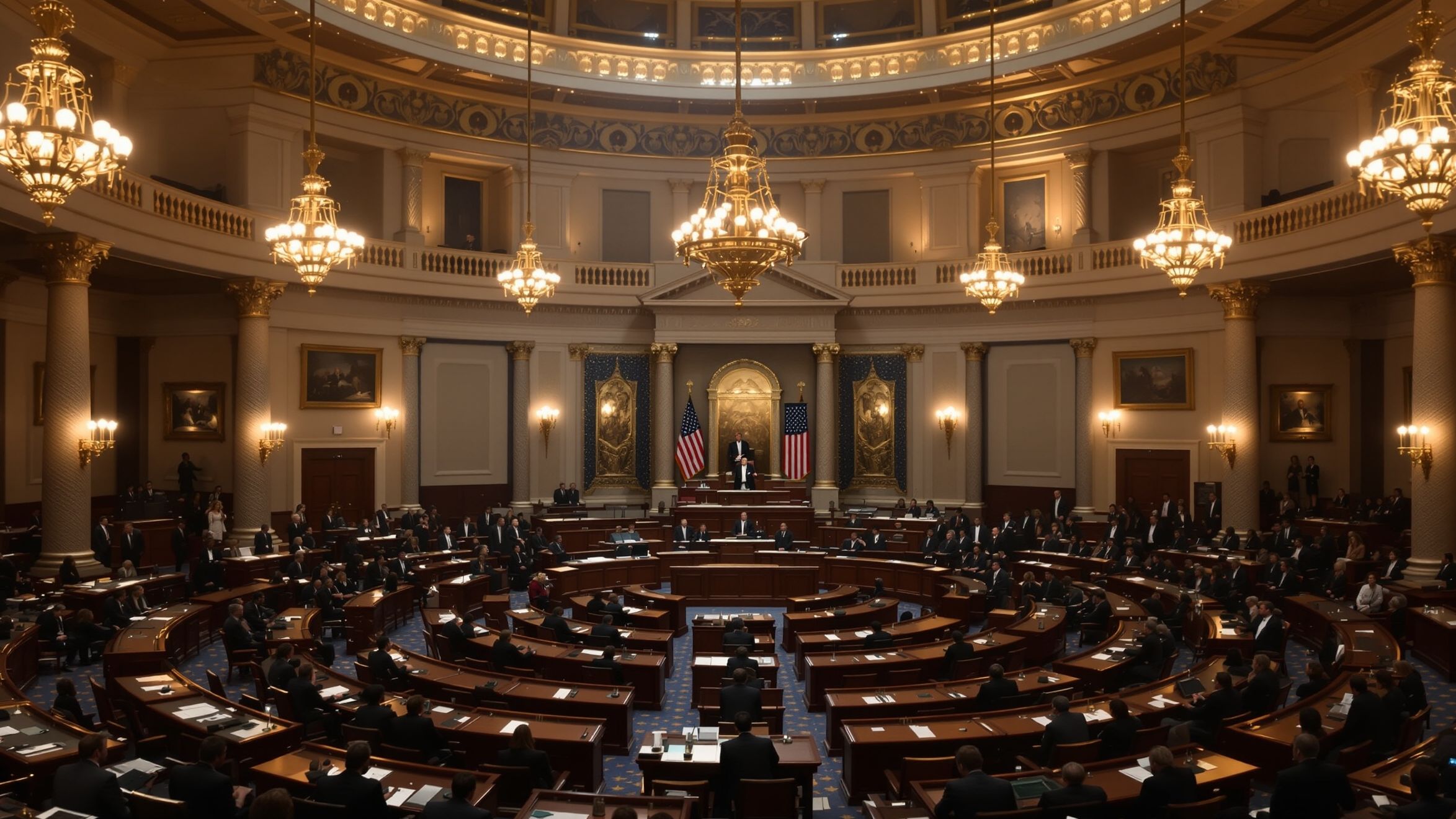
Congress is one of the most important parts of the United States government, yet many people are unsure what it actually does on a daily basis. While the president often receives the most attention, Congress plays a central role in shaping laws, controlling government spending, and representing the voices of the American people. Understanding Congress is essential to understanding how the country is run, because it is the branch of government closest to the people and the one responsible for turning ideas into laws.
A: The part of government that makes federal laws.
A: The House is based on population, while the Senate gives equal representation to each state.
A: It must pass both chambers and be signed by the president.
A: Yes, through impeachment and conviction.
A: To balance representation between large and small states.
A: A group of members who focus on specific topics and review bills.
A: A tactic used in the Senate to delay or block legislation.
A: Yes, it can override vetoes and limit actions through laws.
A: House members every 2 years, senators every 6 years.
A: Making laws and representing the people.
The Structure of Congress: Two Chambers, One Purpose
Congress is made up of two parts: the House of Representatives and the Senate. Together, they form the legislative branch of government, which is responsible for making laws. This two-chamber system is known as a bicameral legislature, and it was designed to balance the interests of states with large populations and those with smaller ones.
The House of Representatives is based on population, meaning states with more people have more representatives. Members of the House serve two-year terms, which keeps them closely connected to the needs and opinions of their constituents. The Senate, on the other hand, gives each state equal representation, with two senators per state. Senators serve six-year terms, providing stability and a longer-term perspective on national issues.
Both chambers must work together to pass laws, ensuring that legislation is carefully reviewed and debated before becoming official.
Making Laws: The Core Responsibility
The primary job of Congress is to create laws. This process begins when a member of Congress introduces a bill, which is a proposal for a new law. Bills can address a wide range of issues, from healthcare and education to national defense and environmental protection.
Once introduced, a bill is reviewed by committees made up of members who specialize in specific areas. These committees study the bill, hold hearings, and make changes before deciding whether it should move forward. If approved, the bill is debated and voted on by the full chamber.
For a bill to become law, it must pass both the House and the Senate in identical form. After that, it is sent to the president, who can sign it into law or veto it. If vetoed, Congress can still pass the law with enough support, showing how power is shared between branches.
Controlling the Nation’s Budget
Another major responsibility of Congress is controlling government spending. This is often referred to as the “power of the purse.” Congress decides how federal money is raised and how it is spent, which has a direct impact on programs, services, and national priorities.
Each year, Congress works on a federal budget that outlines spending for various areas such as defense, healthcare, education, and infrastructure. This process involves negotiations, debates, and compromises between lawmakers.
By controlling funding, Congress can influence the direction of government policy. Even if a law exists, it cannot be fully implemented without the necessary funding approved by Congress.
Representing the People
Members of Congress are elected to represent the interests of their constituents, meaning the people who live in their districts or states. This representation is a key part of how democracy functions in the United States.
Representatives and senators communicate with their constituents through town halls, meetings, and correspondence. They listen to concerns, advocate for local needs, and work to address issues that affect their communities.
Because House members face elections every two years, they are especially responsive to public opinion. Senators, with longer terms, often take a broader view while still representing their states’ interests.
Oversight and Accountability
Congress does more than just create laws; it also ensures that laws are properly carried out. This responsibility is known as oversight. Through hearings, investigations, and reports, Congress monitors the actions of the executive branch and federal agencies.
Oversight helps prevent misuse of power and ensures that government programs are effective and accountable. Committees may call witnesses, request documents, and examine how policies are being implemented.
This role is essential in maintaining a balance of power, as it allows Congress to check the actions of the president and other parts of the executive branch.
Declaring War and National Defense
Congress has the constitutional authority to declare war and oversee the nation’s military. While the president serves as commander in chief, Congress plays a critical role in shaping military policy and funding defense efforts.
In modern times, formal declarations of war are rare, but Congress still influences military actions through funding decisions and authorizations. This shared responsibility ensures that decisions about national security involve multiple perspectives.
By controlling military budgets and policies, Congress helps determine how the United States responds to global threats and maintains its defense capabilities.
Confirming Appointments and Treaties
The Senate has unique responsibilities that set it apart from the House of Representatives. One of these is confirming presidential appointments. This includes positions such as Cabinet members, federal judges, and ambassadors.
Before these individuals can take office, the Senate reviews their qualifications and votes on whether to approve them. This process ensures that key government positions are filled by individuals who meet certain standards.
The Senate also plays a role in foreign policy by approving treaties negotiated by the president. This requirement adds another layer of oversight and ensures that international agreements have broad support.
The Impeachment Process
Congress has the power to remove federal officials, including the president, through a process known as impeachment. This is a serious and rare action used when officials are accused of misconduct or abuse of power.
The House of Representatives is responsible for bringing charges, known as articles of impeachment. If the House votes to impeach, the process moves to the Senate, which conducts a trial. A two-thirds majority in the Senate is required to remove the official from office.
Impeachment is an important tool for maintaining accountability at the highest levels of government.
The Daily Work of Congress
While major laws and national debates often make headlines, much of Congress’s work happens behind the scenes. Members spend time in committee meetings, reviewing legislation, meeting with constituents, and collaborating with colleagues.
Congressional staff also play a key role, assisting with research, communication, and policy development. This teamwork allows members to manage the wide range of issues they must address.
The daily work of Congress involves balancing national priorities with local concerns, making it both challenging and essential to the functioning of government.
Checks and Balances in Action
Congress is a central part of the system of checks and balances that defines the U.S. government. By sharing power with the president and the courts, Congress helps ensure that no single branch becomes too dominant.
For example, Congress can pass laws, but the president can veto them. The courts can then review those laws to determine if they are constitutional. This system requires cooperation and compromise, which can slow down decision-making but also protects against misuse of power.
Understanding this balance is key to understanding how Congress fits into the larger government structure.
Why Congress Matters to Everyday Life
The actions of Congress affect nearly every aspect of daily life, from taxes and healthcare to education and transportation. Laws passed by Congress shape the rules and systems that people rely on every day.
Even decisions that seem distant, such as foreign policy or national defense, can have direct impacts on the economy, security, and global relationships. By representing the people and making laws, Congress plays a vital role in shaping the country’s future.
The Heart of American Lawmaking
Congress is often described as the heart of American democracy because it is where laws are debated, decisions are made, and the voices of the people are represented. While the process can be complex and sometimes slow, it is designed to ensure careful consideration and broad input.
By understanding what Congress actually does, citizens can better appreciate the importance of this institution and their own role in the democratic process. Congress is not just a distant body of lawmakers; it is a reflection of the people it serves and a key driver of the nation’s direction.