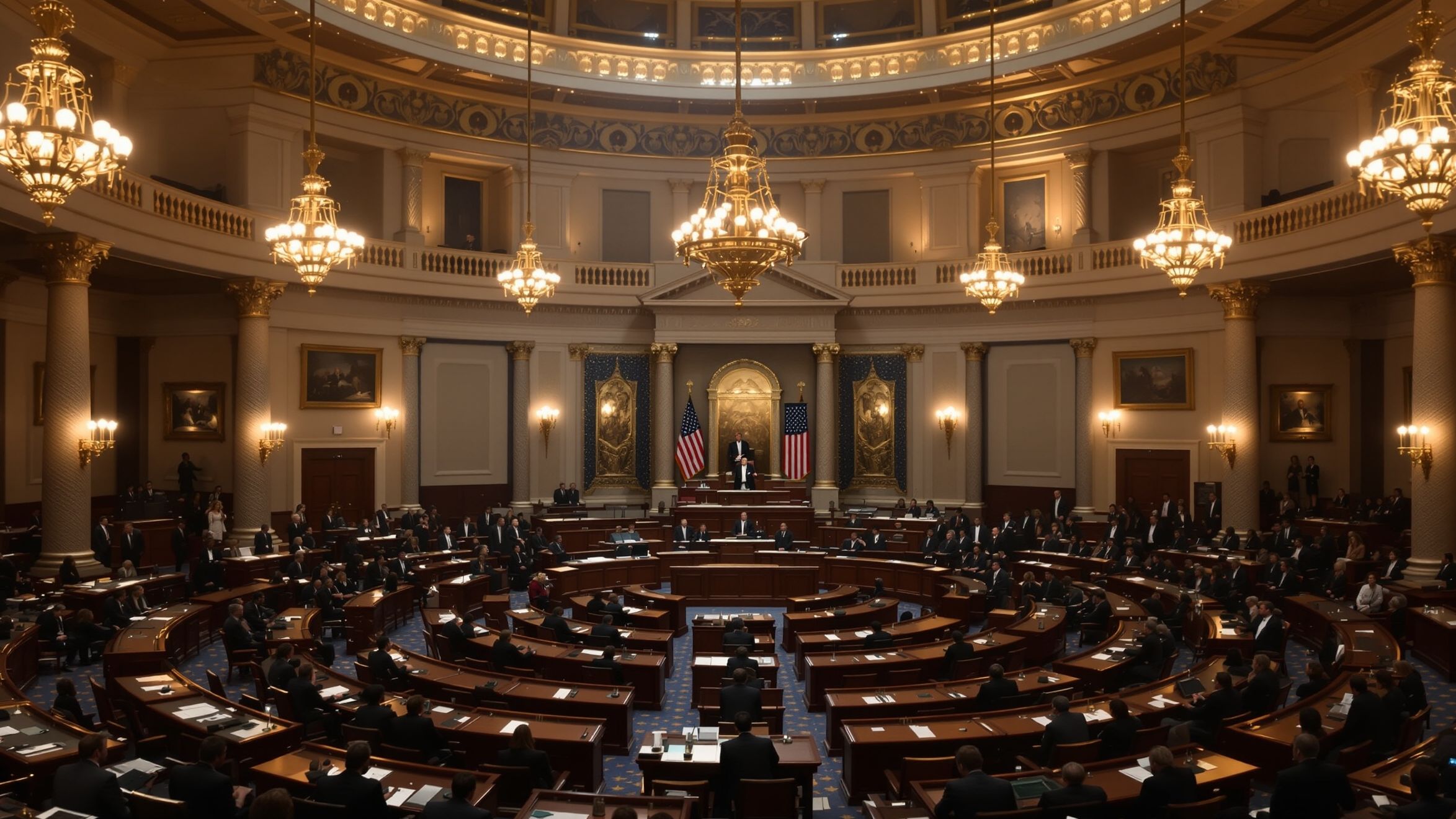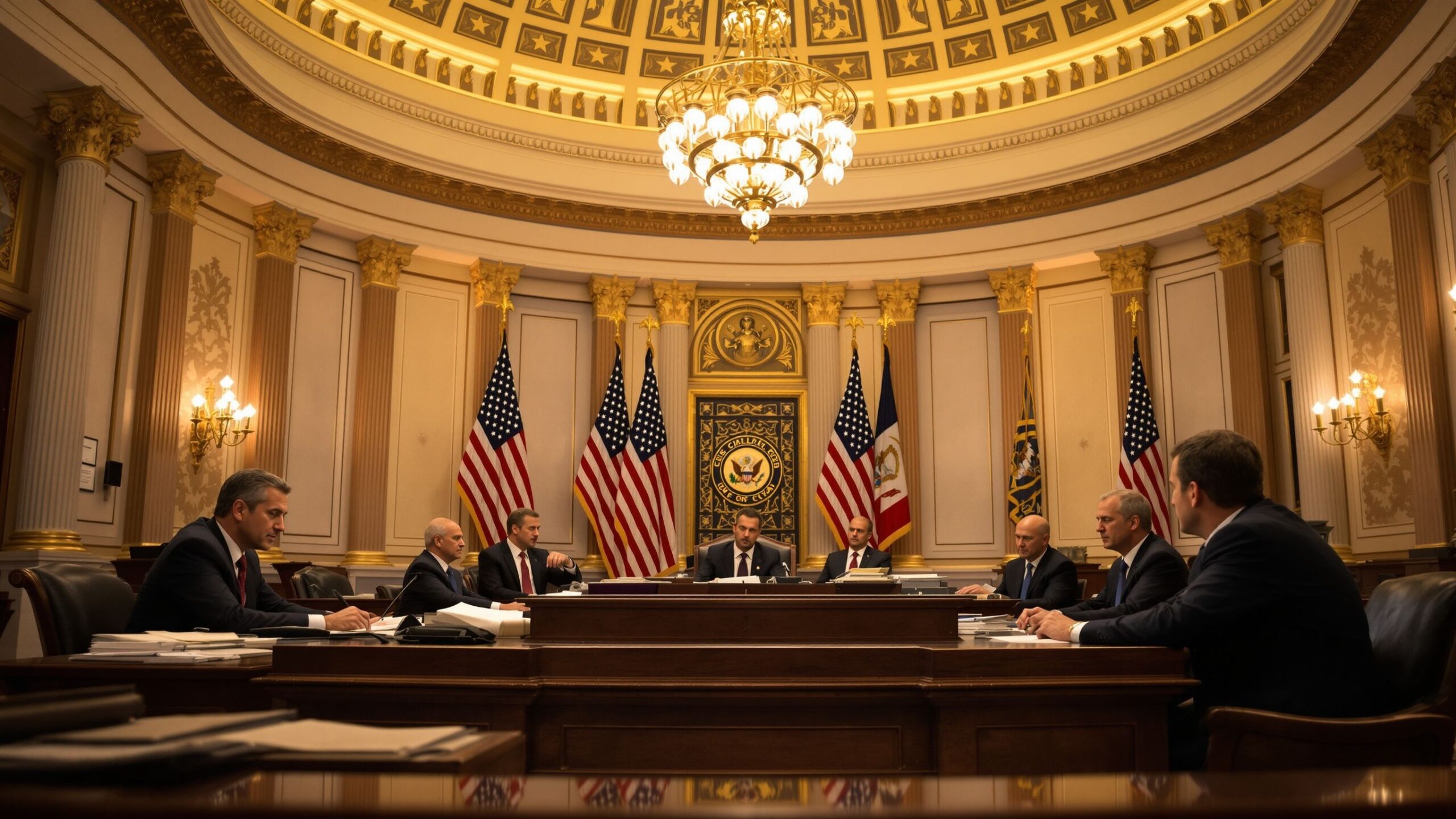
The journey from an idea to an official law in the United States is one of the most important processes in government. While it may seem complicated at first, the process is designed to ensure that every proposed law is carefully considered, debated, and reviewed before it affects the nation. This step-by-step system reflects the principles of democracy, balance, and accountability that define the U.S. government.
A: Only a member of the House or Senate can officially introduce a bill in Congress.
A: It is usually referred to a committee for review and possible action.
A: Because they study bills in detail and decide whether many of them move forward at all.
A: No, many bills never make it out of committee or never reach the floor.
A: Yes, both chambers must approve the same text before it can go to the president.
A: Lawmakers have to resolve the differences and vote again on a matching final version.
A: Yes, the president can veto it, though Congress can override that veto with enough votes.
A: It is when two-thirds of both the House and Senate vote to pass a bill despite the president’s veto.
A: No, real lawmaking often includes delays, negotiations, rewrites, and political strategy.
A: Because the system is designed to require debate, review, compromise, and checks on power.
Where Laws Begin: The Idea Stage
Every law starts as an idea. This idea can come from many sources, including members of Congress, the president, interest groups, or everyday citizens. Often, these ideas are responses to problems or needs within society, such as improving education, strengthening national security, or addressing economic concerns.
Before becoming a formal proposal, the idea is usually researched and discussed. Lawmakers work with advisors, experts, and stakeholders to shape the concept into something that can be turned into legislation. This early stage is crucial because it sets the foundation for everything that follows.
Step 1: Introducing a Bill
Once an idea is ready, it is written into a formal proposal called a bill. A member of Congress—either from the House of Representatives or the Senate—introduces the bill. If it begins in the House, it is assigned a number starting with “H.R.” If it begins in the Senate, it receives an “S.” number.
The bill is then officially entered into the legislative process. At this point, it is simply a proposal and has no legal effect. However, introduction is the first official step toward becoming a law.
Step 2: Committee Review
After a bill is introduced, it is sent to a committee that specializes in the subject of the bill. Committees are made up of members of Congress who focus on specific areas such as finance, healthcare, or defense. This allows for a more detailed examination of the bill.
The committee studies the bill, holds hearings, and gathers input from experts, government officials, and the public. Members may suggest changes, known as amendments, to improve or adjust the proposal.
Not all bills make it past this stage. Many are set aside or rejected in committee, which means they never move forward. This step acts as a filter, ensuring that only well-considered proposals continue.
Step 3: Debate and Voting in One Chamber
If a committee approves the bill, it moves to the floor of the House or Senate for debate. During this stage, members discuss the bill’s merits, raise concerns, and propose additional amendments.
The rules for debate differ between the two chambers. The House typically has stricter time limits, allowing for faster decisions, while the Senate allows for more extended discussion.
After debate, the chamber votes on the bill. If it passes, it moves on to the other chamber. If it fails, the bill does not proceed any further.
Step 4: Review by the Other Chamber
Once a bill passes one chamber, it is sent to the other chamber of Congress, where the process repeats. The bill is reviewed by committees, debated, and voted on again.
The second chamber may approve the bill as it is, reject it, or make changes. If changes are made, both chambers must agree on the final version. This often involves negotiation and compromise to ensure that the bill satisfies both sides.
This step is essential because it ensures that legislation is examined from multiple perspectives before becoming law.
Step 5: Resolving Differences
If the House and Senate pass different versions of the same bill, a conference committee is formed to resolve the differences. This committee includes members from both chambers who work together to create a final version.
The revised bill is then sent back to both the House and Senate for approval. Both must agree on this final version before it can move forward.
This stage highlights the importance of cooperation in the legislative process. It ensures that laws reflect a broader consensus rather than the perspective of just one chamber.
Step 6: The President’s Decision
After both chambers of Congress approve the bill, it is sent to the president. The president has several options at this stage.
The president can sign the bill, making it a law. If the president disagrees with the bill, they can veto it, sending it back to Congress with objections. Congress can then attempt to override the veto with a two-thirds majority vote in both chambers.
There is also a situation known as a pocket veto. If the president takes no action on a bill for ten days while Congress is in session, the bill becomes law automatically. However, if Congress adjourns during that time, the bill does not become law.
Step 7: Becoming Law
Once a bill is signed by the president or passed over a veto, it officially becomes law. At this point, it is assigned a public law number and becomes part of the legal framework of the United States.
Federal agencies are then responsible for implementing and enforcing the new law. This may involve creating regulations, setting guidelines, and ensuring compliance.
The process does not end with the bill becoming law. Courts may interpret the law, and future legislation may amend or replace it over time.
Why the Process Takes Time
The process of turning a bill into a law can take weeks, months, or even years. While this may seem slow, it is intentional. The system is designed to prevent rushed decisions and ensure that laws are carefully reviewed.
Each step provides an opportunity for discussion, revision, and input from different perspectives. This helps create laws that are more balanced and effective.
The time and effort involved reflect the importance of legislation and its impact on society.
Checks and Balances in Lawmaking
The process of making laws is a clear example of checks and balances in action. Congress creates and passes bills, the president approves or vetoes them, and the courts can interpret their meaning.
This system ensures that no single branch of government has complete control over the lawmaking process. It promotes accountability and protects against misuse of power.
Understanding this system helps explain why laws require cooperation and agreement among different parts of government.
Common Misunderstandings About the Process
One common misconception is that passing a law is quick and straightforward. In reality, most bills do not become law, and many never make it past the committee stage.
Another misunderstanding is that the president alone creates laws. While the president plays an important role, laws must go through Congress before reaching the White House.
These misconceptions can make the process seem confusing, but breaking it down step by step makes it easier to understand.
From Idea to Impact
The journey of a bill becoming a law is a detailed and carefully structured process that reflects the values of democracy and accountability. From the initial idea to final approval, each step ensures that laws are thoughtfully created and broadly supported. By understanding how this process works, citizens can better appreciate the effort behind every law and the importance of participation in the democratic system. Laws shape the nation, and the process behind them is what ensures they are fair, effective, and representative of the people they serve.