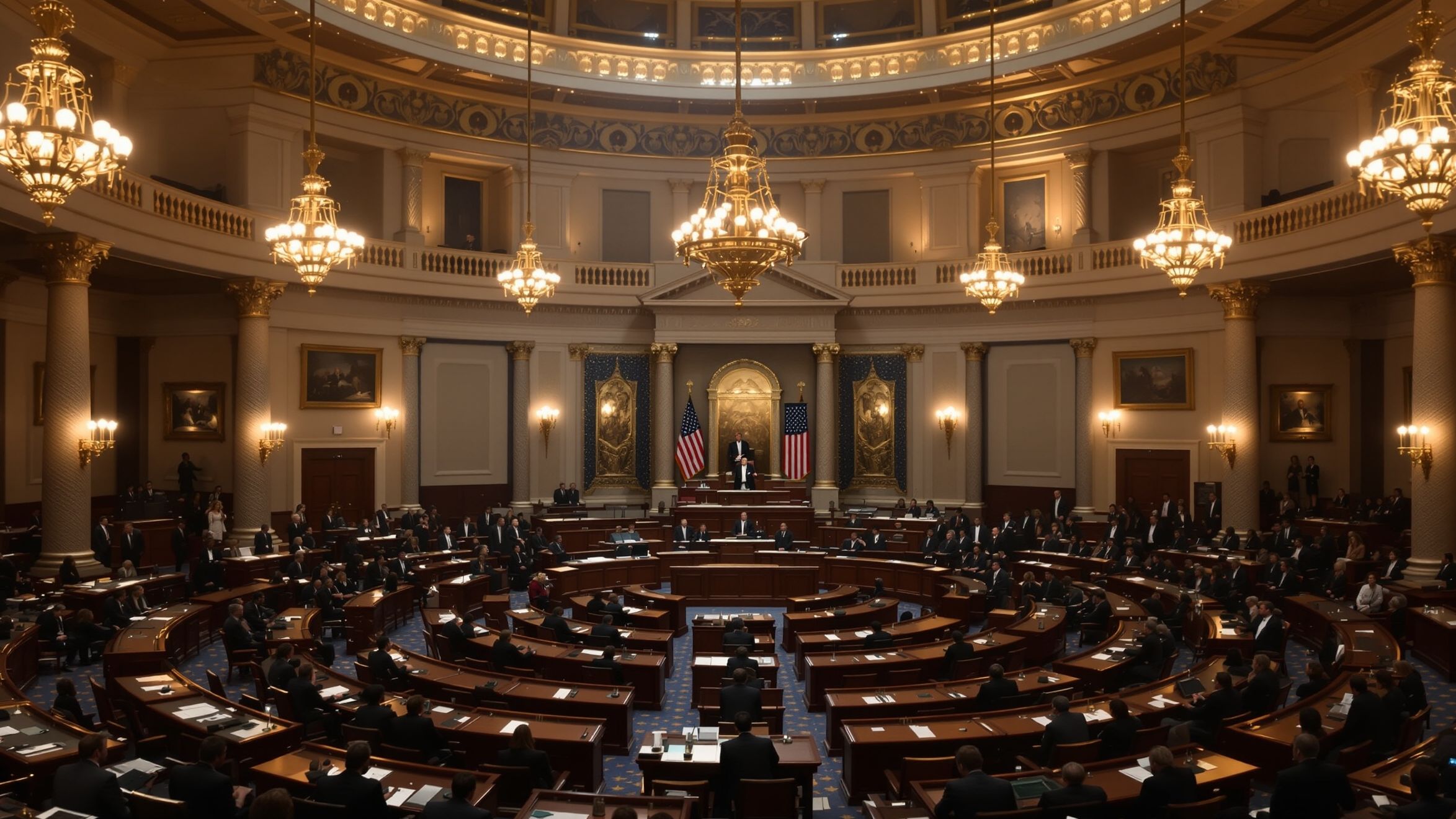
Understanding the United States Congress can feel overwhelming at first, especially when trying to distinguish between the House of Representatives and the Senate. Both chambers are essential to how laws are created, debated, and passed, yet they operate in different ways with distinct roles and responsibilities. When broken down simply, Congress becomes much easier to understand. At its core, it is a system designed to balance representation, ensure fairness, and prevent any one group from holding too much power.
A: To balance representation between population-based and state-based systems.
A: Neither—both must agree to pass laws.
A: To keep representatives closely tied to voters.
A: To provide stability and long-term thinking.
A: A Senate tactic to delay or block legislation through extended debate.
A: Yes, both chambers must agree on legislation.
A: The Speaker of the House.
A: The Vice President and Senate leadership.
A: They share lawmaking duties but have different roles and powers.
A: To provide a check on presidential power.
Why Congress Has Two Chambers
The United States uses a bicameral legislature, meaning Congress is divided into two parts: the House of Representatives and the Senate. This structure was created during the Constitutional Convention as a compromise between large and small states. Larger states wanted representation based on population, while smaller states wanted equal representation regardless of size.
The solution was to create two chambers. The House of Representatives reflects population size, giving more populous states greater influence. The Senate, on the other hand, gives each state equal representation with two senators each. This dual system ensures that both the people and the states themselves have a voice in the legislative process.
The House of Representatives: Closer to the People
The House of Representatives is designed to be the chamber most directly connected to the public. With 435 members, each representing a specific district, the House reflects the population distribution of the country. Representatives serve two-year terms, which means they must frequently run for reelection and stay closely attuned to the concerns of their constituents.
Because of its size and structure, the House tends to move more quickly than the Senate when it comes to passing legislation. Rules for debate are more controlled, and decisions can be made more efficiently. This makes the House a place where ideas often originate and where urgent issues can be addressed with speed.
The House also has unique powers that set it apart. One of its most important roles is initiating revenue bills, meaning any legislation related to taxes must begin in the House. Additionally, the House holds the power to impeach federal officials, including the president, by bringing formal charges against them.
The Senate: Stability and Deliberation
The Senate is smaller, with 100 members—two from each state—and it operates differently from the House. Senators serve six-year terms, which provides more stability and allows them to focus on long-term issues rather than constant reelection campaigns.
Because the Senate is smaller, it encourages more open debate and individual influence. Senators often have greater flexibility to speak at length and shape legislation. This slower, more deliberate approach is designed to ensure careful consideration of laws before they are passed.
The Senate also has unique responsibilities. It confirms presidential appointments, including Cabinet members, federal judges, and Supreme Court justices. In addition, the Senate must approve treaties negotiated by the president, giving it a key role in foreign policy.
When it comes to impeachment, the Senate acts as the court that conducts trials. If the House votes to impeach an official, the Senate determines whether that person should be removed from office.
How the House and Senate Work Together
Although the House and Senate have different structures and responsibilities, they must work together to pass laws. A bill can start in either chamber, except for revenue bills, but it must be approved by both in identical form before it can be sent to the president.
This often requires negotiation and compromise. Differences between House and Senate versions of a bill are resolved through discussions and revisions until both sides agree. This process can take time, but it ensures that multiple perspectives are considered.
The requirement for both chambers to agree is a key part of the system of checks and balances. It prevents laws from being passed too quickly or without sufficient review, encouraging thoughtful decision-making.
Key Differences at a Glance
The differences between the House and Senate become clearer when looking at how they function in practice. The House is larger, faster-paced, and more directly tied to the population. It focuses on immediate concerns and reflects the changing opinions of voters.
The Senate is smaller, slower, and more stable. It emphasizes long-term thinking and careful debate, providing a counterbalance to the House’s speed. Together, these differences create a system that combines responsiveness with stability.
Why These Differences Matter
The distinction between the House and Senate is not just about structure; it shapes how laws are made and how government operates. The House ensures that the voices of the people are heard quickly and clearly, while the Senate provides a space for deeper analysis and broader consideration.
This balance helps prevent extreme or rushed decisions. It also encourages collaboration and compromise, which are essential in a diverse and complex society.
By having two chambers with different strengths, Congress is better equipped to handle a wide range of issues and represent the interests of both individuals and states.
The Role of Committees in Both Chambers
Both the House and Senate rely heavily on committees to manage their work. Committees are smaller groups of lawmakers who focus on specific areas such as finance, defense, or education. They review bills, hold hearings, and make recommendations before legislation reaches the full chamber.
Committees play a crucial role in shaping laws, as they allow for detailed examination and expert input. While both chambers use committees, their structures and procedures may differ slightly, reflecting the unique nature of each body.
Through committees, members of Congress can specialize in certain topics and develop expertise that contributes to more informed decision-making.
Checks, Balances, and Shared Power
The relationship between the House and Senate is part of a larger system of checks and balances that defines the U.S. government. By requiring both chambers to agree on legislation, the system ensures that no single group can dominate the lawmaking process.
This shared power extends beyond Congress. The president can veto laws, and the courts can review them, creating a network of accountability. Within Congress itself, the differences between the House and Senate serve as an internal check, balancing speed with caution.
Understanding this system helps explain why passing laws can sometimes be slow or difficult. The process is designed to require agreement and prevent hasty decisions.
How Congress Impacts Everyday Life
The work of Congress affects nearly every aspect of daily life, from taxes and healthcare to education and infrastructure. Laws passed by Congress determine how resources are allocated, what rules are enforced, and how the country addresses challenges.
The House and Senate each contribute to these outcomes in different ways. By representing both the population and the states, Congress ensures that a wide range of perspectives are considered when making decisions.
Even though the process can seem distant, it directly shapes the opportunities and conditions people experience in their everyday lives.
Two Chambers, One Mission
The House of Representatives and the Senate may operate differently, but they share the same goal: to create laws that serve the nation. Their differences are not flaws but intentional features designed to balance representation, encourage debate, and promote thoughtful decision-making. By understanding how the House and Senate work together and what sets them apart, it becomes easier to see how Congress functions as a whole. This knowledge not only clarifies the legislative process but also highlights the importance of participation in a system built to reflect the voices of the people and the states alike.