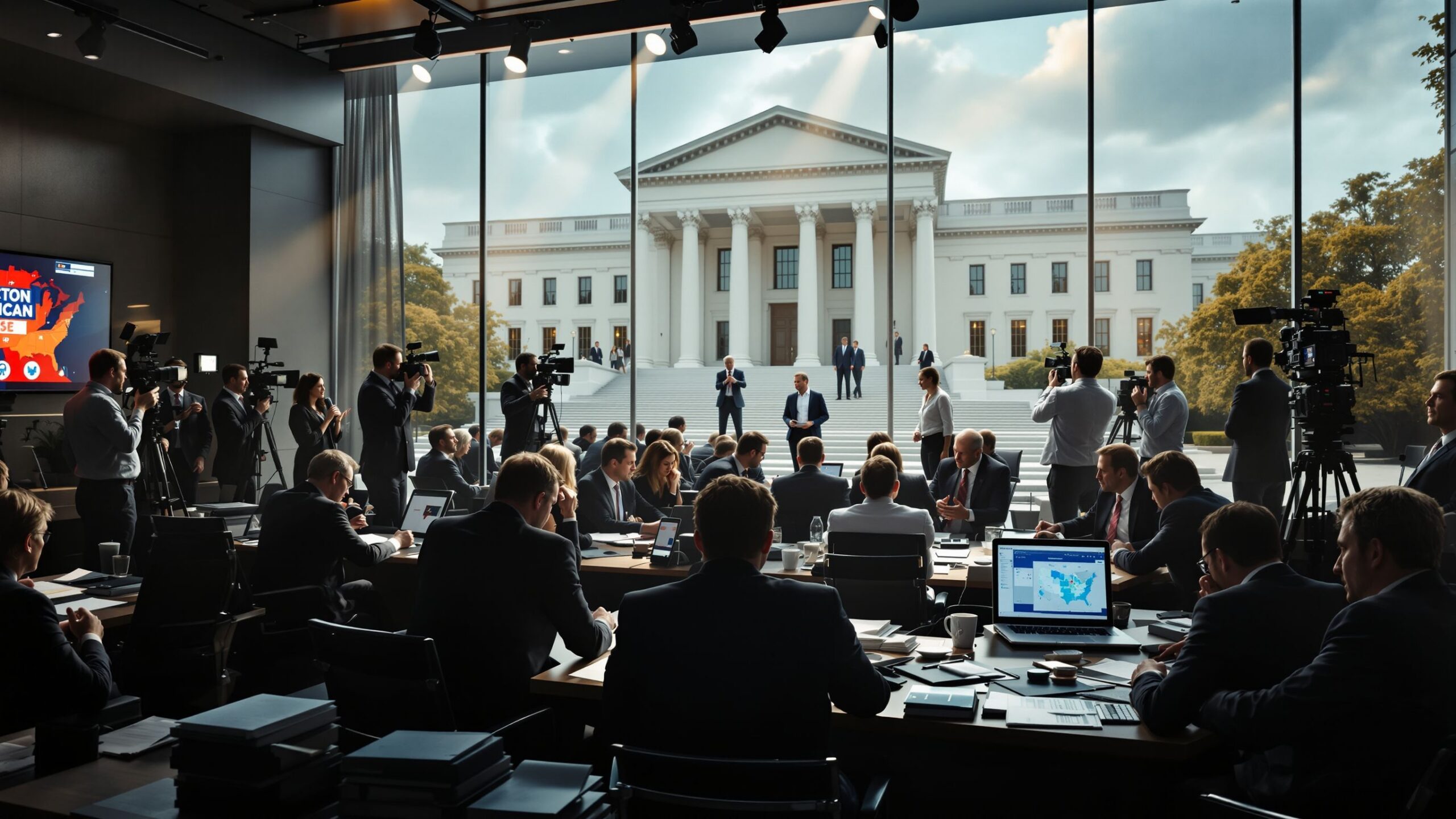
Throughout history, political scandals have altered governments, ended careers, influenced elections, and changed the relationship between citizens and their leaders. Democracies and authoritarian governments alike have experienced moments when allegations of corruption, abuse of power, financial misconduct, espionage, or political cover-ups captured public attention and reshaped national politics. Political scandals often begin with seemingly small events—a leaked document, a suspicious financial transaction, an investigative news report, or a whistleblower’s testimony. As investigations unfold, they sometimes expose much larger problems involving government officials, political parties, or powerful institutions. In many cases, these scandals have led to criminal investigations, resignations, impeachments, legal reforms, and lasting changes to government oversight. While scandals differ greatly in their causes and consequences, they all demonstrate the importance of transparency, accountability, independent journalism, and the rule of law. They also remind citizens why democratic institutions rely on checks and balances designed to prevent abuses of public trust. This guide explores some of the biggest political scandals in history, examining what happened, why these events became so significant, and how they influenced governments around the world.
A: A political scandal is a major controversy involving alleged misconduct or unethical behavior by public officials.
A: No. Some involve alleged ethical violations, while others lead to criminal investigations or convictions.
A: Depending on the jurisdiction, investigations may involve oversight bodies, law enforcement, prosecutors, or legislative committees.
A: They help illustrate how governments handle accountability, oversight, and public trust.
A: Journalists often investigate, report, and explain important public-interest information.
A: Yes. Public controversies sometimes influence voter opinions and campaign outcomes.
A: A whistleblower is someone who reports suspected wrongdoing within an organization or government.
A: Outcomes may include reports, resignations, policy reforms, legal action, or no further action depending on the findings.
A: Yes. Many countries have adopted stronger ethics, transparency, and oversight laws after major scandals.
A: Accountability helps maintain public confidence and encourages officials to follow ethical and legal standards.
What Is a Political Scandal?
A political scandal occurs when public officials, government institutions, or political organizations become involved in actions that violate laws, ethical standards, or public expectations. These actions may involve corruption, abuse of authority, financial misconduct, election-related wrongdoing, bribery, espionage, or attempts to conceal improper behavior.
Not every political controversy becomes a scandal. Generally, scandals involve credible evidence, widespread public attention, official investigations, or significant political consequences.
Political scandals often emerge through investigative journalism, independent oversight agencies, court proceedings, whistleblowers, legislative inquiries, or law enforcement investigations.
Their impact extends beyond individual leaders because scandals can influence public confidence in government as a whole.
Why Political Scandals Matter
Political scandals matter because governments depend on public trust.
Citizens expect elected officials and public servants to act responsibly, follow the law, and use public resources appropriately. When serious misconduct occurs, confidence in government institutions may decline.
Scandals also test democratic systems. Independent courts, investigative journalists, legislatures, ethics commissions, and law enforcement agencies often play important roles in determining what happened and whether accountability follows.
Many political reforms—including stronger ethics rules, campaign finance regulations, transparency requirements, and independent oversight—have resulted from past scandals.
Although scandals can undermine confidence temporarily, investigations and reforms may ultimately strengthen democratic institutions.
The Watergate Scandal
Few political scandals have become as internationally recognized as the Watergate scandal in the United States during the early 1970s.
The scandal began after individuals connected to a political campaign were arrested during a break-in at the headquarters of a rival political party inside the Watergate office complex. As journalists, investigators, and congressional committees examined the incident, evidence emerged of broader efforts to conceal information and obstruct investigations.
Extensive hearings, court proceedings, and public disclosures eventually revealed significant abuses of power within the executive branch.
Facing the likelihood of impeachment and removal from office, the president resigned in 1974, marking the first resignation by a U.S. president.
Watergate became a defining example of investigative journalism, constitutional accountability, and the importance of independent institutions.
The Profumo Affair
The Profumo Affair became one of the most significant political scandals in modern British history.
The controversy involved senior government official John Profumo, whose personal conduct and subsequent misleading statements to Parliament created a major political crisis during the early 1960s.
The scandal attracted enormous media attention because it involved national security concerns, public trust, and questions about honesty within government.
Profumo eventually resigned, and the affair damaged public confidence in the government of the time.
The incident demonstrated how personal misconduct combined with misleading official statements can have significant political consequences.
The Teapot Dome Scandal
The Teapot Dome scandal remains one of the most famous corruption cases in American political history.
During the 1920s, investigations revealed that valuable government oil reserves had been secretly leased to private companies without competitive bidding in exchange for personal financial benefits received by a senior government official.
Congressional investigations uncovered evidence of bribery and abuse of public office, leading to criminal convictions and widespread public criticism.
The scandal prompted important discussions about ethics, government contracting, and oversight of public resources.
For decades, Teapot Dome became synonymous with political corruption in the United States.
The Panama Papers
The Panama Papers represented one of the largest investigative journalism projects ever conducted.
Millions of confidential financial documents from an international law firm were leaked to journalists, revealing how wealthy individuals, corporations, and some public officials around the world used offshore financial structures.
It is important to note that offshore companies are not inherently illegal. However, the investigation raised questions in some cases about financial transparency, tax compliance, and potential conflicts of interest.
The disclosures led to investigations, resignations, legal proceedings, and policy discussions in numerous countries.
The Panama Papers demonstrated the growing importance of international investigative journalism in examining complex global financial networks.
The Iran-Contra Affair
The Iran-Contra Affair became a major political controversy in the United States during the 1980s.
The affair involved secret government activities concerning arms sales and the diversion of funds to support armed groups despite congressional restrictions.
Congressional hearings and independent investigations examined how decisions were made, who authorized various actions, and whether laws had been violated.
The controversy generated extensive public debate regarding executive authority, congressional oversight, and national security decision-making.
Iran-Contra remains one of the most studied political controversies involving foreign policy and constitutional accountability.
The Lockheed Bribery Scandals
During the 1970s, investigations revealed that executives associated with the aerospace company Lockheed Corporation had made payments to influential individuals in multiple countries to help secure aircraft contracts.
The disclosures led to investigations, resignations, and political consequences in several nations.
The scandal also influenced corporate governance reforms and contributed to stronger anti-corruption legislation in various jurisdictions.
Its international scope highlighted the challenges governments face when investigating corruption across national borders.
The Cash-for-Honours Controversy
The Cash-for-Honours controversy generated significant political attention in the United Kingdom during the 2000s.
Investigators examined whether political donations had been connected to recommendations for honorary appointments.
Although lengthy investigations attracted extensive public interest, no criminal charges ultimately resulted from the inquiry.
Nevertheless, the controversy prompted widespread discussion regarding political fundraising, transparency, and public confidence in government appointments.
The case illustrates how political controversies can influence public debate even when criminal wrongdoing is not established.
Operation Car Wash
Operation Car Wash began as a money-laundering investigation but expanded into one of the largest corruption investigations in modern history.
Authorities uncovered extensive allegations involving politicians, executives, construction companies, and state-owned enterprises across several countries.
Numerous individuals faced investigations, prosecutions, convictions, or other legal proceedings, while political leaders across Latin America experienced significant consequences.
The investigation demonstrated both the complexity of modern corruption cases and the challenges of conducting large-scale international legal investigations.
Its political impact extended far beyond the country where it originated.
The Expenses Scandal in the United Kingdom
Public confidence in government was significantly affected after media reports revealed questionable expense claims submitted by numerous members of Parliament.
The disclosures showed that some expense claims involved items widely viewed by the public as inappropriate uses of taxpayer funds under existing rules.
Although many claims complied with then-current regulations, public outrage led to resignations, repayments, criminal prosecutions in certain cases, and major reforms to parliamentary expense oversight.
The scandal demonstrated how transparency can drive institutional reform even when legal standards evolve over time.
Common Types of Political Scandals
Although each scandal is unique, many involve similar categories of misconduct.
Corruption remains one of the most common forms, involving bribery, kickbacks, or improper financial benefits connected to public office.
Financial scandals may involve campaign finance violations, misuse of public funds, conflicts of interest, or fraudulent accounting.
Abuse of power includes using government authority improperly for personal or political purposes.
Election-related scandals sometimes involve illegal campaign activities, interference, or violations of election laws.
Other scandals concern national security, espionage, ethics violations, or attempts to obstruct official investigations.
Understanding these categories helps explain why similar controversies emerge across different countries and historical periods.
The Role of Investigative Journalism
Many major political scandals became public because of investigative journalism.
Journalists often spend months or years reviewing documents, interviewing sources, verifying evidence, and examining government records before publishing major investigations.
Independent reporting has uncovered corruption, financial misconduct, abuse of authority, and other forms of political wrongdoing around the world.
Responsible journalism also requires careful verification to distinguish factual reporting from rumor or speculation.
Investigative reporting continues serving as an important component of democratic accountability.
How Political Scandals Change Governments
Political scandals frequently lead to consequences extending far beyond the individuals directly involved.
Governments may introduce ethics reforms, strengthen oversight agencies, revise campaign finance laws, expand transparency requirements, or improve financial disclosure systems.
Some scandals result in resignations, elections, criminal prosecutions, legislative inquiries, constitutional debates, or administrative reforms.
Public expectations regarding ethics and accountability often increase following major scandals.
In many cases, institutional changes outlast the immediate political controversy.
Lessons From History
Historical political scandals reveal several recurring lessons.
Transparency helps discourage misconduct by increasing public oversight.
Independent courts, legislatures, journalists, and law enforcement agencies play important roles in maintaining accountability.
Strong legal institutions allow allegations to be investigated according to evidence rather than political preference.
Public trust is difficult to earn and easy to lose, making ethical leadership essential for effective government.
History also shows that democratic institutions often become stronger after addressing significant political challenges.
The Future of Political Accountability
Technology continues transforming political oversight.
Digital records, open government initiatives, financial disclosure systems, international investigative collaborations, and online public access to information have expanded opportunities for accountability.
At the same time, governments face new challenges involving cybersecurity, misinformation, artificial intelligence, digital privacy, and increasingly complex international financial systems.
Future political accountability will likely combine traditional oversight institutions with emerging technologies that improve transparency and public access to information.
Conclusion
The biggest political scandals in history have shaped governments, influenced elections, transformed public expectations, and prompted important legal and institutional reforms. From corruption investigations and financial misconduct to abuses of power and government cover-ups, these events demonstrate why transparency, accountability, and independent oversight remain essential components of democratic government.
Studying political scandals is not simply about examining controversy—it is about understanding how governments respond when public trust is challenged. Many of history’s most significant reforms emerged after serious political crises exposed weaknesses in oversight and accountability. By learning from these events, citizens gain a deeper appreciation for the institutions, legal safeguards, and democratic principles that help governments remain accountable to the people they serve.